
Last updated November 22, 2026
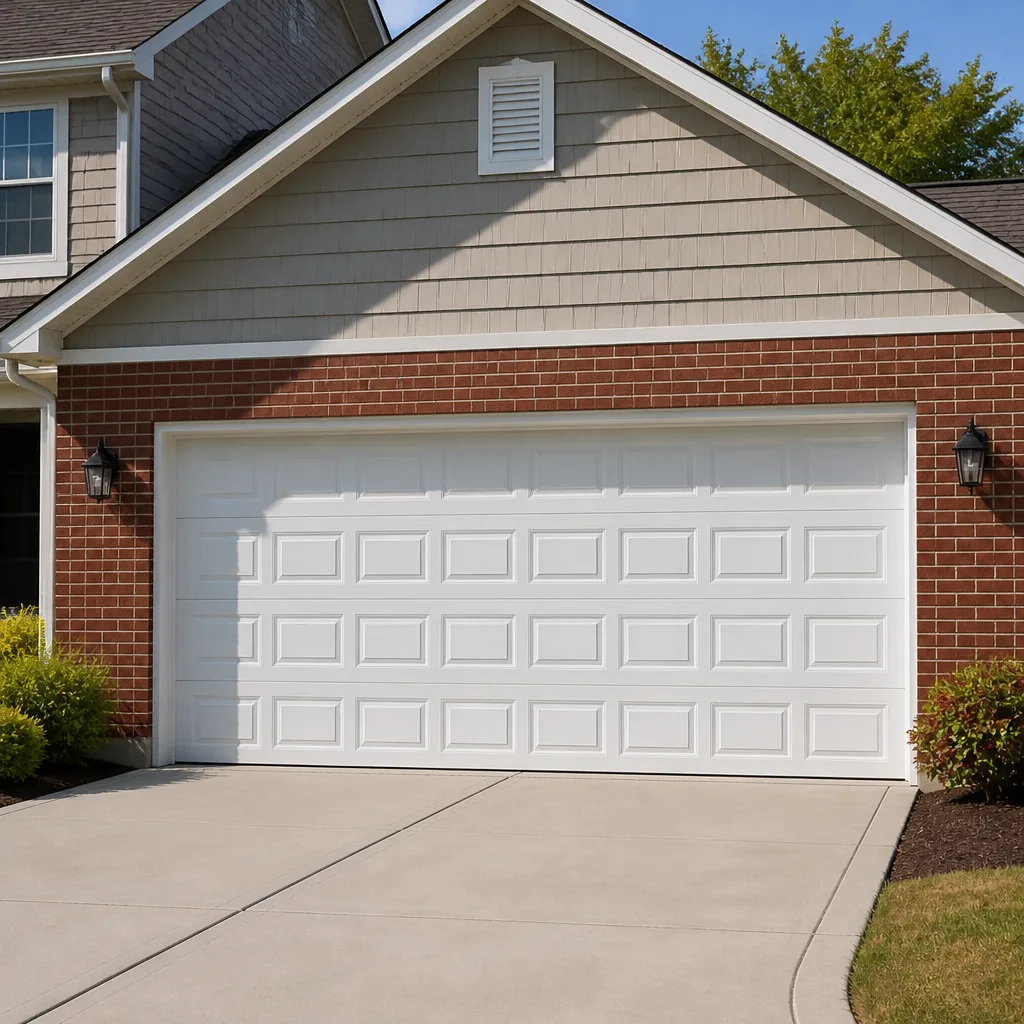 Raised-panel steel
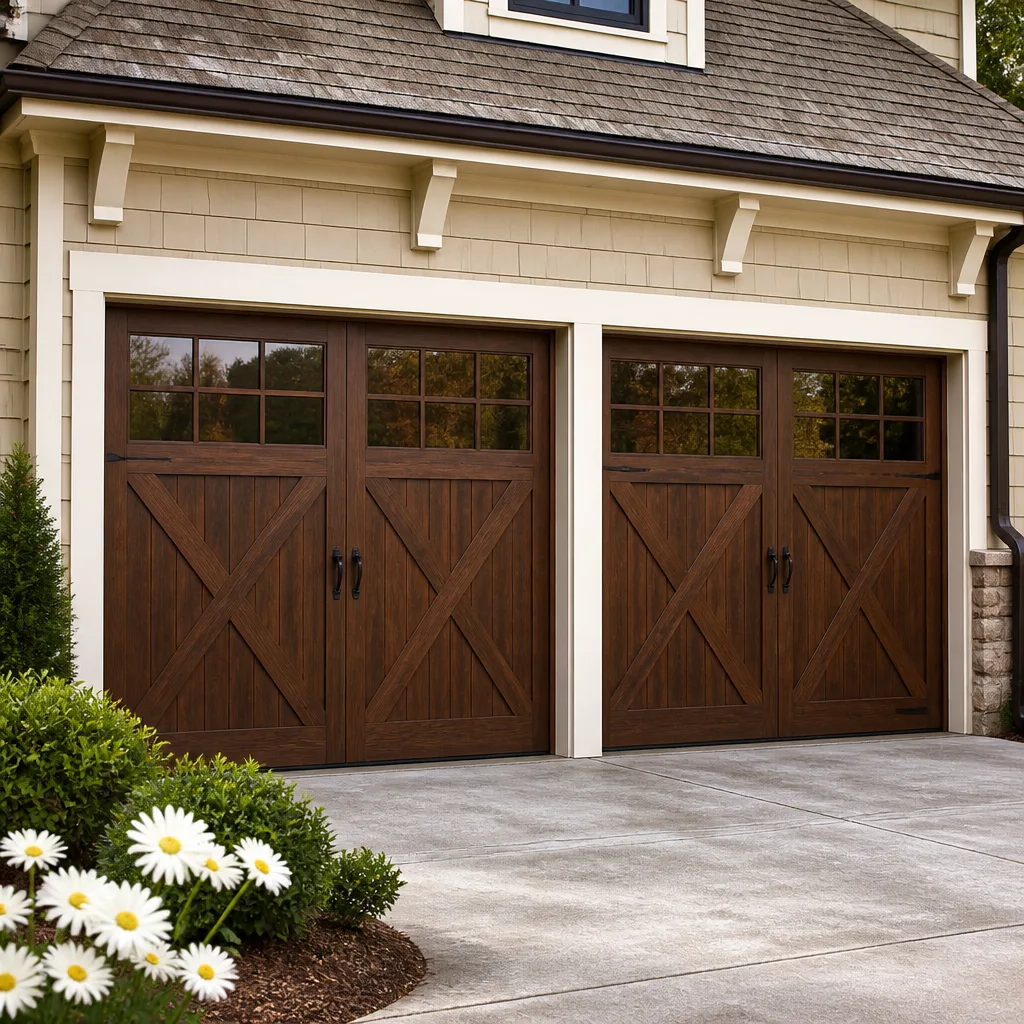 Carriage house
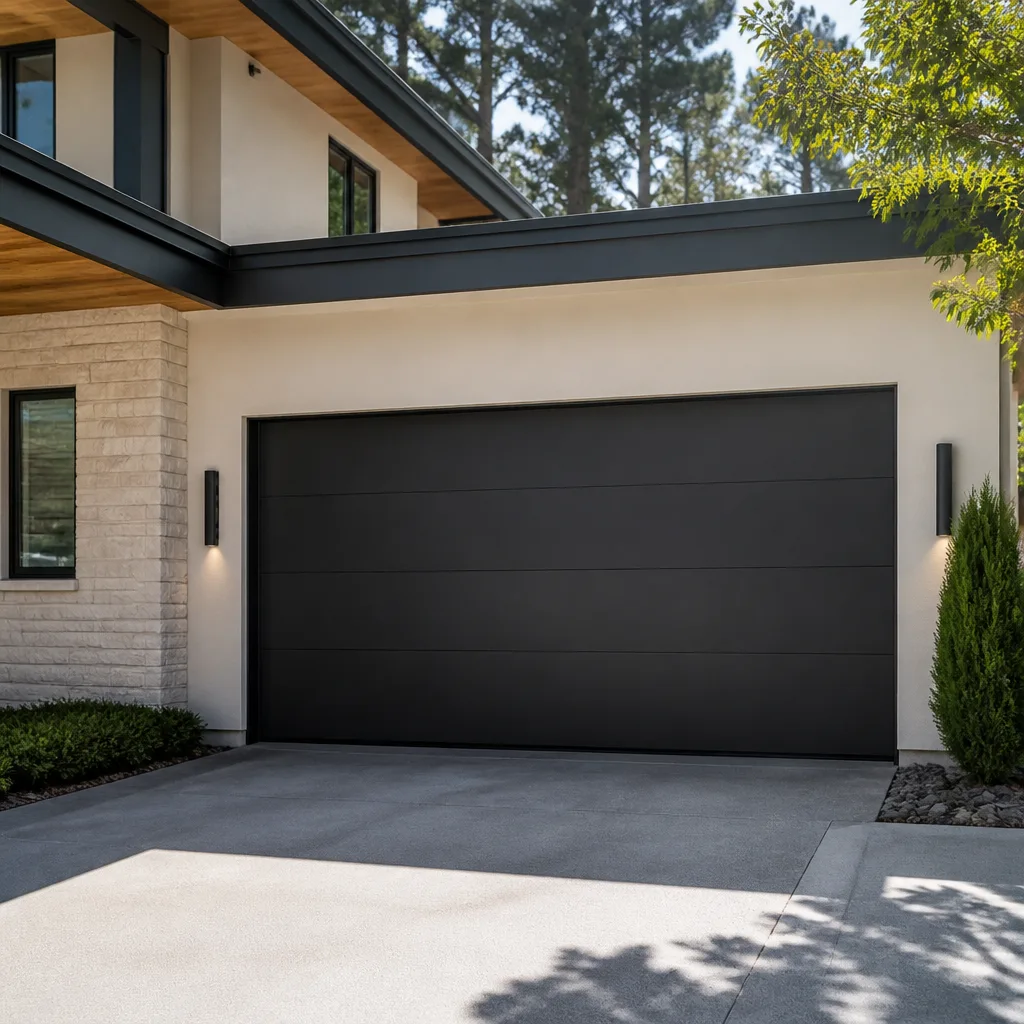 Modern flush
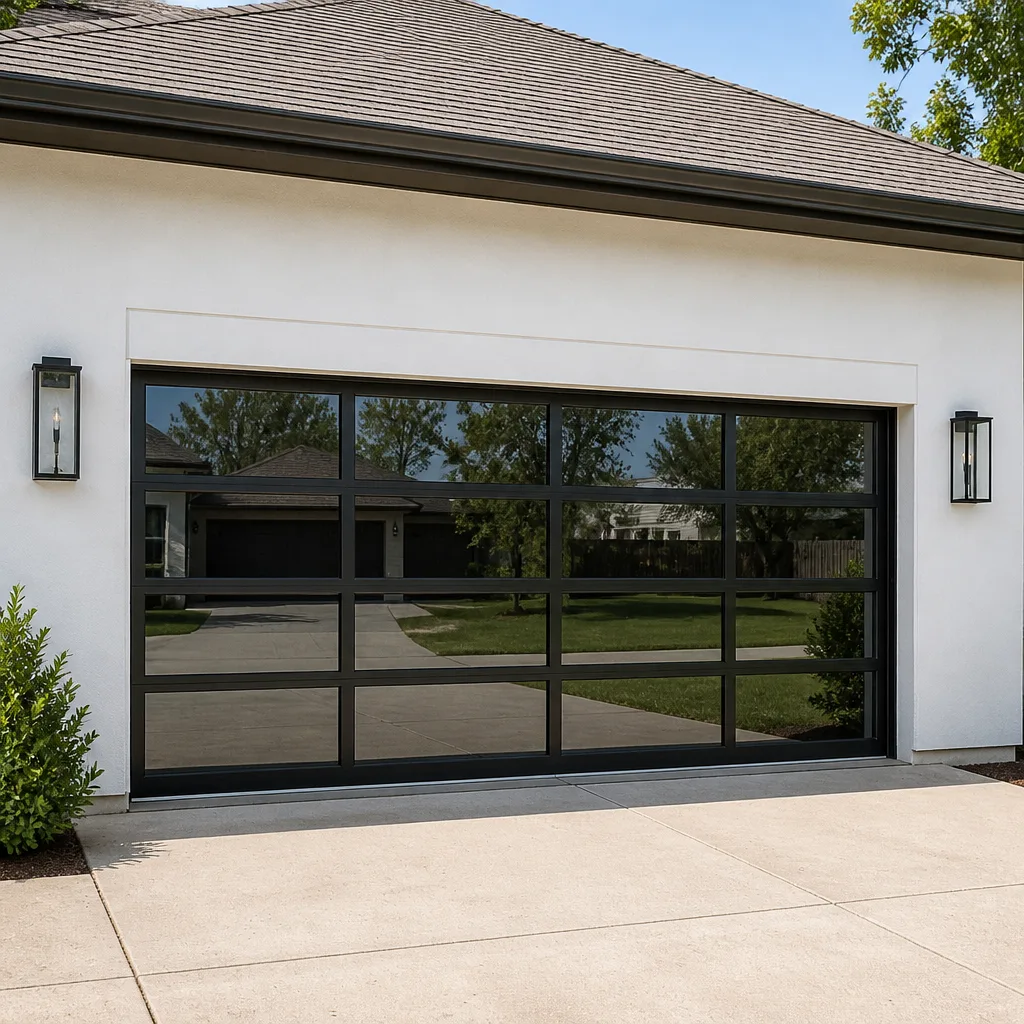 Full-view glass
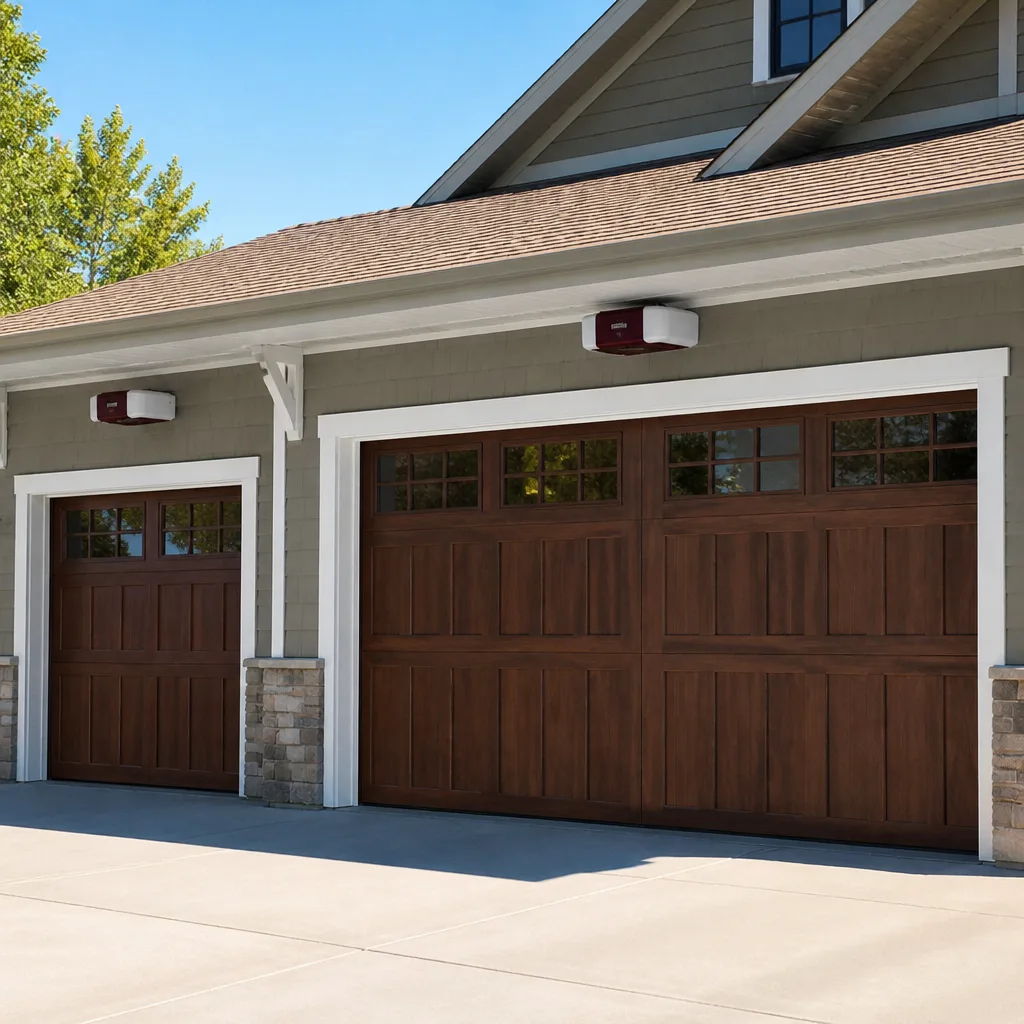 LiftMaster openers
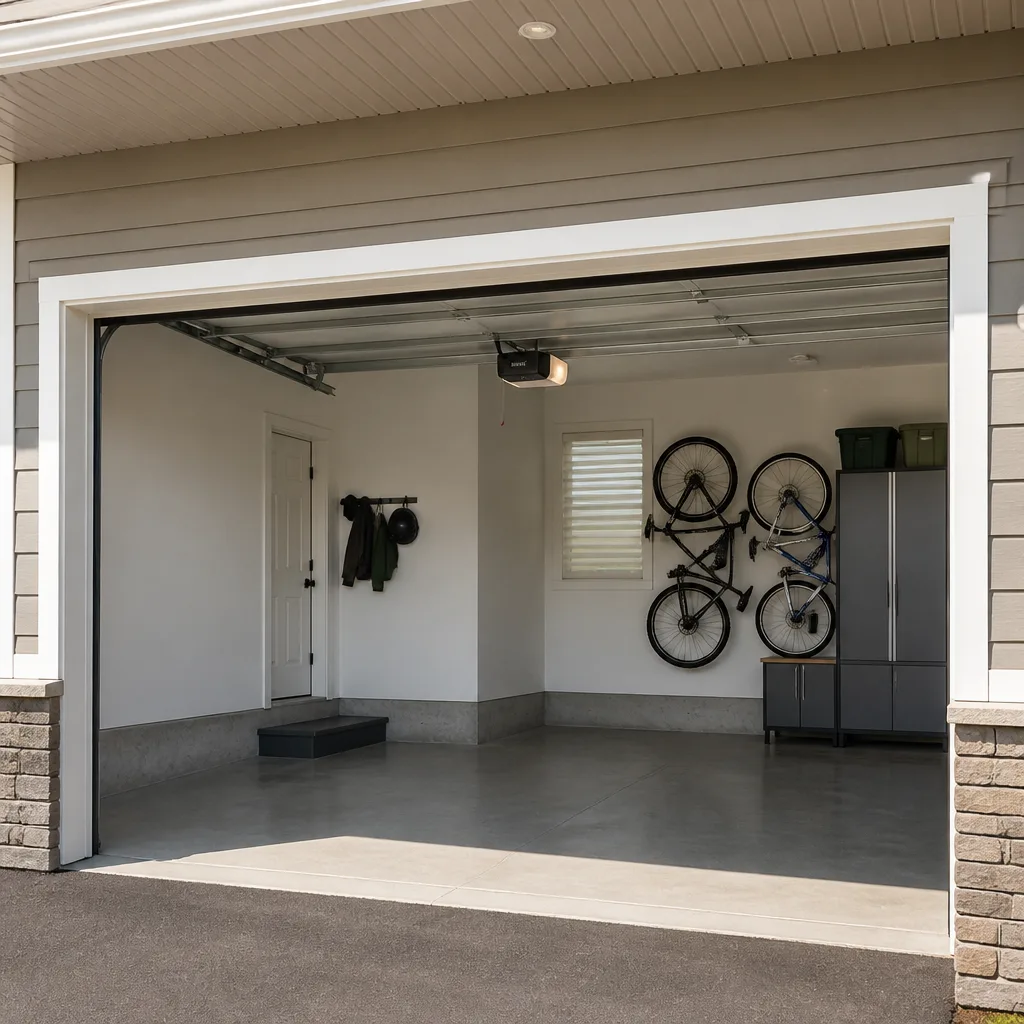 Chamberlain openers
Full 25-point door and opener safety check with every visit - springs, cables, rollers, tracks, and your LiftMaster or Chamberlain opener included
You get a price before we start. It does not change when the pro arrives.
Get your free estimateDIY vs Professional Garage Door: The Sanford Homeowner’s Decision Guide
Replacing a torsion spring yourself isn’t illegal in Florida when it’s your own home. That surprises a lot of Sanford homeowners who assume anything structural requires a permit and a licensed contractor. But legal and smart are two different things. A wound torsion spring stores roughly 100 foot-pounds of energy per coil, and the tutorials that make it look simple tend to skip that part. This guide draws a clear line: the jobs in Sanford you can handle with a screwdriver and an afternoon, and the jobs where the risk, the code, or the tools make a professional the only sensible call. You’ll get specific steps for the safe tasks, hard stops for the dangerous ones, and a realistic look at what a botched repair costs you later.
Quick Answer
Most routine garage door maintenance in Sanford is safe to do yourself: lubrication, weatherstrip replacement, photo-eye cleaning, and remote re-pairing. Torsion springs, cable drums, and track work on doors over 8 feet are not. Florida’s building code lets homeowners work on their own residence, but that exemption doesn’t make a spring swap safe, and it doesn’t cover anything that needs a permit. If your door won’t open, balance, or close evenly, that’s a professional call.
Styles & brands we work with
- Raised-panel steel
- Carriage house
- Modern flush
- Full-view glass
- LiftMaster openers
- Chamberlain openers
Table of Contents
- What Florida Law Actually Allows You to Do Yourself
- The DIY Jobs That Are Genuinely Safe in Sanford
- Hard Stops: Where DIY Becomes Dangerous or Illegal
- Tool and Parts Sourcing in Sanford
- What a Botched DIY Repair Really Costs
- How Sanford’s Heat and Humidity Affect Your Door
- A Decision Framework for Sanford Homeowners
What Florida Law Actually Allows You to Do Yourself
Florida’s building code includes a homeowner exemption. If you own the home and live in it, you can generally perform work on your own residence without holding a contractor’s license. That’s real, and it’s why a Sanford homeowner can legally swap an opener, replace a bottom seal, or re-pair a remote without filing anything with the city. The exemption exists for the person doing their own maintenance, not for a homeowner acting as a general contractor on a bigger job.
Where people get this wrong is assuming the exemption covers everything. It doesn’t. Certain work triggers a permit regardless of who swings the hammer, and a permit is not something a homeowner exemption waives. Structural changes to the opening, electrical work that ties into a new circuit, and any modification that changes the door’s load path are the usual triggers. If you’re not sure whether your project crosses that line, call the City of Sanford building department and ask. It’s a short phone call that saves a lot of trouble later.
The practical read for Sanford homeowners: the law gives you room to maintain your own door. It doesn’t give you a safety net. A legal repair that puts you in the emergency room is still a bad afternoon. This is why we draw the line at risk, not just legality.
What “licensed” actually means for garage door work
Garage door repair doesn’t have its own statewide license class in Florida the way electrical or plumbing does. What you want is a company that’s licensed and insured as the state requires for the work being done, and that specializes in garage doors rather than treating it as one of a dozen handyman services. When you hire out, ask whether the local pro is licensed and insured and confirm the scope before work starts.
The DIY Jobs That Are Genuinely Safe in Sanford
Plenty of garage door maintenance is well within reach. None of it involves a wound spring, a cable under tension, or climbing under a door that’s held up by torsion. Here are the tasks we’d hand a homeowner a screwdriver for and wish them well.
- Lubrication. Use a lithium or silicone-based lubricant on the hinges, rollers, and the torsion bar bearings, not on the tracks themselves. Wipe the tracks clean with a damp rag instead. Do this a couple of times a year, more often if your door runs a lot.
- Weatherstrip replacement. The bottom seal and the side and top seals are wear items. A new bottom seal pulls out of its channel and presses back in, and it stops the gap that lets in rain and heat. This is the single highest-value DIY task for most Sanford homes.
- Photo-eye cleaning and alignment. The two small sensors near the floor should be wiped clean and pointed at each other. One solid light on each means they’re talking. A blinking light means they’re blocked or misaligned, and the door won’t close.
- Remote re-pairing. On a LiftMaster, Chamberlain, or Genie opener, the pairing process is a button on the motor head and a couple of presses on the remote. The manual for your model walks you through the order. This solves a surprising number of “the opener is broken” calls.
- Visual inspection. Look at the springs for gaps or rust, the cables for fraying, and the rollers for flat spots. You’re looking, not touching anything under tension.
One rule for all of it: if a task needs you to release the door from the opener or get your hands near the springs, stop. That’s where the safe list ends. For anything past this point, our garage door repair team can take it from there.
Hard Stops: Where DIY Becomes Dangerous or Illegal
Some jobs carry injury risk that changes the whole calculation. A torsion spring under tension can release with enough force to cause serious injury in an instant, and that’s true whether or not the law lets you touch it. A cable under load can snap back just as violently. We treat these as hard stops, not because we want the work, but because the margin for error is close to zero.
- Torsion spring replacement. This is the most dangerous task on any garage door. The wound spring stores energy with no easy way to bleed it off if you don’t have the right winding bars and know the exact procedure. Online tutorials skip the energy math. Don’t.
- Cable drum work. The cables carry the door’s weight. Getting one drum out of sync can drop the door or throw it off balance. This is a two-person professional job even in the trade.
- Track realignment on a door over 8 feet. Heavier doors mean heavier components, and a track that lets go under load is a bad scene. Tall doors also need different bracing and anchoring than a standard one-car door.
- Anything requiring a permit. If your project crosses into structural or electrical work that needs the city’s sign-off, the homeowner exemption doesn’t help you. Get the permit or hire someone who will.
- Opener electrical work that adds a circuit. Replacing an opener on the same outlet is one thing. Running a new circuit for it is electrical work, and that’s where a licensed electrician belongs in the picture.
The theme is simple. Anything storing mechanical energy or holding up the door’s weight is a professional job. If you’ve already got a spring that’s sagging or a door that won’t stay balanced, that’s a call, not a project. Garage door springs are under extreme tension, and this is not a DIY repair.
Tool and Parts Sourcing in Sanford
Sanford has real options for garage door parts, and also some tricky ones. The big box stores in and around town carry the basics: bottom seals, rollers, hinges, remotes, and generic lubricants. For those items, buying local is easy and the specs are usually fine. Where it gets harder is anything with a load rating, which means springs and cables.
Springs are matched to the door’s weight, the number of cycles you want, and the drum size. A box-store kit or an online listing usually gets one thing wrong: the wire gauge or the inside diameter. That’s a spring that fits but doesn’t last, or worse, one that fits and fails early. If you’re not certain of the exact spec on your door, don’t buy the spring. You can usually find the door’s make and model on a sticker inside the panel, and that’s what a supply house or a pro needs to match it correctly.
Where to buy what in Sanford
- Big box stores: bottom seals, rollers, hinges, lubricant, remotes, and basic opener accessories. Fine for maintenance items.
- Local hardware and supply: better for odd brackets, fasteners, and one-off pieces the box stores don’t stock.
- Springs and cables: matched to your door, not pulled off a shelf. This is where a professional with the right spec in hand saves you the second trip.
For opener parts, brand matters too. We work on LiftMaster, Chamberlain, Genie, and Clopay systems regularly, and the correct remote or logic board depends on the exact model, not just the brand name on the box.
What a Botched DIY Repair Really Costs
A failed DIY repair doesn’t just cost you the parts you already bought. It usually adds labor, because the professional now has to undo the damage before they can fix the original problem. We’ve seen it enough times to know the patterns.
The most common is a spring that was swapped with the wrong spec. The door lifts unevenly, the opener starts working harder, and soon the whole system is out of balance. Now it’s a spring set plus a rebalance plus often an opener that’s been strained. Labor time roughly doubles because the technician has to reset everything, not just replace one part.
The second pattern is a track that got bent during a DIY attempt to straighten it. A bowed track has to be replaced, not bent back, and the door has to be re-aligned afterward. Third is stripped or cross-threaded bolts from the wrong tool on a bracket that should have been left alone. Each of these turns a simple repair into a longer one, and the estimate reflects that. If you’re already mid-project and things went sideways, our team can look at it, and the sooner you call the less damage there is to work around.
The takeaway isn’t that DIY always costs more. It’s that the math only works when the job is one you can actually finish correctly. On the high-risk jobs, a botched attempt almost always costs more than hiring it out the first time.
How Sanford’s Heat and Humidity Affect Your Door
Sanford’s climate is mild in winter, which is good news for your door. You don’t have the freeze-thaw stress that shortens the life of springs and cables up north. What you do have is heat and humidity, and those leave their own marks. The bottom seal takes the most abuse, baking in the sun and drying out until it cracks and stops sealing. That’s why weatherstrip replacement is a top DIY task here.
Humidity affects the metal parts too. Hinges and rollers can start to squeak and bind if they’re not lubricated, and the hardware on older doors can rust faster than you’d expect. Lubrication is the cheapest insurance you have. Springs are less affected by the heat than you might think, but the opener motor works harder in a hot garage, and that’s a reason to keep the track clean and the door balanced.
Seasonal maintenance in Sanford
Twice a year is a good rhythm for most homes. In spring, clean the tracks, lubricate the moving parts, and check the seals. In fall, do the same and add a careful visual check of the springs and cables. If you’re on the fence about whether something needs a professional, the answer is usually yes when it involves tension or weight.
A Decision Framework for Sanford Homeowners
When you’re staring at a garage door problem, the first question isn’t “can I fix this?” It’s “what kind of task is this?” We use three buckets with our own team, and they map cleanly onto the DIY decision.
- Maintenance and wear items. Lubrication, seals, photo-eyes, remotes. DIY is fine, and we say so.
- Mechanical repairs with no stored energy. Rollers, hinges, and opener problems that don’t involve the springs or cables. Some of these are within reach if you’re handy, and our garage door opener repair team handles the ones that aren’t.
- Energy-storing or load-bearing work. Springs, cables, drums, track realignment, and anything that needs a permit. Professional only.
Run your project through those three buckets before you pick up a tool. If it lands in the third one, don’t DIY it. And if you’re planning a bigger upgrade down the road, like replacing an aging door, that’s a planned job with a scheduled measure, not a maintenance task. Our garage door installation service handles the full scope from measure to install.
Common Mistakes to Avoid
- Buying the wrong spring spec. A spring that fits the bracket but not the door’s weight is a failure waiting to happen. Match the gauge and diameter to your door’s sticker, not a generic listing.
- Releasing the door from the opener and leaving it up. An open door on a released opener can come down unexpectedly. If you need to disconnect it, lower it and prop it safely, and get a professional if you’re unsure.
- Oiling the tracks. Lubricant on the tracks attracts grit and makes the door stickier. Clean the tracks, lubricate the moving parts.
- Ignoring a blinking photo-eye. A misaligned sensor is the most common reason a door won’t close, and it’s a two-minute fix most people assume is a broken opener.
- Straightening a bent track by hand. Tracks don’t bend back reliably, and a bowed track throws the whole door out of alignment. Replace it.
- Assuming the homeowner exemption covers a permit. It doesn’t. Anything requiring city sign-off needs the permit regardless of who does the work.
- Waiting on a spring that’s already sagging. A spring showing a gap or rust is closer to failing than it looks. That’s a call now, not next month.
See the difference
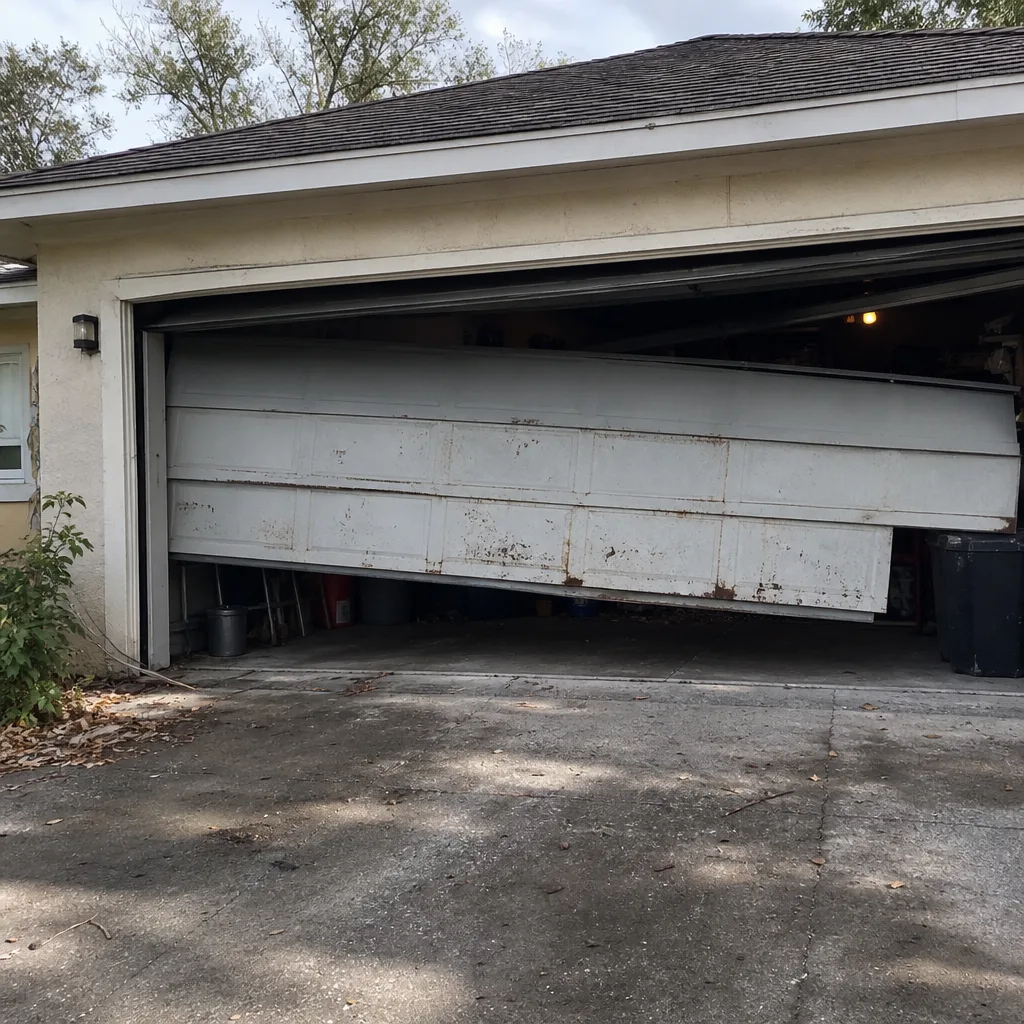 Before
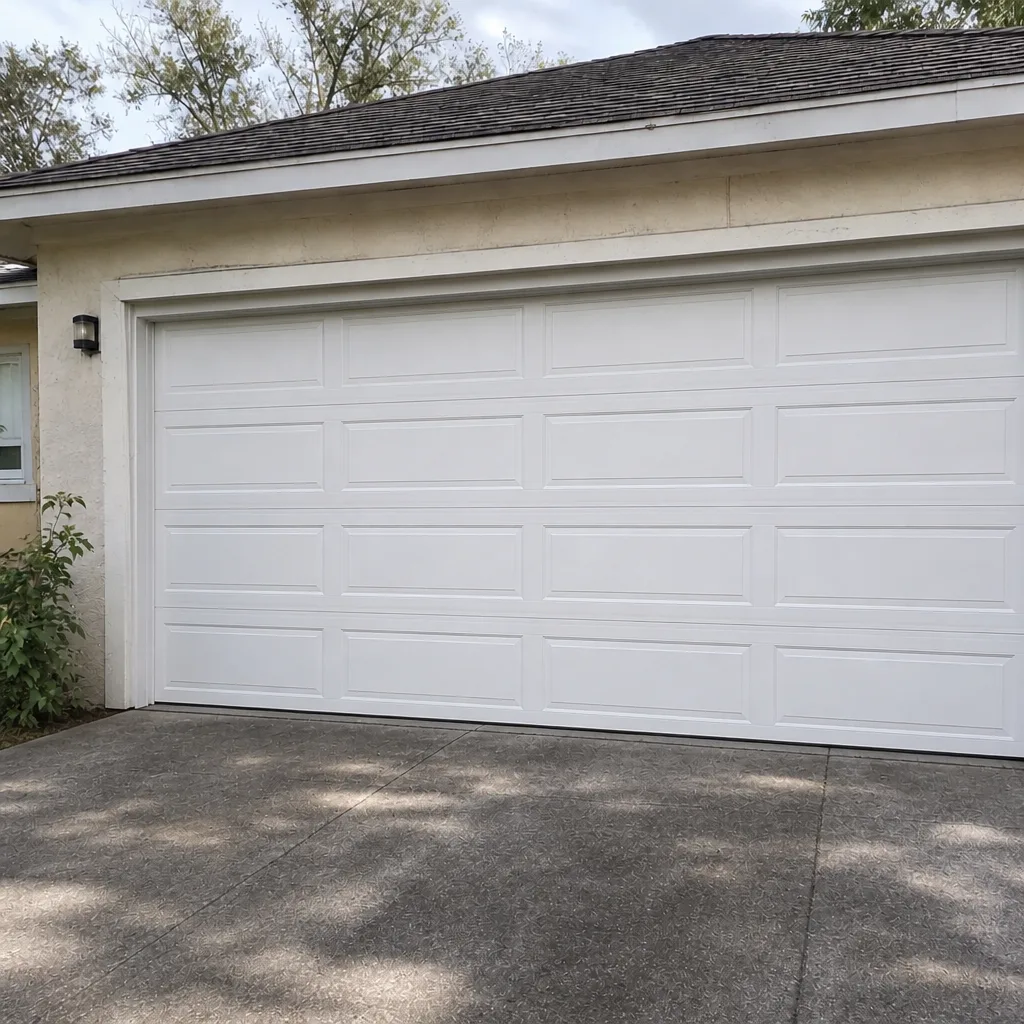 After
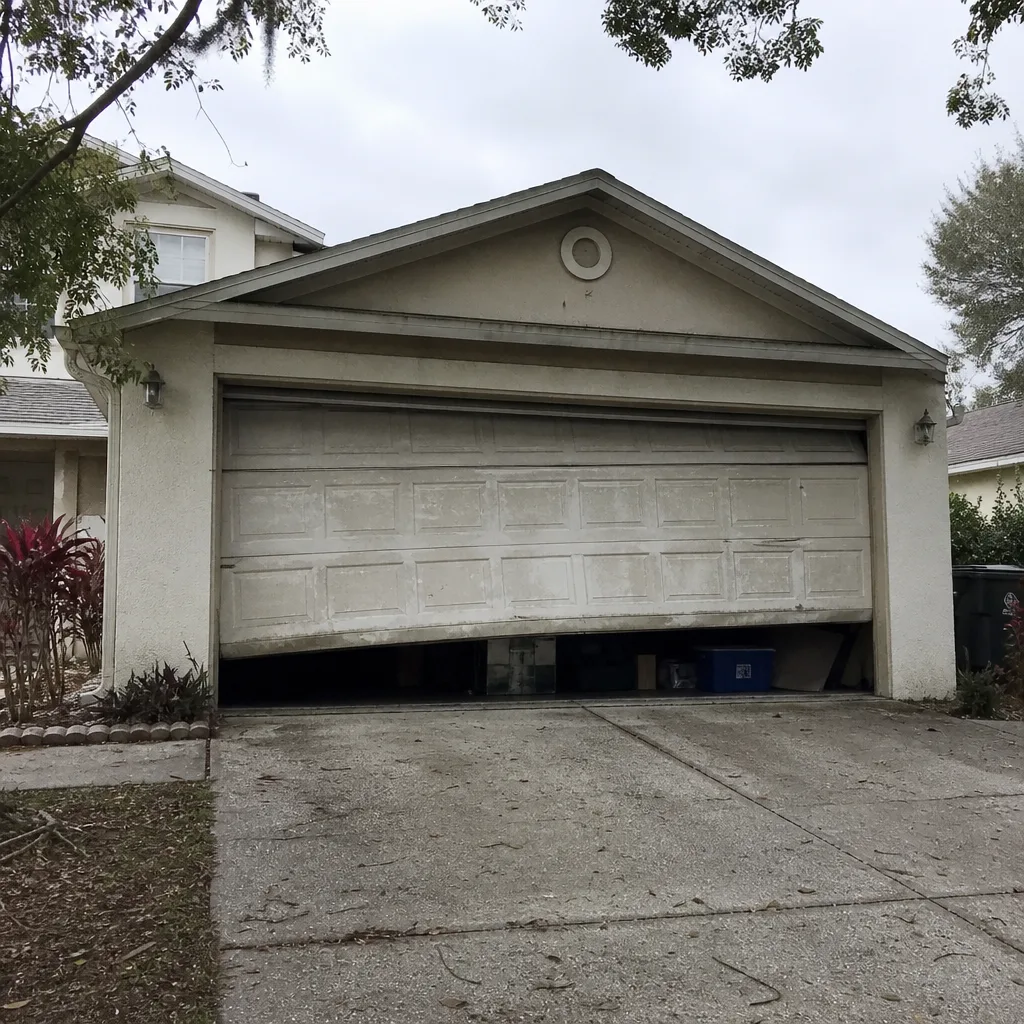 Before
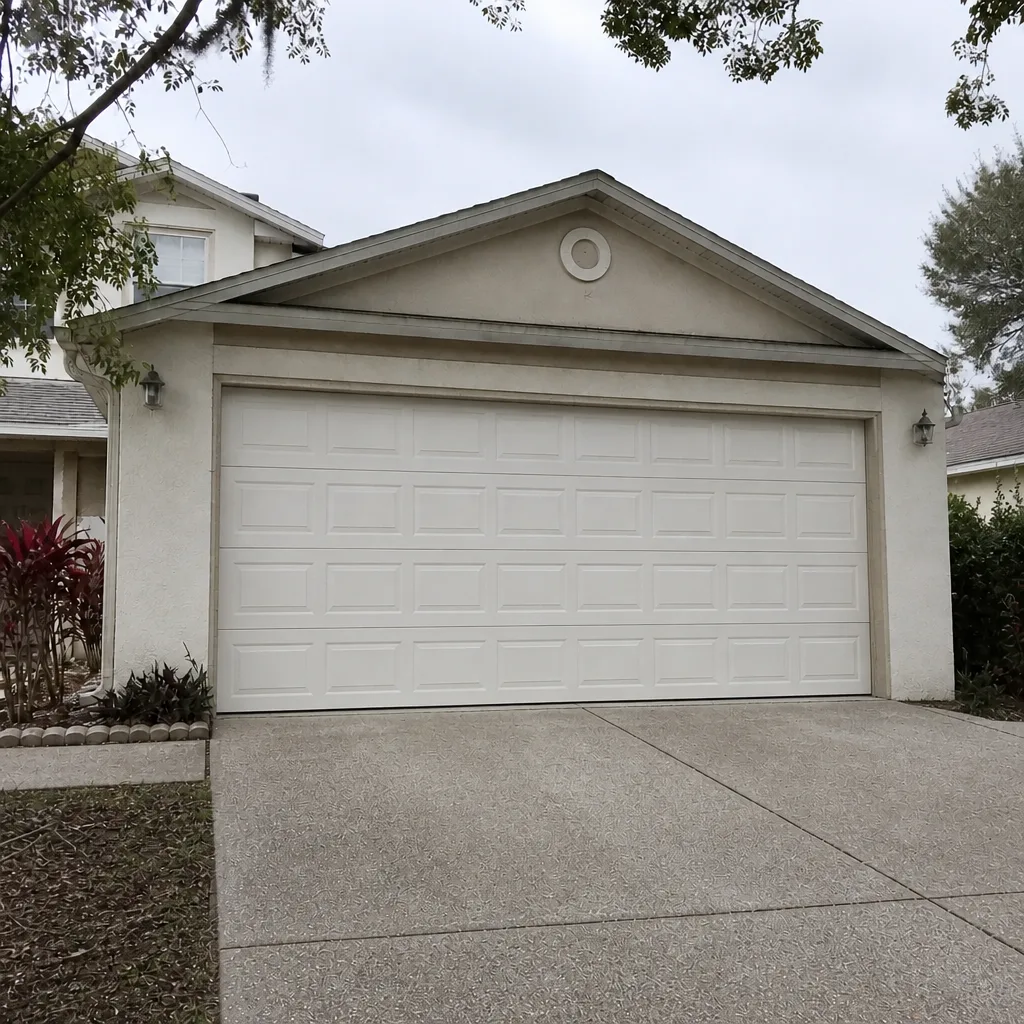 After
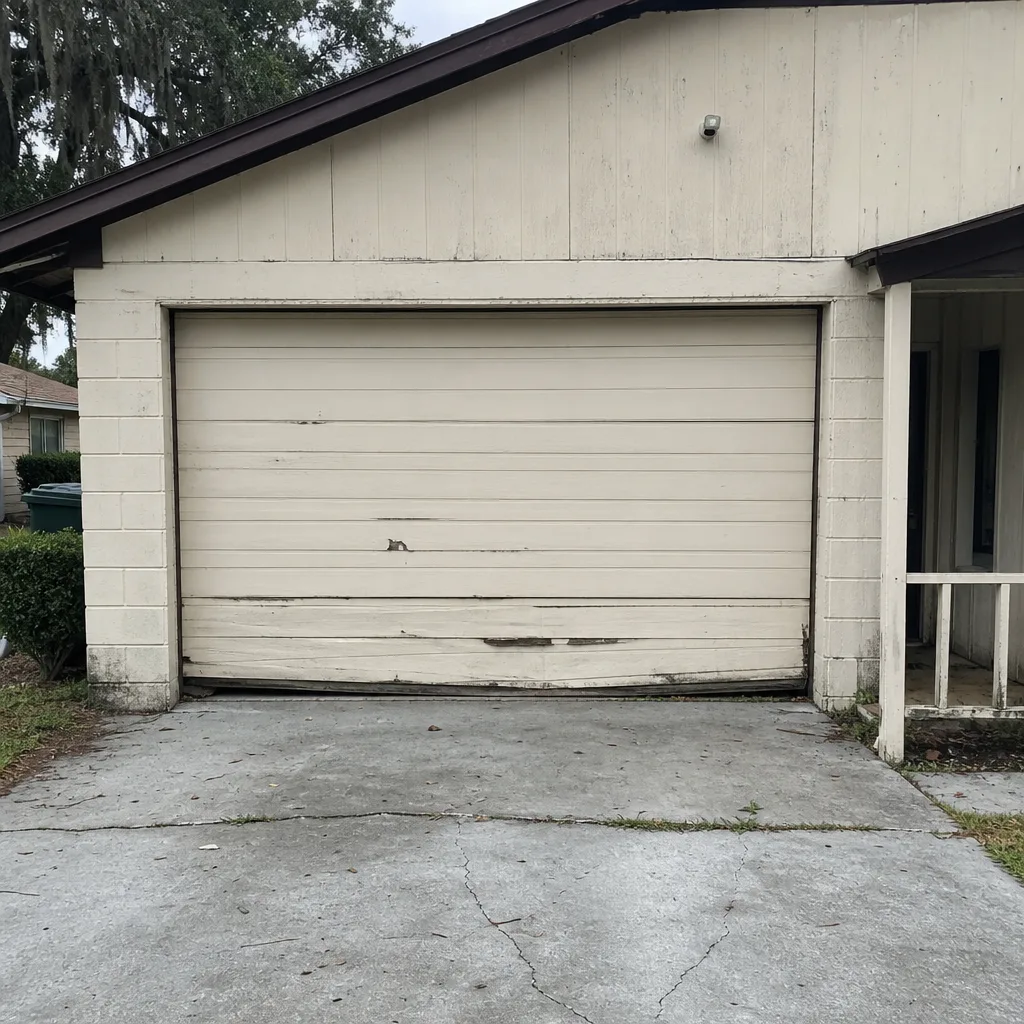 Before
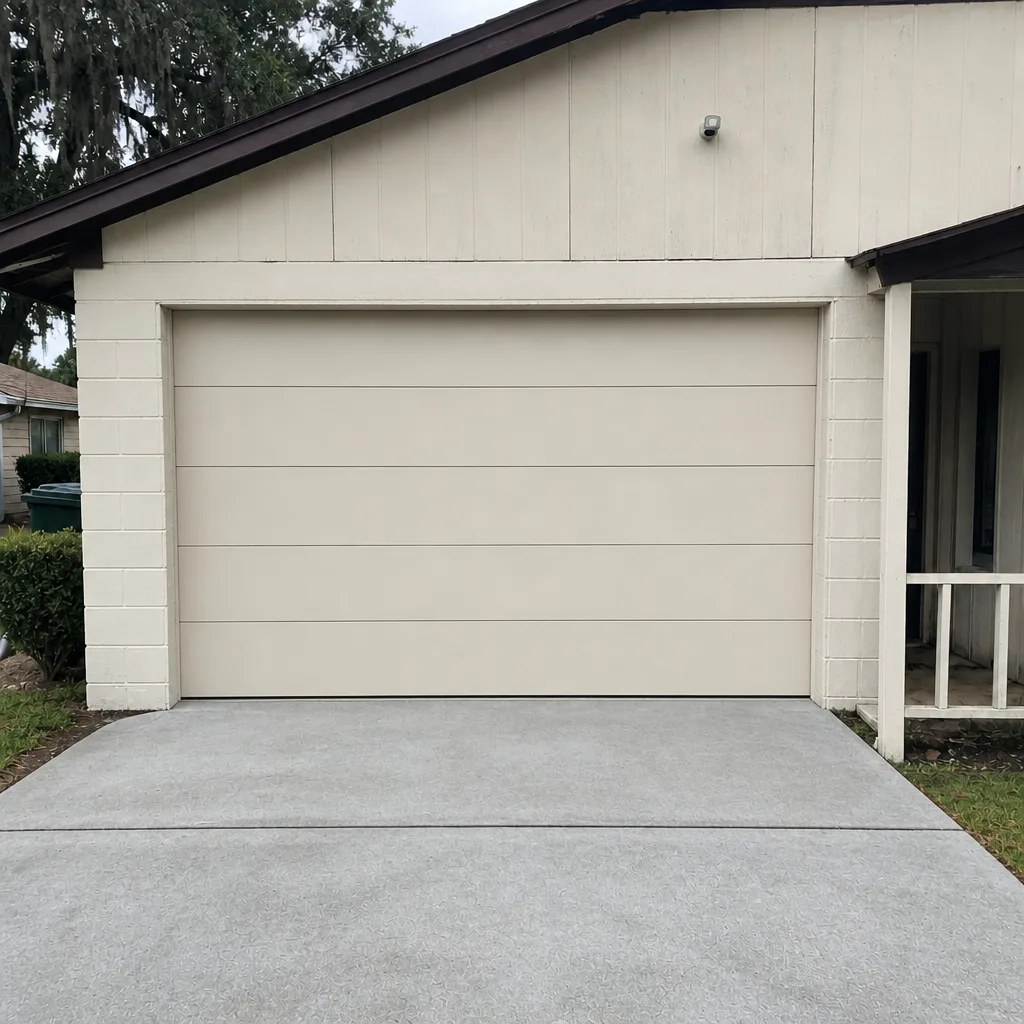 After
When to Call a Professional
Call a professional when the job involves a wound spring, a cable, a drum, or a door over 8 feet. Call when the door won’t stay balanced or closes unevenly. Call when you’ve started a repair and realized it’s beyond you, because that’s the moment the damage gets worse with every additional turn of a wrench. And call when you need a permit the homeowner exemption doesn’t cover.
Sanford Garage Door Repair Co offers free estimates in Sanford. The written estimate sets the price, and the local pro is licensed and insured as the state requires. Call (855) 658-4309. We answer 24/7. Fast dispatch from 7am to 7pm, Sunday through Friday. When your door won’t open or close, it’s not just an inconvenience, it’s a security issue, and that’s exactly what our emergency service is for.
Frequently Asked Questions
In Florida, if it’s your own home and you live in it, the homeowner exemption generally lets you work on your own residence without a contractor’s license, and a spring swap doesn’t need a permit. Legal isn’t the same as safe, though. A wound torsion spring stores roughly 100 foot-pounds of energy per coil, and that’s why we treat it as a professional job. Call (855) 658-4309 for a free estimate on spring work.
Lubrication, weatherstrip and bottom seal replacement, photo-eye cleaning and alignment, and remote re-pairing are all safe DIY tasks. So is a visual inspection of springs, cables, and rollers, as long as you’re looking and not touching anything under tension. For anything past that list, call (855) 658-4309 and get an exact quote, free of charge.
Routine repairs like spring, cable, roller, and opener replacement don’t need a permit. Structural changes to the opening, new electrical circuits, and work that changes the door’s load path usually do. Ask the City of Sanford building department about your specific project, since that’s the only answer that counts. For the repair itself, call (855) 658-4309 for a free estimate.
Often, yes. When a spring is swapped with the wrong spec or a track gets bent during a DIY attempt, the technician has to undo the damage before fixing the original issue, and that roughly doubles the labor time. The written estimate reflects the real scope, and the price is set before work starts. Call (855) 658-4309 for a free estimate.
If the job stores energy or holds the door’s weight, it’s a professional job. That means springs, cables, drums, and track work. If it’s a wear item or a seal or a sensor, maintenance is fine. If your door won’t stay balanced or closes unevenly, that’s a professional call even if it seems small. Call (855) 658-4309 for a free estimate.
We work on equipment from eight major brands, including LiftMaster, Chamberlain, Genie, and Clopay. We also handle Amarr, Wayne Dalton, Craftsman, and Raynor systems, so you’re unlikely to hear that we don’t service your brand. Garage doors only is the whole point of how we’re set up. Call (855) 658-4309 for a free estimate.
The Bottom Line
The DIY vs. professional question in Sanford comes down to what the task involves, not how handy you are. Seals, lubrication, sensors, and remotes are yours to handle, and we’ll gladly talk you through them. Springs, cables, drums, and tall-door track work are professional territory, because the risk isn’t worth the savings and a botched attempt usually costs more to fix. Florida’s homeowner exemption gives you room to maintain your own residence, but it doesn’t cover permits and it doesn’t make a wound spring safe. Know which bucket your project is in before you start. If you’re not sure, a free estimate answers the question with no pressure and no surprise on the invoice.
Sanford Garage Door Repair Co handles repair, opener service, spring work, full installation, and emergency calls on eight major brands. Call (855) 658-4309 for a free estimate. We answer 24/7. Fast dispatch from 7am to 7pm, Sunday through Friday. You can also learn more about how we work at Sanford Garage Door Repair Co.
Written by the team at Sanford Garage Door Repair Co.