
Last updated November 22, 2026
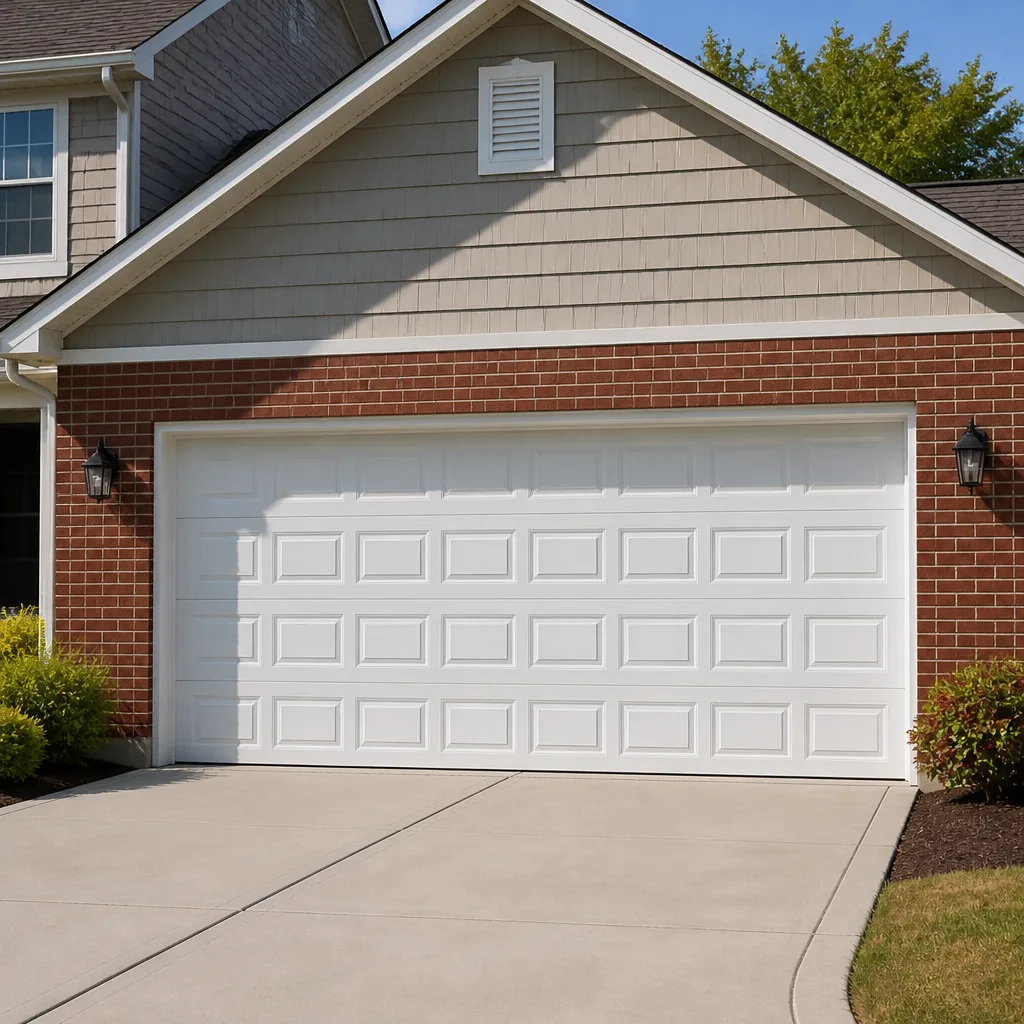 Raised-panel steel
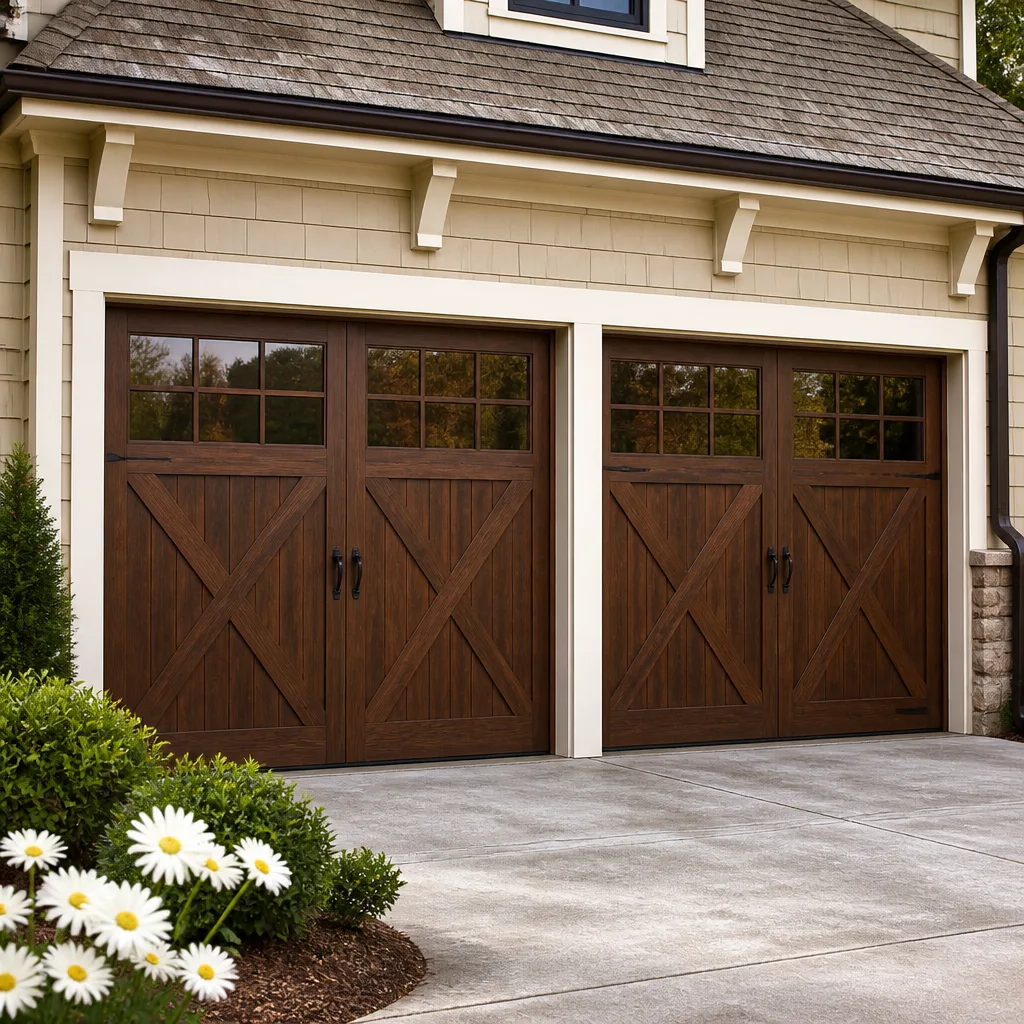 Carriage house
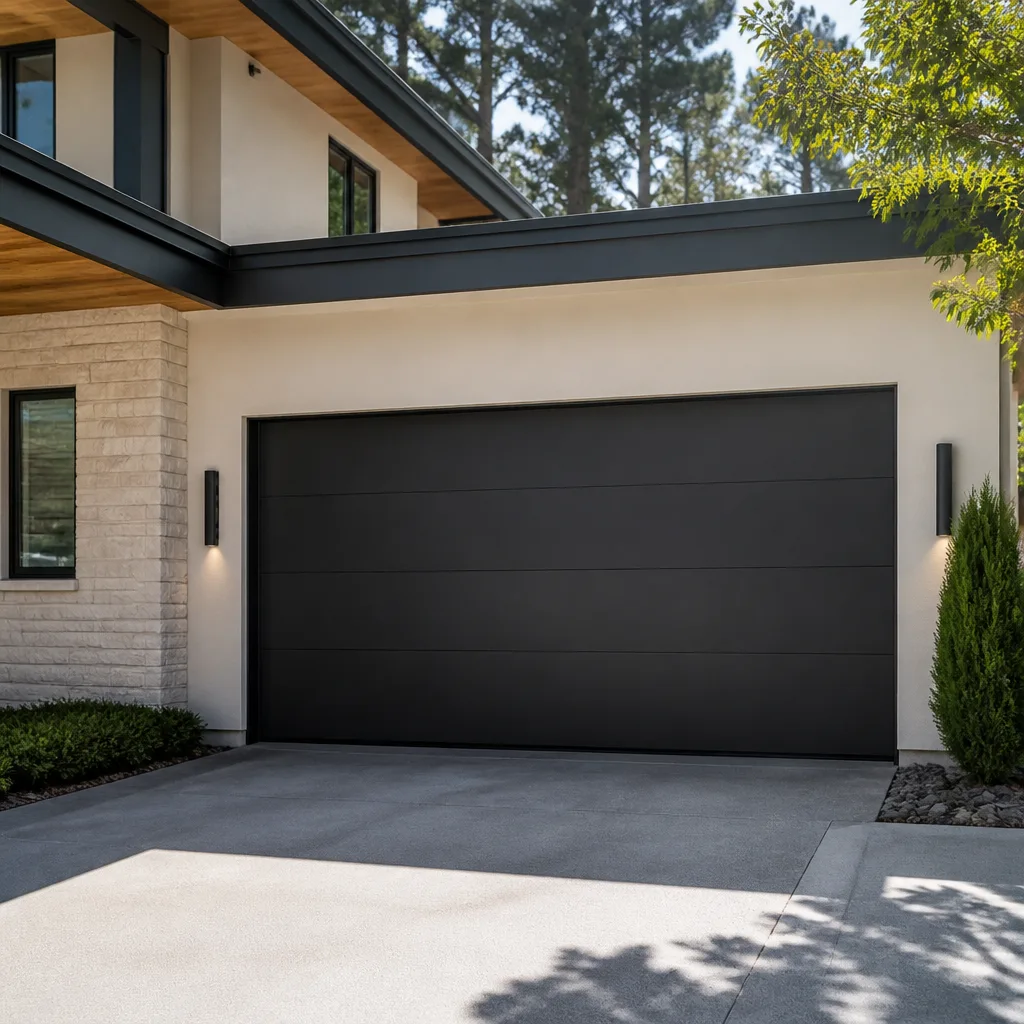 Modern flush
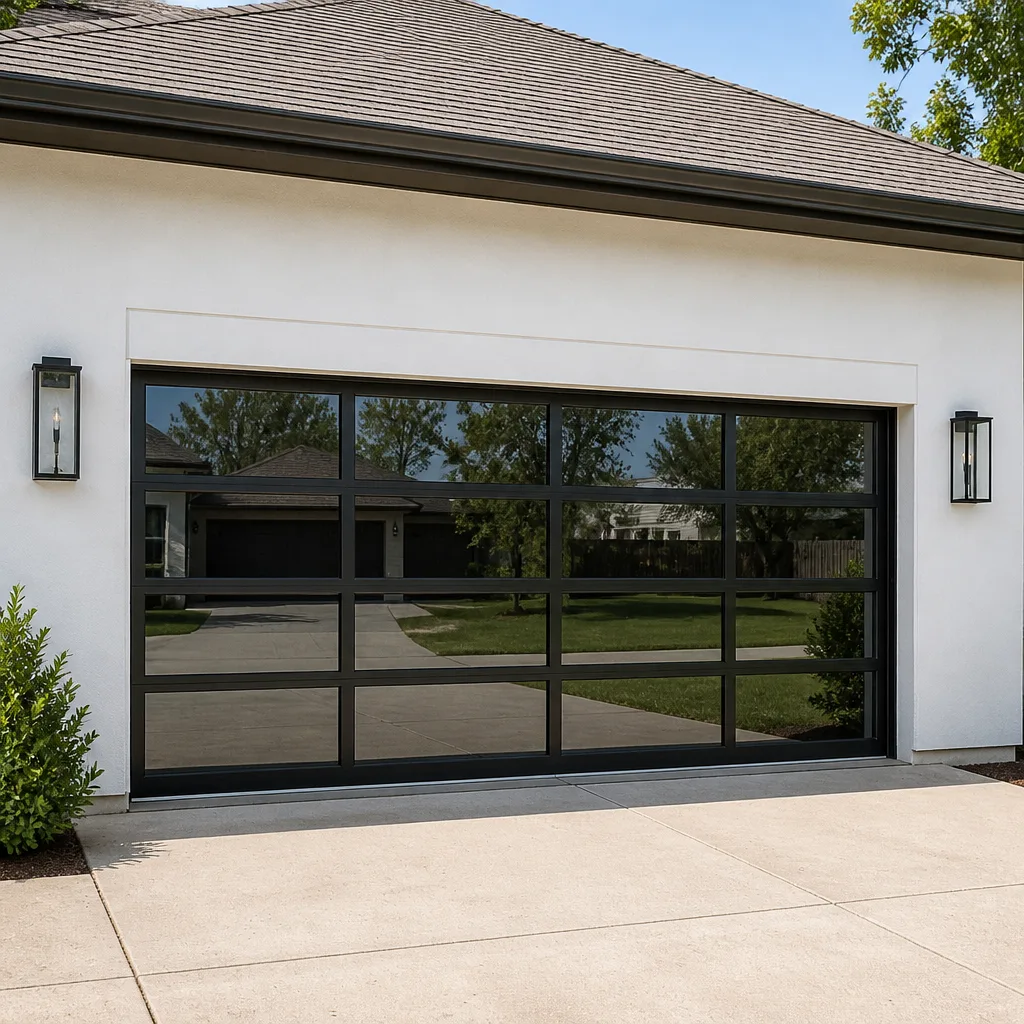 Full-view glass
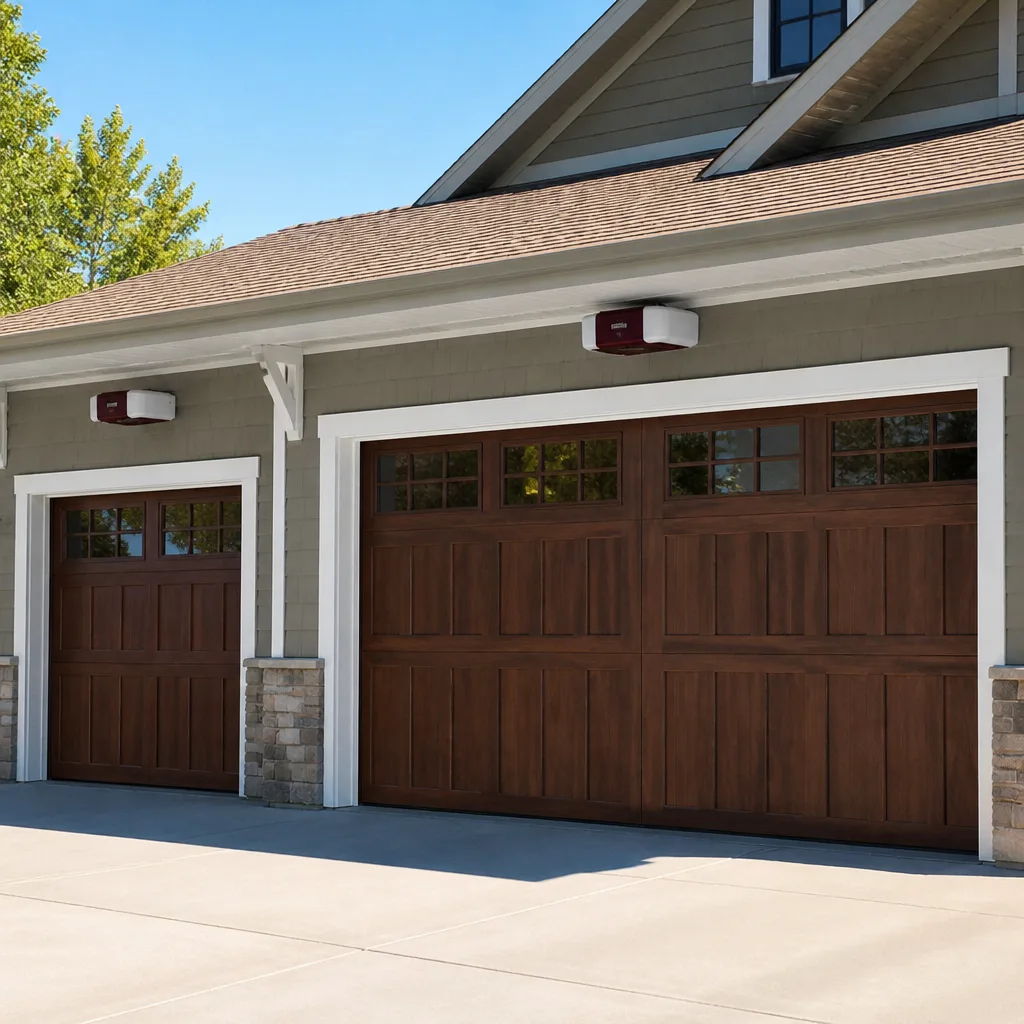 LiftMaster openers
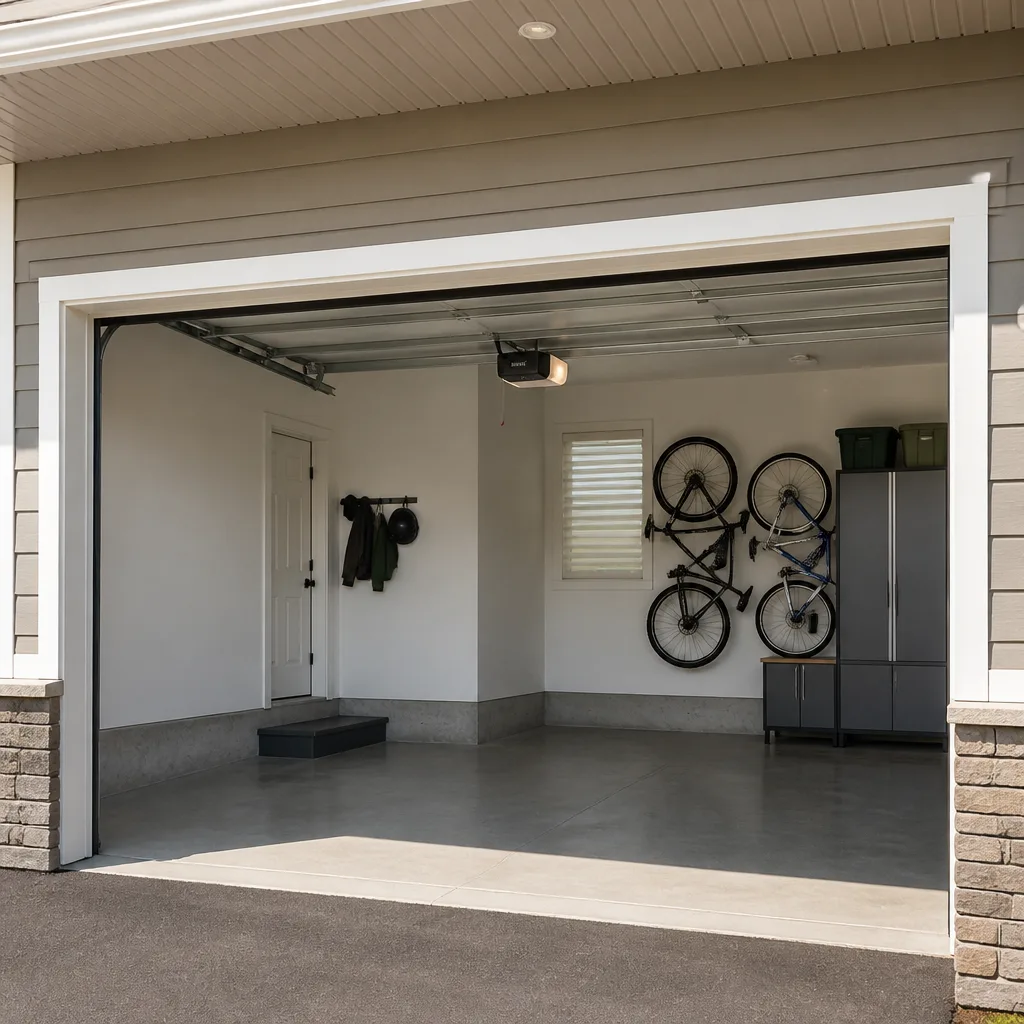 Chamberlain openers
Full 25-point door and opener safety check with every visit - springs, cables, rollers, tracks, and your LiftMaster or Chamberlain opener included
You get a price before we start. It does not change when the pro arrives.
Get your free estimateThe Complete Guide to Garage Doors in Sanford
Sanford sits in FEMA wind zone II, and that single fact rewrites most of the garage door advice you’ll find online. A door that passed code in a Northern state may not legally be installed here, and most big-box door specs don’t advertise that on the label. Add Central Florida’s humidity, which works steadily on every torsion spring and hinge, and direct sun that punishes west- and south-facing steel panels, and you get a set of priorities that generic guides simply don’t cover. This guide covers what actually matters for a Sanford home: product approval, corrosion-resistant hardware, the right gauge and insulation math for a non-climate-controlled garage, and how to choose a shop that services every brand rather than just the one it sells.
Quick Answer
A garage door in Sanford needs three things above all: a Florida Product Approval number so it meets wind-zone requirements, torsion hardware coated to survive humid air, and a service shop that works on multiple brands instead of steering you toward one. Style and color matter, but they come after those three. Get the approval and the hardware right and a door will last; skip either and you’ll be replacing parts or panels well before you should.
Styles & brands we work with
- Raised-panel steel
- Carriage house
- Modern flush
- Full-view glass
- LiftMaster openers
- Chamberlain openers
Table of Contents
- Why Every Door in Sanford Needs a Florida Product Approval Number
- How Central Florida Humidity Attacks Your Springs and Hinges
- Steel Gauge vs. Insulation R-Value: The Florida Math
- Which Door Styles Survive Sanford’s Sun Exposure
- Why You Need a Shop That Services Any Brand
- A Practical Maintenance Routine for Sanford Homes
- Repair or Replace? How to Decide
- How to Choose a Garage Door Company in Sanford
Why Every Door in Sanford Needs a Florida Product Approval Number
Every garage door installed in Florida has to carry a Florida Product Approval (FPA) number. That number is the state’s record that the door, with its specific installation method, has been tested to withstand the wind pressures required for its location. Sanford falls in FEMA wind zone II, and doors in that zone are tested to defined design pressures. Without an FPA number, the door isn’t approved for installation here, and that can create problems at inspection, at resale, and with your insurer if a claim ever comes up.
The number isn’t a marketing badge. It’s a specific evaluation tied to a specific product, a specific size range, and a specific way of anchoring it to the wall. A door tested with one fastening pattern isn’t automatically approved with a different one. That’s why the installation method matters as much as the door itself.
How to Look Up an FPA Number Before You Buy
- Ask the seller or installer for the FPA number for the exact door model and size you’re buying.
- Go to the Florida Department of Business and Professional Regulation’s product approval search.
- Enter the number and confirm the product description matches your door and its wind-zone rating.
- Check that the approval lists the installation method your installer plans to use.
- Keep a copy of the approval with your home records for future inspections or resale.
If a seller can’t produce an FPA number, treat that as a stop sign. Any legitimate door sold for installation in Sanford will have one, and legitimate shops expect the question. It takes two minutes to verify and it protects you for as long as the door is on your house. When you’re ready to compare options, our garage door installation service walks through approval paperwork as part of the estimate, so you’re not left hunting for it alone.
How Central Florida Humidity Attacks Your Springs and Hinges
Your torsion springs and hinges live in a garage that’s warm and humid most of the year, and that accelerates corrosion on any unprotected steel. A spring that lasts two decades in a dry climate can fail years sooner here without the right coating. Humidity doesn’t break a spring overnight; it works on the wire surface, then the coating, then the metal underneath, and one day the spring snaps. The fix is straightforward: buy hardware with real corrosion protection and inspect it regularly.
Most springs and hinges come with one of a few finishes, and they don’t perform the same in Florida air:
- Oiled spring wire – the minimum. Needs periodic oiling to stay ahead of rust and is the fastest to corrode in humid air.
- Galvanized steel – a zinc coating that resists rust well. A sensible baseline for Sanford.
- Powder-coated springs – a bonded finish that holds up better than oil in steady humidity. Worth asking for.
- Stainless steel or nylon-coated hardware – the most corrosion-resistant option and useful for coastal-adjacent homes or garages that stay damp.
Hinges and rollers deserve the same attention as springs. Nylon rollers outlast steel in humid air, and hinges with zinc or galvanized coatings resist the surface rust that eventually seizes a hinge and throws off the door’s alignment. Ask what finish the hardware has before you approve an estimate, not after.
One safety point: torsion springs are under extreme tension, and adjusting or replacing one is not a DIY repair. The stored energy in a wound spring can cause serious injury, and a spring that lets go while you’re near it can do real harm. We service springs as a dedicated part of our work for exactly this reason. If a spring looks rusted, stretched, or your door is making a loud bang, call a trained technician rather than reaching for tools. Our garage door repair team handles spring and cable work as routine service.
Steel Gauge vs. Insulation R-Value: The Florida Math
Most garage door buying advice comes from colder climates, where insulation is about keeping heat in. In Sanford, the math runs the other way: your garage is rarely climate-controlled, the sun loads the door from outside, and what you’re really managing is heat gain and interior comfort. That changes which spec matters more – and it’s usually the steel gauge, not the R-value on the label.
Steel gauge describes the thickness of the door’s outer skin. The lower the gauge number, the thicker the steel and the more resistant the door is to dents, dings, and the flex that wind pressure puts on a wide panel. The R-value describes how well the door resists heat flow, and it only helps if the door is insulated and the garage is at least semi-enclosed. A non-insulated single-car door in a garage that opens to the outside all day gets very little benefit from spending up on R-value.
| What Matters in Sanford | Why It Matters Here | What to Ask For |
|---|---|---|
| Steel gauge | Thicker steel resists denting and wind flex; sun-loaded panels take a beating | A heavier-gauge steel for doors facing west or south |
| Insulation R-value | Helps with heat gain and noise only if the door is insulated and the garage is enclosed | Moderate insulation for attached garages; less critical for detached |
| Panel construction | Two-layer doors resist warping better than single-sheet steel in steady heat | Two-layer or three-layer construction over single-skin |
| Window inserts | Glass and plastic can haze or craze under long sun exposure | Impact-rated or polycarbonate inserts rated for the wind zone |
The practical rule: spend first on a heavier steel skin and solid construction, then add insulation if your garage is attached and you want a cooler, quieter space above it. A thick, well-insulated door on a flimsy frame is money poorly spent in this climate. If you’re comparing quotes, ask each one to state the gauge and construction in writing so you’re comparing the same thing. Our Sanford Garage Door Repair Co team writes those specs into every estimate.
Which Door Styles Survive Sanford’s Sun Exposure
Direct sun is the quiet destroyer of garage doors in Sanford, and the damage shows up as chalking – a powdery, faded film on painted steel that no amount of washing removes. West- and south-facing doors take the worst of it, which covers a lot of the driveways in Sanford’s subdivisions. The fix starts with the finish and the color, not with how often you wash the door.
Factory finishes are baked on and hold up far better than field-painted steel. If the door is going to face west or south, a lighter color reflects more of the sun’s energy and runs cooler than a dark chocolate or black door, and lighter finishes show chalking less as they age. Dark colors aren’t off the table, but expect them to fade faster and to need more attention.
Style plays a role too. Flat steel panels with fewer seams hold a finish better than deeply embossed or grooved panels, where moisture collects and paint breaks down at the edges. Carriage-house doors with applied overlays look great and are popular in Sanford, but the trim pieces and the joints behind them are places where the finish goes first. Wood-look and wood-composite doors need regular sealing in this climate; real wood needs more of it.
What to Check on an Existing Door
- Run your hand along the sun-facing panels and look for a chalky residue on your fingers.
- Check the top edges of panels and around hardware for peeling or bubbling paint.
- Look at window inserts for hazing, crazing, or yellowing.
- Inspect the bottom seal for cracking and hardening from sun exposure.
- Note any area where the color has gone flat compared with the shaded side.
If chalking has started, a cleaning and a fresh coat of exterior-grade paint can buy you years, but only if the underlying steel is still sound. Once the finish is failing across large sections, replacing panels or the door is the better move. Compare what you find against a garage door repair evaluation before you decide, so you’re not repainting steel that’s already compromised.
Why You Need a Shop That Services Any Brand
Most Sanford homeowners end up calling a shop that sells one brand and services only that brand, then discovering the situation is more complicated than they thought. Your opener might be a LiftMaster, your door a Clopay, and the shop you called sells neither. That’s how a simple repair turns into a hunt for the right contractor, and why a full-spectrum shop saves real time.
A good garage door company should be able to service the equipment you already have, not just the equipment it prefers to sell. We’re certified to work on eight major brands: LiftMaster, Chamberlain, Genie, Clopay, Amarr, Wayne Dalton, Craftsman, and Raynor. In practice, that means the answer to “can you fix this?” is almost always yes, whether you’re dealing with an older Craftsman opener or a newer Raynor door.
Brand coverage matters most when it comes to openers. LiftMaster and Chamberlain share a great deal of engineering, Genie has its own logic boards and safety sensors, and older Craftsman units still in service across Sanford homes use parts that a generalist won’t carry. A shop that knows the differences can diagnose a failing opener faster and match the right replacement part instead of swapping whole units to save a trip. That’s the difference between a repair call and a sales visit.
At the other end of the job, that same shop should be able to replace a failed opener today and install a new door on the same account tomorrow. Splitting those across two contractors is how homeowners end up with an opener and a door that don’t quite work together. Our garage door opener repair and installation work run through the same team for that reason.
A Practical Maintenance Routine for Sanford Homes
A bit of routine attention keeps a Sanford garage door working far longer, and it costs almost nothing compared with a major repair. The priorities are cleaning, lubricating the right parts, and catching balance or alignment issues before they wear out the opener. You can do most of it yourself in fifteen minutes, and a technician handles the rest at annual service.
Monthly (You Can Do This)
- Wipe down sun-facing panels with a mild soap and water mix.
- Test the safety sensors with a box or broom – the door should reverse when the beam is broken.
- Listen for new squeaks, grinding, or a door that moves unevenly.
- Check that the door closes fully and the bottom seal meets the floor.
Annually (Mostly You, Some of It a Technician’s Job)
- Inspect the bottom seal for cracking and replace it if it’s hardened.
- Look at the springs, cables, and hinges for rust; if a spring is visibly corroded, call a technician rather than touching it.
- Ask a technician to check spring tension, cables, and the balance of the door during an annual service.
- Have the moving parts lubricated with a garage-door-specific lubricant, not household oil.
- Check the tracks for alignment and clear the rollers of debris.
The single biggest reason doors fail early in Sanford isn’t a manufacturing defect – it’s a door that was out of balance for months, so the opener fought the weight the whole time. A balance check catches that before it burns out a motor. If you’re hearing the opener strain, or the door feels heavy when you lift it manually, that’s the moment to call. Our garage door repair service includes a balance inspection with any repair visit.
Repair or Replace? How to Decide
The repair-or-replace question comes down to the age and condition of the door versus the cost of the fix, and in Sanford it also depends on whether the door still meets wind-zone requirements. If the door is sound structurally and only one part is failing, repair is almost always the better call. If multiple systems are failing at once, replacement often costs less over the next few years.
Work through these questions before you commit:
- Is it one part or several? A single spring or opener issue is a repair. Springs, cables, hinges, and rollers all failing together point to a door at the end of its life.
- Is the door still wind-zone compliant? If it predates the current approval rules, replacement may be worth doing for the compliance alone.
- How’s the finish? If the paint is failing across wide sections, panels are denting, or the steel is rusting through, replacement wins.
- Is it structural? Bent tracks, a warped frame, or a door that won’t sit square can be more expensive to fix than replace.
- When is the next failure? If you’ve paid for repairs on the same door twice in a year, the math starts favoring a new one.
The honest answer is that most garage door calls in Sanford are repairs, and the shop that sells you a door for a bad spring isn’t doing you a favor. Get a written estimate for the repair first and a separate one for a new door, then compare. For major system work, a garage door repair visit will tell you what’s failing and whether the rest of the door is worth keeping.
How to Choose a Garage Door Company in Sanford
Choosing a garage door company in Sanford is mostly about asking the right questions up front, then paying attention to how they answer. The right shop specializes in garage doors, services multiple brands, handles springs as serious work, and puts its price in writing before starting. Generalist handymen and single-brand dealers often miss one or more of those.
- Ask what brands they service. A shop that only handles one or two will steer you toward a sale instead of a fix.
- Ask how they handle springs and cables. If they treat spring work as routine, they know how dangerous it is and how to do it correctly.
- Ask whether they can repair and install. One shop handling both means your opener and door work together and you’re not tracking down a second contractor.
- Ask for the price in writing before any work starts. A written estimate sets the final price, and you shouldn’t hear about new charges after the door’s back on the tracks.
- Ask about emergency calls. A shop that offers emergency service as part of the offering, not an add-on, will move faster when your door is stuck and your security is the issue.
- Confirm the FPA number on any new door. A shop that expects the question is one that deals in code-compliant products.
The best test is the phone call itself. Note whether they ask what brand your door and opener are, whether they explain the likely cause, and whether their estimate is something they put in writing. Those signals save you from the worst outcome in this trade: a vague quote that grows once the work is open. If you want a shop that meets all six points above, that’s exactly what we do at Sanford Garage Door Repair Co, and the garage door installation estimate comes with the approval details spelled out.
Common Mistakes to Avoid
- Buying a door without checking the FPA number. A door that isn’t approved for Sanford’s wind zone can create inspection and insurance problems. Always verify the number before you sign.
- Skimping on hardware coating. Oiled springs and plain steel hinges rust faster in Central Florida humidity. Specify galvanized, powder-coated, or stainless hardware up front.
- Paying for high R-value on a detached garage. Insulation matters far less on a non-climate-controlled garage than the steel gauge and construction. Put your money in the door skin first.
- Ignoring chalking until the finish fails. A little chalk is easy to clean and treat. Once paint is peeling off west-facing panels, you’re looking at panel or door replacement.
- Using a single-brand dealer for a mixed setup. An opener from one brand on a door from another is common in Sanford, and a shop that only sells one brand can’t fix it correctly. Get a full-spectrum shop.
- Letting a balance problem run. A door out of balance makes the opener work harder and shortens the motor’s life. Have the balance checked before it fails.
- Accepting a verbal price. A written estimate is what sets the final price. A quote you can’t see in writing is a quote that can change after the work is open.
See the difference
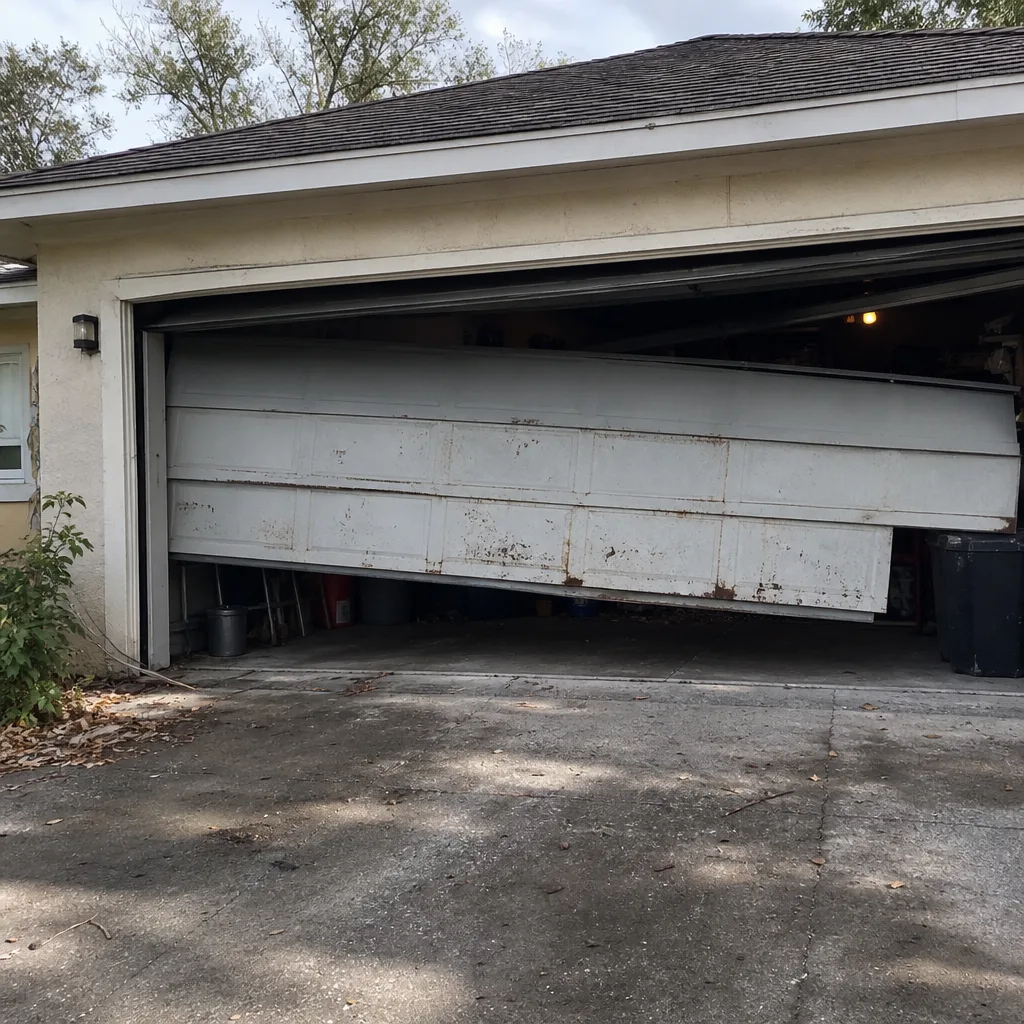 Before
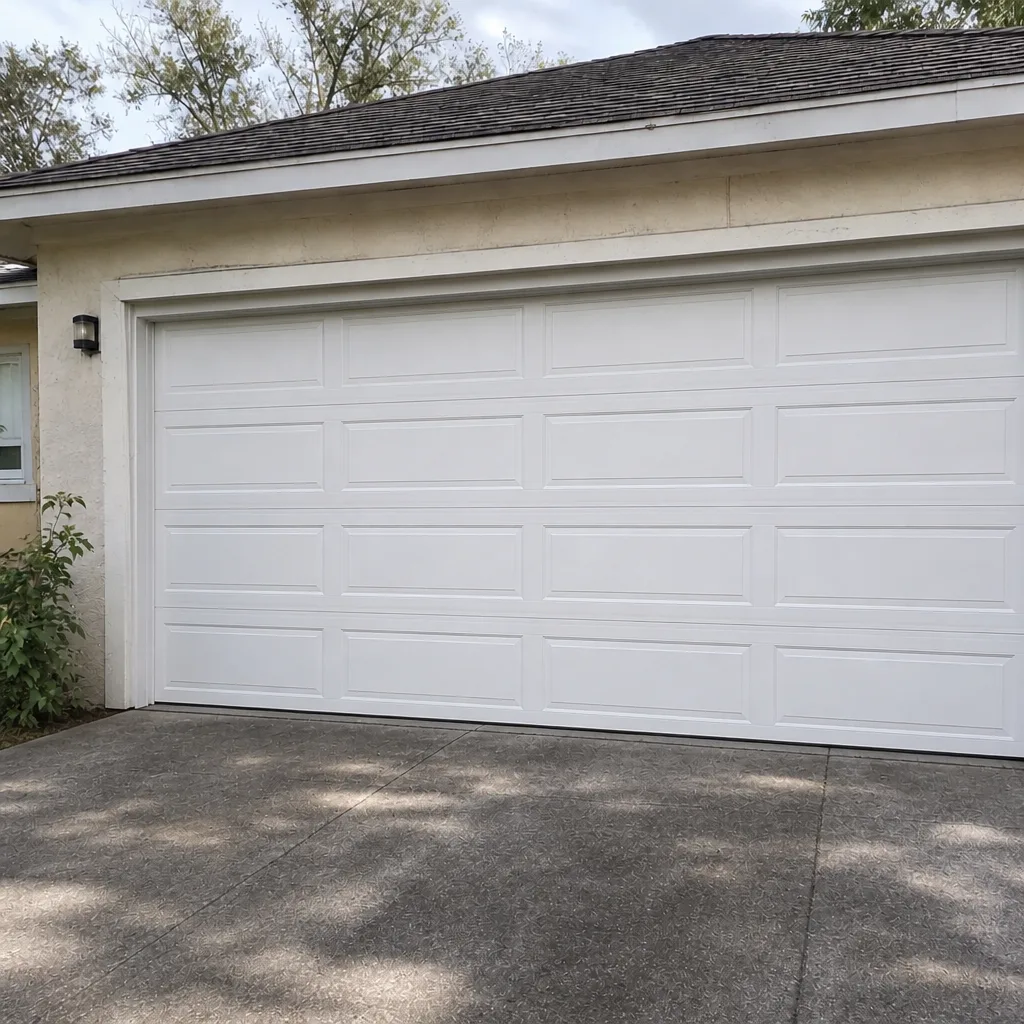 After
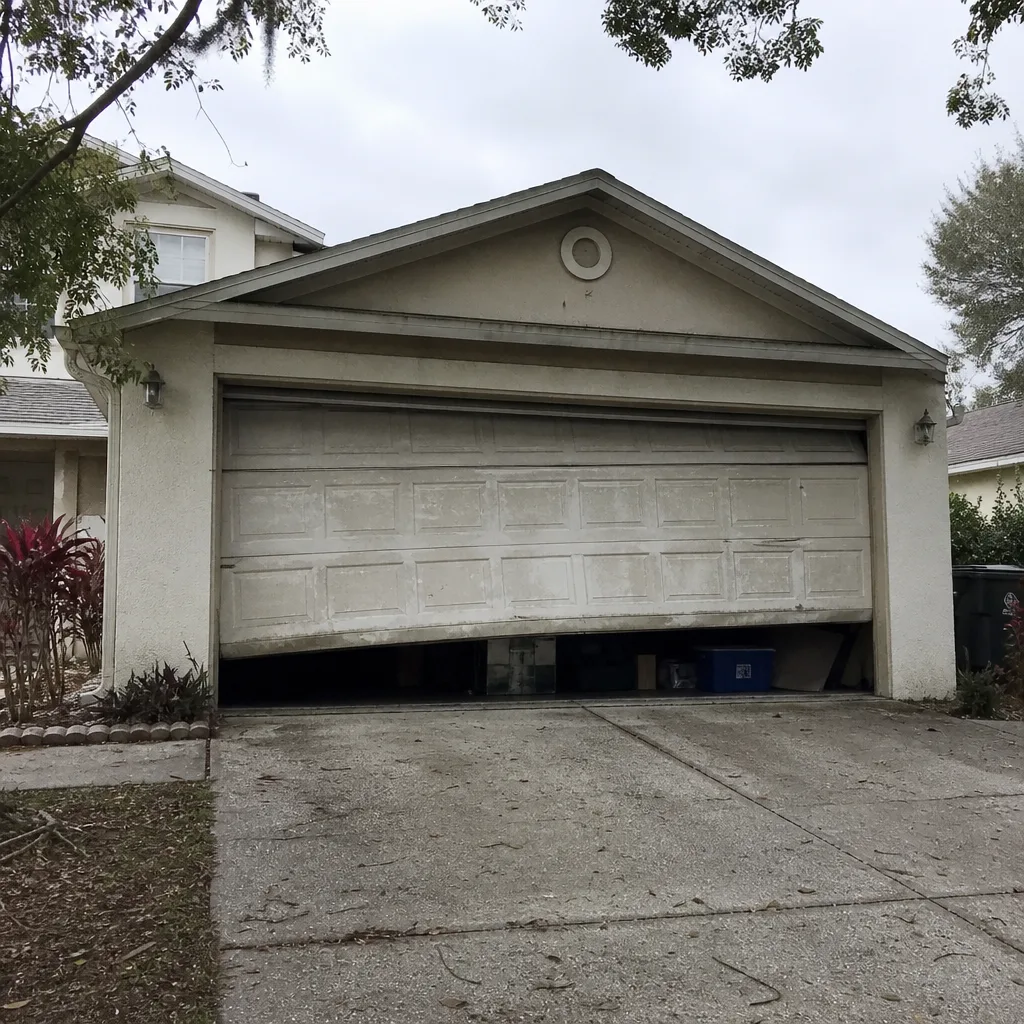 Before
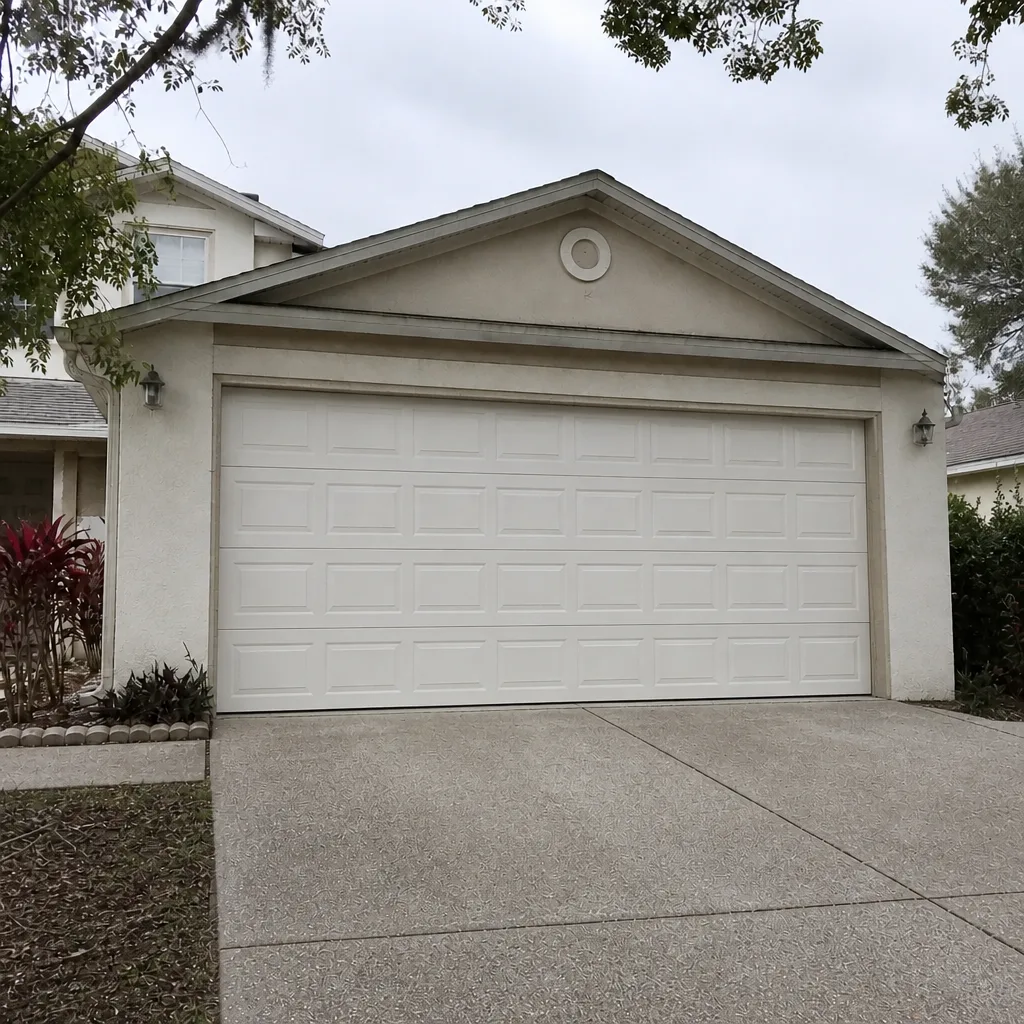 After
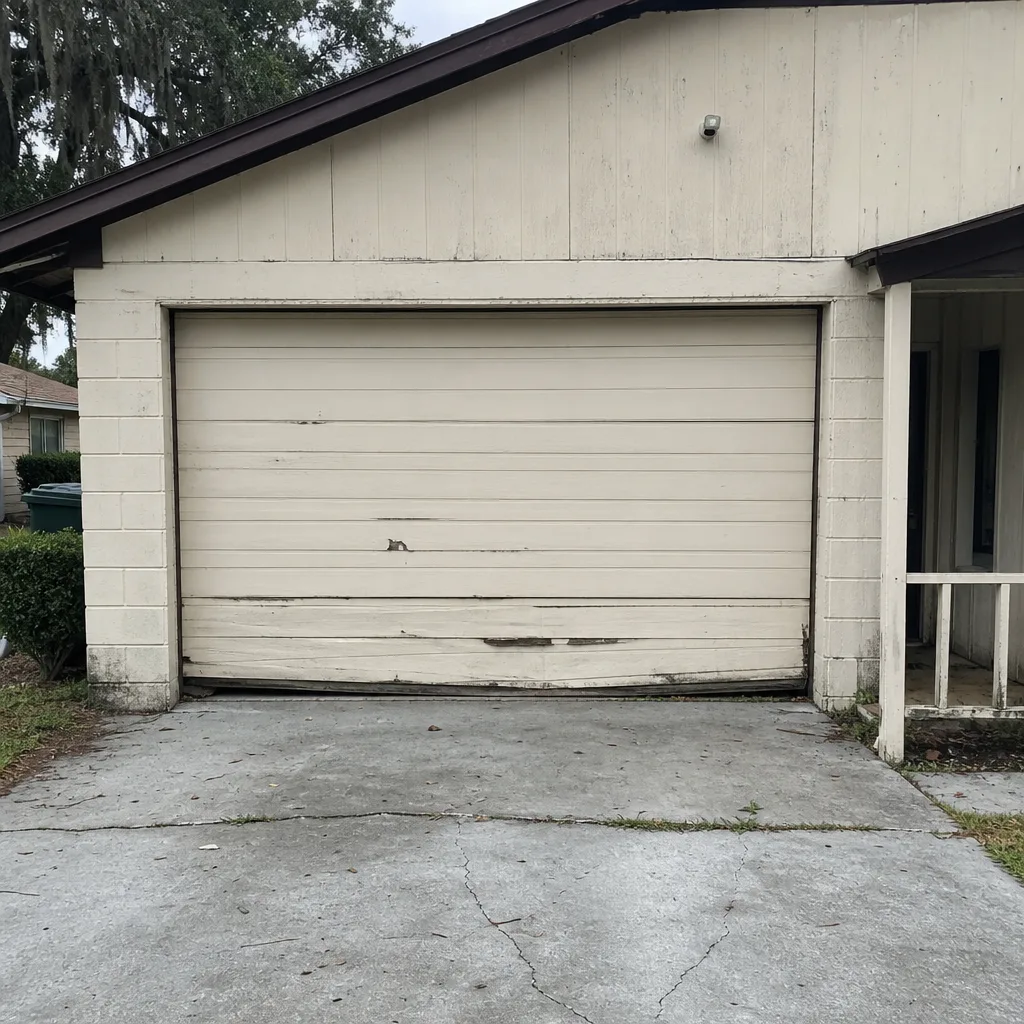 Before
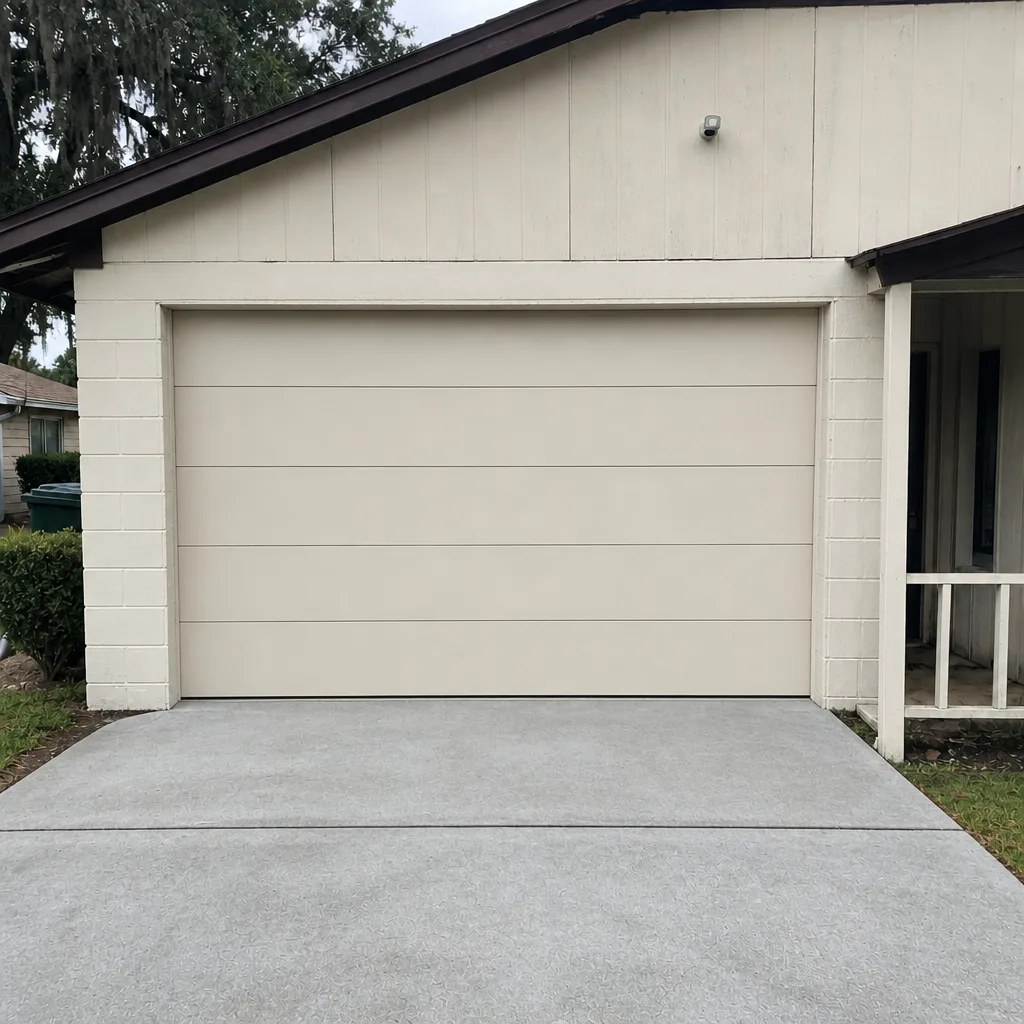 After
When to Call a Professional
Some garage door problems are a DIY conversation; the rest are calls. Call a professional if a spring has snapped or looks rusted, if a cable is loose or caught in the track, if the door is off its tracks or crooked, or if the opener is straining to lift the door. Those involve stored energy, tension, and moving weight – the kind of work where a mistake is dangerous. It’s also time to call when the door has stopped halfway and you can’t get your car out, or when the door won’t close and your garage is open to the street. Sanford Garage Door Repair Co offers free estimates in Sanford – call (855) 658-4309. We answer 24/7, with fast dispatch from 7am to 7pm, Sunday through Friday.
Frequently Asked Questions
Yes. Garage doors installed in Florida, including Sanford, must carry a Florida Product Approval number, and Sanford’s wind zone II location means the door is tested to specific design pressures. Verify the number on the department’s product approval search, and confirm the approval matches your door’s size and installation method. Ask for the number before you buy, and keep a copy on file.
Springs fail sooner in Sanford than in dry climates because steady humidity corrodes the wire and shortens its life. There’s no single lifespan – it depends on the coating, how often the door cycles, and whether the door stays balanced. The best defense is corrosion-resistant hardware and an annual inspection. If a spring looks rusted or the door won’t lift, call (855) 658-4309 for an estimate.
Yes. We handle both repair and installation, so an opener fix and a new door run through one shop. We’re certified to work on eight brands – LiftMaster, Chamberlain, Genie, Clopay, Amarr, Wayne Dalton, Craftsman, and Raynor – so a mixed opener and door setup is routine, not a problem. Call (855) 658-4309 to get both quoted together.
No. A new door is measured, ordered, and scheduled, so it’s not a same-day service. What we can promise is a free measure and a written estimate, so you know exactly what you’re getting and what it costs before you commit. Same-day service is reserved for repairs, not new installations. Call (855) 658-4309 for a free estimate.
No. We put the price in writing before any work starts, and the written estimate sets the final price. If we find something different once the door is open, we’ll tell you and get your approval before doing more work – no surprise charges. Call (855) 658-4309 for a free estimate.
The local pros we connect you with are licensed and insured as their state requires, and our technicians have up to 14 years of experience. Spring repair is one of the most safety-critical parts of the trade, and we treat it that way. Call (855) 658-4309 to book an estimate.
The Bottom Line
Sanford’s climate and code make the generic garage door advice incomplete. Start with a Florida Product Approval number for any new door, insist on corrosion-resistant springs and hinges, and treat steel gauge as more important than R-value in a non-climate-controlled garage. Keep an eye on sun-facing panels for chalking and have the door balanced and lubricated each year. When something fails, choose a shop that services any brand, handles springs as serious work, and puts the price in writing before starting. Get those choices right and the door you buy in Sanford will hold up for years longer than a door chosen by national defaults.
Contact Us
If you’re ready for a repair, a new opener, or a full installation, call Sanford Garage Door Repair Co at (855) 658-4309 for a free estimate. We answer 24/7, with fast dispatch from 7am to 7pm, Sunday through Friday. We quote the price in writing and agree it with you before any work starts, so you know the number before we open the door.
Written by the team at Sanford Garage Door Repair Co.