
Last updated November 22, 2026
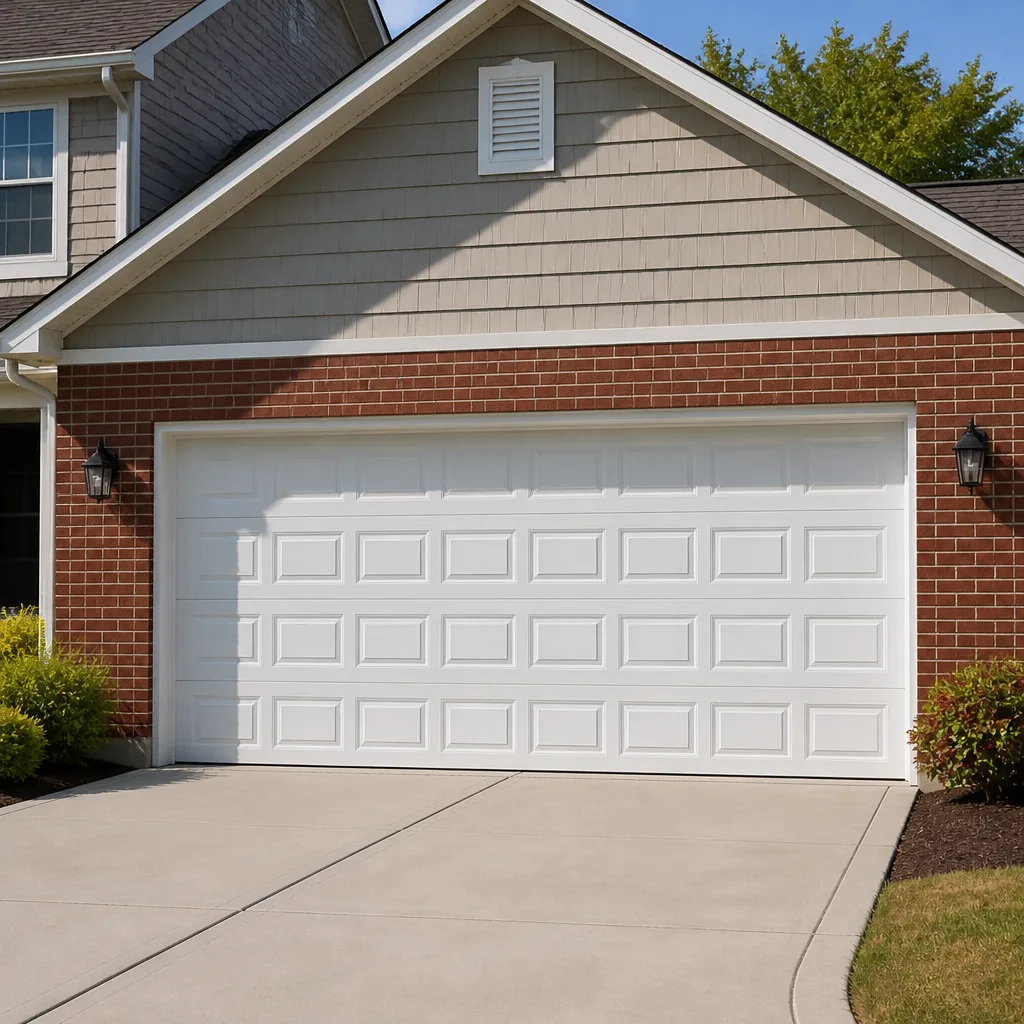 Raised-panel steel
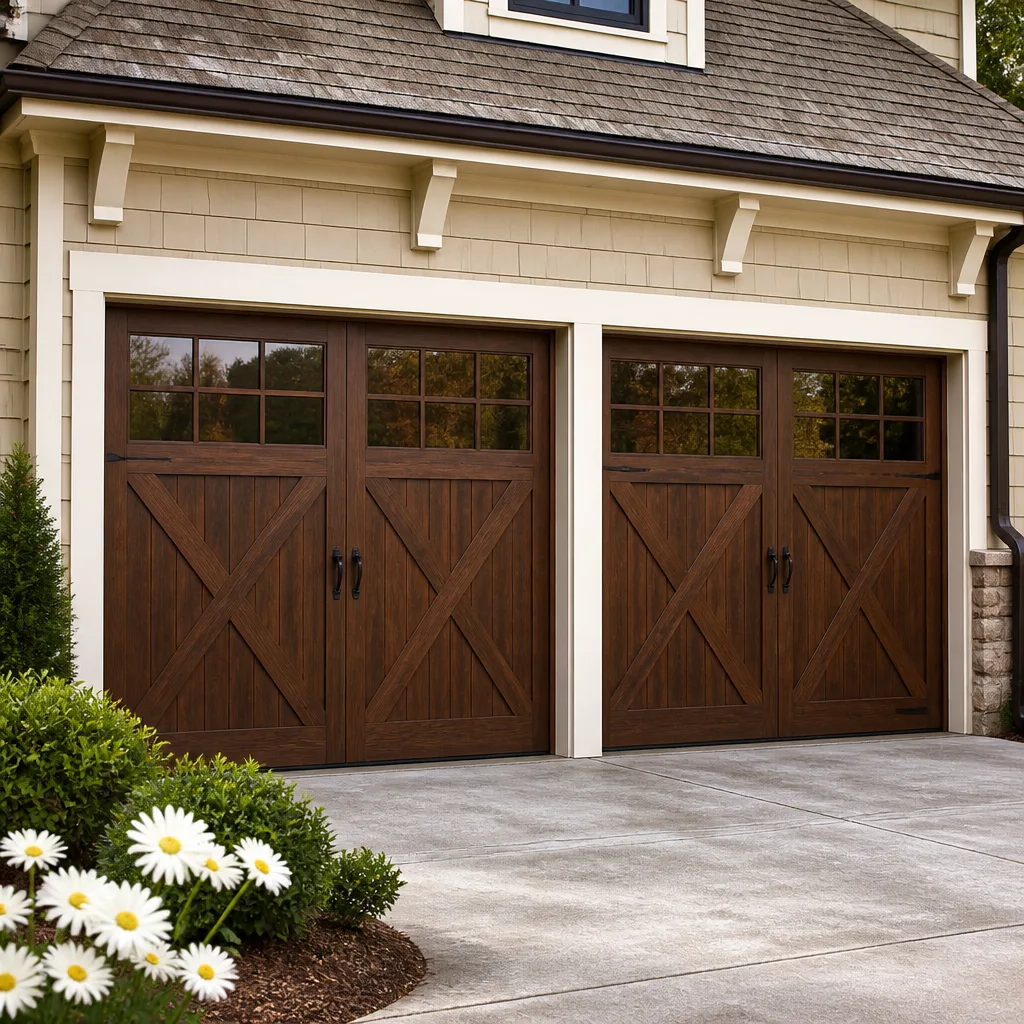 Carriage house
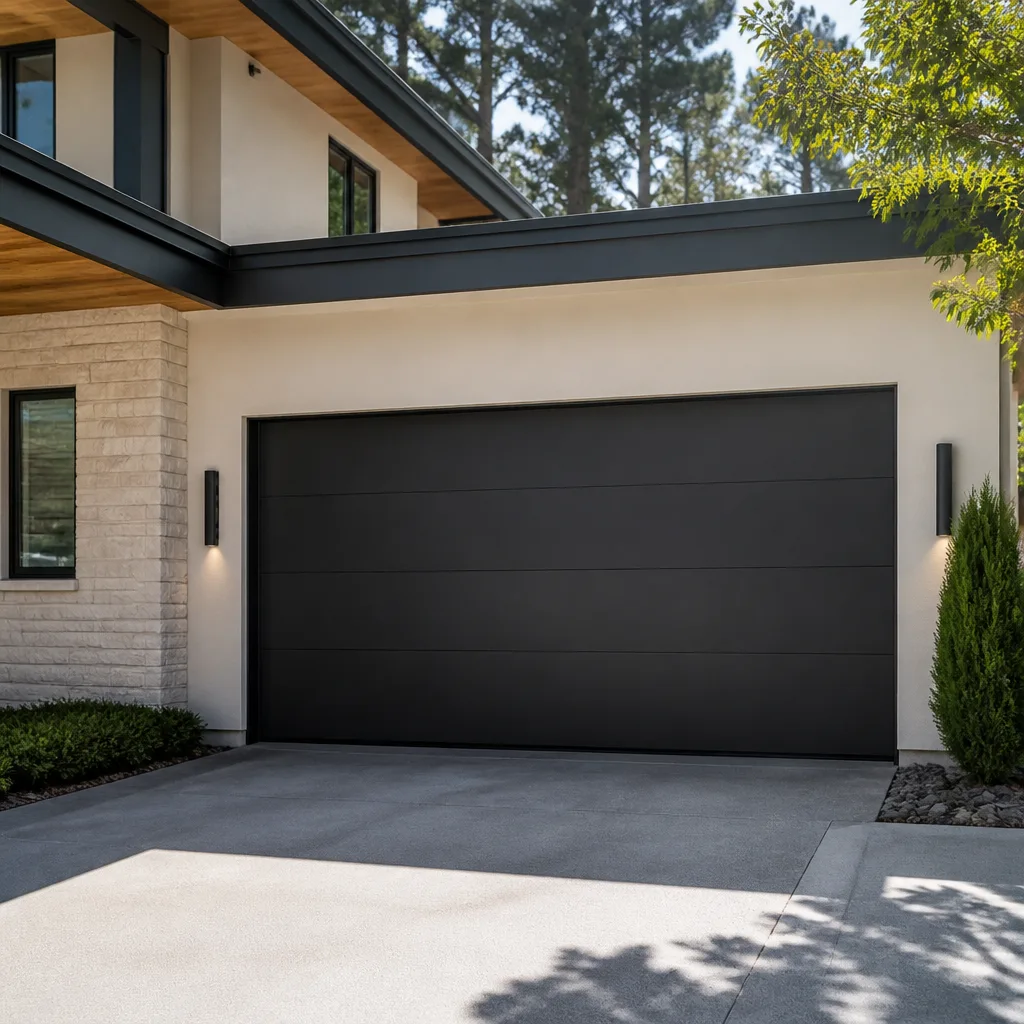 Modern flush
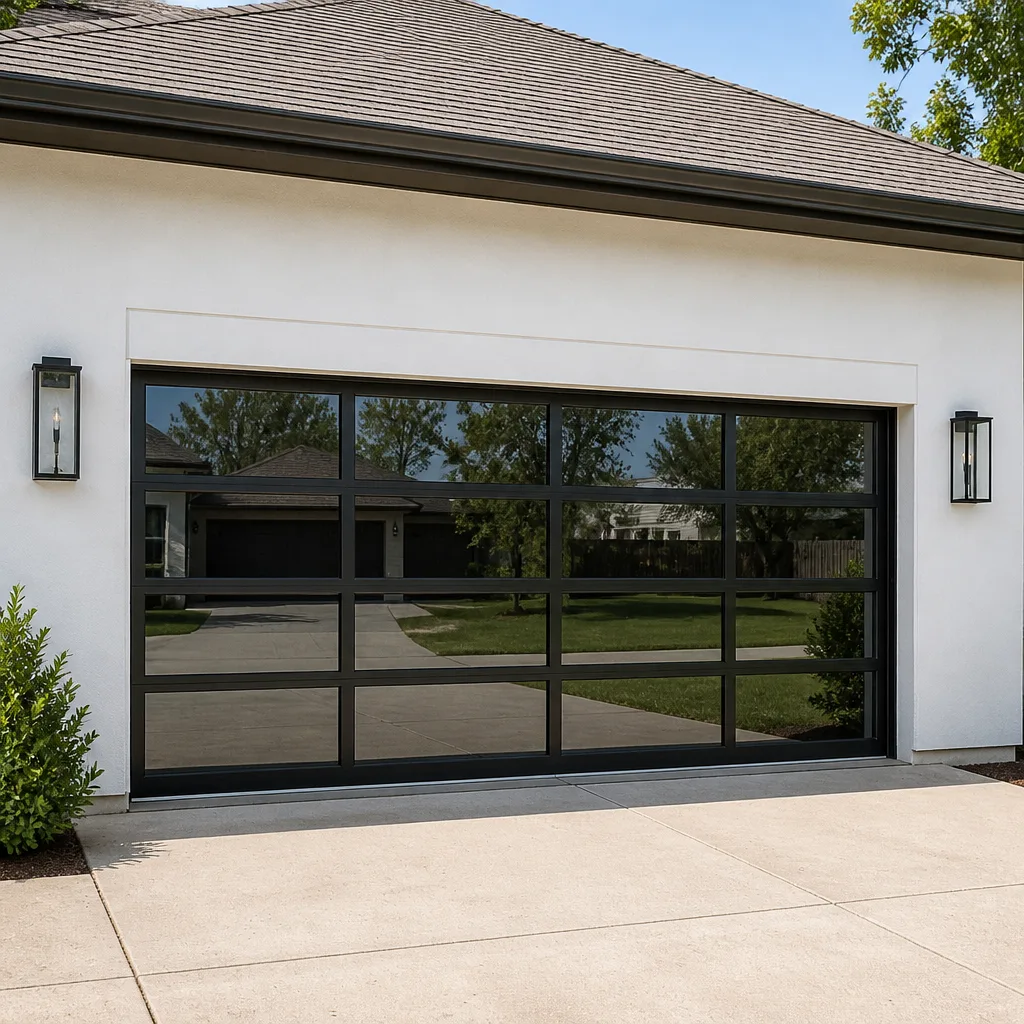 Full-view glass
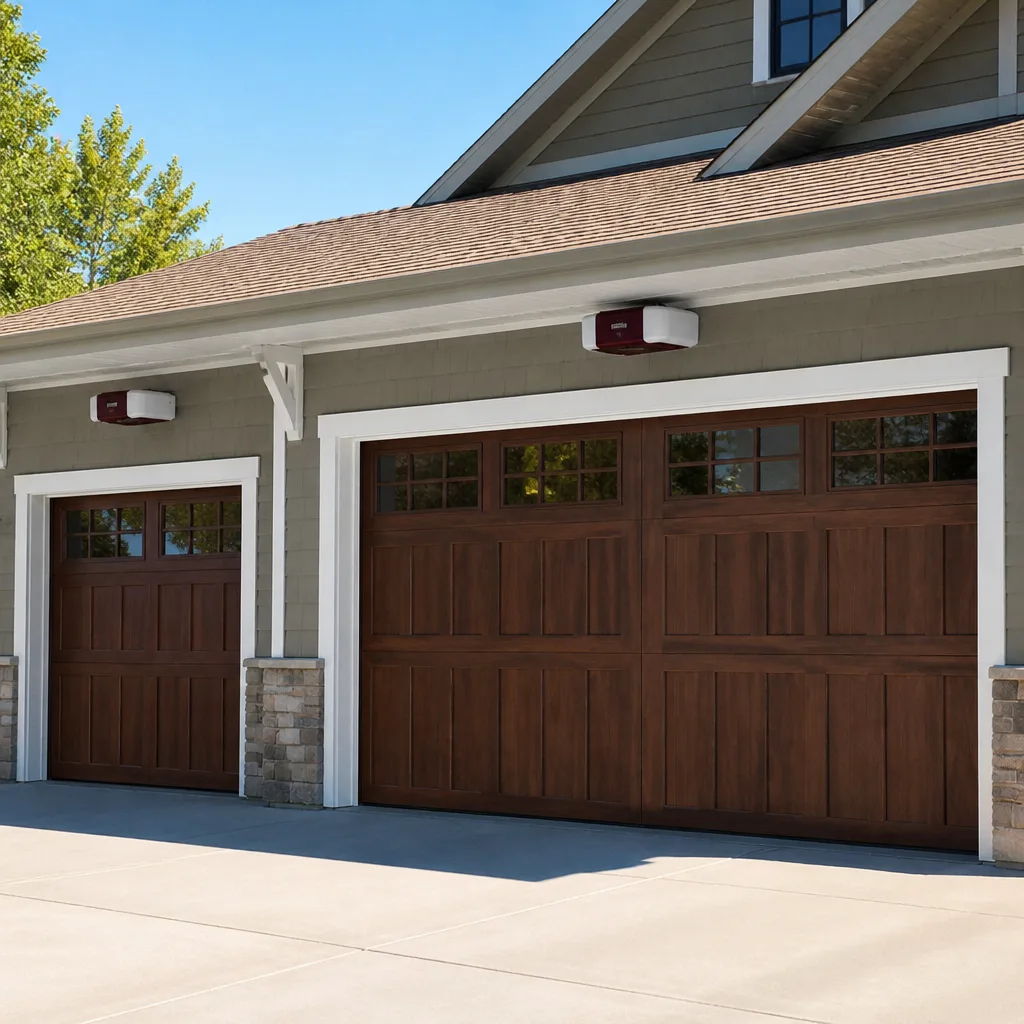 LiftMaster openers
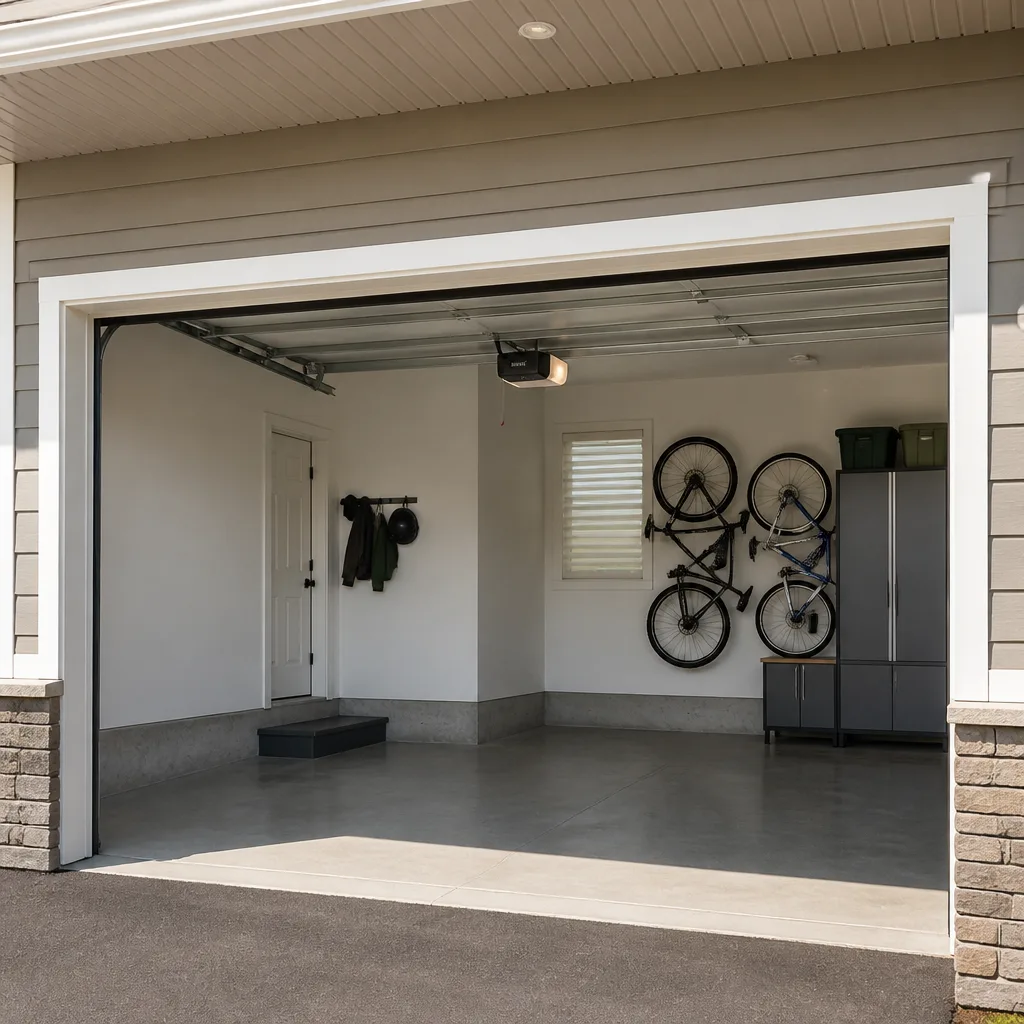 Chamberlain openers
Full 25-point door and opener safety check with every visit - springs, cables, rollers, tracks, and your LiftMaster or Chamberlain opener included
You get a price before we start. It does not change when the pro arrives.
Get your free estimateGarage Door Emergency Preparedness Guide for Sanford Homes
Most Sanford homeowners prepare for storms by thinking about the roof, the windows, and the trees. The garage door rarely makes the list. Yet in our experience, the calls that come in after severe weather in Central Florida are less often about a blown-out door panel and more often about a door nobody can open by hand. A homeowner who has never pulled the red release cord, standing under a spring that quietly failed weeks ago, is the real emergency. This guide walks through the scenarios that actually happen here, from power outages and lightning-damaged openers to a broken spring with the car trapped inside, and shows you how to rehearse the safe response before you need it.
Quick Answer
Emergency garage door preparedness in Sanford comes down to four habits: testing your manual release before an outage, choosing an opener with battery backup rated for Florida heat, knowing the two-person manual lift protocol when a spring breaks with a car inside, and understanding that a non-rated door with a bracing kit is a partial measure, not a wind-rated door. Rehearse each one on a calm day so the real event is routine, not a scramble. For anything involving springs, cables, or torsion hardware, call a trained technician rather than attempting it yourself.
Styles & brands we work with
- Raised-panel steel
- Carriage house
- Modern flush
- Full-view glass
- LiftMaster openers
- Chamberlain openers
Table of Contents
- Why You Should Practice Manual Operation Before You Need It
- Choosing a Battery Backup Opener for Sanford’s Heat
- What to Do Immediately When a Spring Breaks With a Car Inside
- Lightning Strikes and Your Opener: What to Check First
- Pre-Storm Reinforcement: Bracing Kits vs. a Wind-Rated Door
- Power Outage Playbook for Sanford Homes
- Building an Annual Garage Door Emergency Drill
Why You Should Practice Manual Operation Before You Need It
The red emergency release cord hanging from your opener trolley is the single most misunderstood piece of hardware in the garage. It disengages the door from the motor so you can lift it by hand. Most homeowners have never pulled it. In our experience, that’s exactly why so many Sanford calls after a storm start with the phrase “I can’t get the door open.”
Practicing manual operation is a dry run, not a repair, and it takes about ten minutes. Here’s how we walk homeowners through it safely:
- Close the door fully and stand clear of the springs, cables, and hinges.
- Pull the red release cord straight down until you hear the trolley click free. Don’t yank it.
- Lift the door slowly by the bottom handle. A properly balanced door should rise with moderate, even effort. If it feels heavy or drops, stop.
- Lower it gently and re-engage the trolley by running the opener until it clicks back into the carrier.
If the door is hard to lift or slams down when you let go, the springs or balance are off and the door shouldn’t be operated manually until a technician looks at it. Garage door springs are under extreme tension and store enormous energy; a door that won’t hold itself up is telling you something is wrong with that hardware, not with your technique. This is not a DIY repair. For routine garage door repair around balance and spring issues, we can measure the door and tell you exactly what’s wrong before any work starts.
One more thing Sanford homeowners should know: the release cord only works if the trolley is free. If the door is jammed and the opener is still engaged, pulling the cord won’t help, and forcing it can damage the opener. That’s the moment to stop and call.
Choosing a Battery Backup Opener for Sanford’s Heat
If your opener dies during a multi-day outage, a battery backup keeps the door working when the grid doesn’t. The catch is that Central Florida heat is hard on batteries. A backup battery that performs well in a cool garage may hold noticeably less charge through a hot Sanford summer, so pay attention to the battery type before you buy.
Here’s what matters when you’re choosing:
- Battery chemistry. Sealed lead-acid and lithium-ion are the two main types in residential openers. Lithium-ion generally holds charge better in heat and lasts longer between replacements, though it costs more upfront.
- Runtime. Backup openers typically deliver a limited number of open/close cycles during an outage, not unlimited use, so treat it as an emergency reserve. Use it sparingly and keep the door closed to preserve cycles.
- Charging behavior. Most backup systems recharge when power returns. Batteries held at full charge in a hot garage age faster, so an annual check is worth the effort.
- Brand compatibility. Not every battery module fits every opener. We work on LiftMaster, Chamberlain, Genie, and Craftsman systems and can confirm which backup module matches what you have.
Battery runtime also depends on door weight and balance. A door that’s out of adjustment pulls more current, draining the backup faster. If you’re already investing in backup, it’s worth having the door checked for balance and having your garage door opener repair needs addressed at the same time. In Sanford, where summer heat is steady and storms knock out power, an opener that can’t run manually and has no backup is a door you can’t use for however long the outage lasts. Our technicians have up to 14 years of experience with this equipment and can tell you precisely what your existing unit can and can’t do.
What to Do Immediately When a Spring Breaks With a Car Inside
When a torsion spring snaps, it usually announces itself with a loud bang. The door becomes extremely heavy, the opener may run but the door won’t move, and if your car is inside the garage you’re stuck. This is the most common genuinely urgent garage door scenario, and it happens far more often than storm damage.
The safe response is a two-person manual lift, and it requires care. Here’s the protocol:
- Unplug the opener. You don’t want the motor fighting you or re-engaging the trolley mid-lift.
- Pull the red release cord to disengage the trolley from the door carrier.
- Get a second adult. A door with a broken spring can weigh far more than its rated balance; never lift alone.
- Lift from the bottom panel with both hands, evenly, one person on each side within arm’s reach of the door. Rise together and go slowly.
- Once the door is high enough for the car to clear, have one person hold the door while the other moves the car out. Do not let go of a raised door with a broken spring; it has nothing holding it up.
- Lower the door carefully and leave it closed until a technician arrives. Do not run the opener on a broken spring.
If you can’t lift the door safely, don’t force it. Call us and we’ll talk you through your options. We offer dedicated emergency garage door service for exactly this situation, so you’re not stuck waiting for a general handyman who doesn’t handle torsion work.
Spring replacement is always a pair job in practice. If one spring of a matched pair has broken, the other has taken up the load and is likely near the end of its life. Replacing one spring now usually means replacing the second soon after, so a pair is the standard approach and typically costs about twice a single spring. South-facing garages in Sanford take on more heat through the afternoon, which can shorten spring life; keeping the door balanced and lubricated helps it last.
Lightning Strikes and Your Opener: What to Check First
Lightning doesn’t have to hit your house directly to damage a garage door opener. A near-strike surge along the power line or through the low-voltage control wire is enough to fry the opener’s logic board. In our experience, a dead opener after a storm is one of the most common Sanford calls we get, and it’s frequently the only thing that failed.
Before assuming the opener is dead, check these in order:
- The outlet. Test the outlet your opener plugs into with a lamp or phone charger. If the outlet is dead, it’s a house circuit issue, not the opener.
- The breaker. Look for a tripped breaker at the panel. A tripped breaker after a storm often points to a surge. If it trips again after you reset it, stop and get an electrician involved; electrical panels and wiring are not a safe DIY area.
- The wall control and safety sensors. If the door runs from the wall button but not the remote, or the safety sensors are dark, the problem may be a sensor or control wire rather than the opener itself.
- The opener’s indicator light or display. Many openers show a diagnostic code. Note it before calling so we can identify the issue faster.
What does a surge protector actually do for a 120V opener circuit? It clamps voltage spikes at the outlet, absorbing or diverting excess energy before it reaches the opener. It won’t stop a direct lightning strike, but it can protect against the smaller surges that come through the grid during nearby storms. A whole-home surge protector at the panel offers broader protection. In either case, the protection is a layer, not a guarantee.
If your opener is showing a surge-related failure, we service LiftMaster, Chamberlain, Genie, Craftsman, and Raynor equipment and can often identify whether it’s a repairable part or a whole-unit replacement. Sometimes the fastest path is a new opener with built-in surge handling, which we handle as a same-visit job. And if you’re ready to upgrade rather than repair, we do full garage door installation so you’re not hunting for a second contractor.
Pre-Storm Reinforcement: Bracing Kits vs. a Wind-Rated Door
Horizontal bracing kits are the most common upgrade homeowners ask about before storm season in Sanford. They add horizontal reinforcement to the inside of an existing door to resist wind pressure. They’re a real improvement, but it’s important to be honest about what they do and don’t do: a bracing kit does not turn a standard door into a wind-rated door.
Here’s the difference:
- Bracing kits stiffen the door against lateral pressure and help it hold its shape. They’re a practical step for an existing door and are relatively affordable. They do not change the door’s tested wind rating, and they don’t address the track, hinges, or anchor strength of the garage itself.
- Wind-rated doors are tested and labeled to a specific design pressure. They’re built with stronger panels, heavier hardware, and reinforced anchors, and they’re installed as a system with the surrounding structure.
The honest limitation: a bracing kit on a standard door improves durability but does not give you the protection of a rated door. If your priority is real load-rated protection, the door replacement is the more complete answer, and we can talk through options from Amarr, Clopay, Wayne Dalton, and Raynor. Clopay and Amarr both offer door lines with wind-rating options, and we can walk you through which models suit your garage’s construction.
Either way, reinforcement should be paired with a check of the door’s balance, hinges, and anchors. A door that’s out of adjustment before a storm is more likely to fail during one. In Sanford, storm season runs alongside the heat, so a door that’s already straining to move needs attention before the first serious system rolls through.
Power Outage Playbook for Sanford Homes
Power outages in Sanford aren’t always storm-related, but storms make them longer and more common. Here’s how to handle an outage that leaves your garage door stuck.
- Check the opener first. If your opener has battery backup, the door should operate for a limited number of cycles. Use it sparingly and keep the door closed when possible.
- If there’s no backup, use manual release. Pull the red cord, disengage the trolley, and lift the door by hand. Confirm the door is balanced before relying on manual operation.
- Don’t leave the door disengaged. A disengaged door isn’t locked by the opener. If the door is up, use the manual lock or a slide bolt to secure it, and don’t rely on the opener’s lock.
- Re-engage when power returns. Run the opener until the trolley clicks back into the carrier, then test the door through a full cycle before trusting it.
- Watch for a dead opener after power returns. If the door won’t move when power is back, check the outlet and breaker first, then call us.
A security note: when the door is disengaged and the house is unoccupied, the garage is open to the street. During a multi-day outage, that matters. We answer 24/7, and fast dispatch from 7am to 7pm, Sunday through Friday, so we can get a technician out to secure the door or replace a dead opener quickly once power is back. A failed lock or opener after an outage is often a same-day fix.
Building an Annual Garage Door Emergency Drill
The best time to practice pulling the release cord is on a mild afternoon with nothing else going on. Once a year is enough, and the routine takes less than half an hour. Run through it with everyone in the household who might need to operate the door.
- Test the manual release and re-engage the trolley.
- Check the balance: lift the door halfway and let go. It should hold roughly in place. If it drops or rises, call a technician.
- Listen for the spring. A door that’s suddenly noisy or hard to lift is telling you the spring is on its way out. Don’t wait for it to fail.
- Test the battery backup if you have one. Note how many cycles it delivers and replace the battery on schedule.
- Inspect the safety sensors and the wall control. Look for cracked wire insulation, loose brackets, or a sensor that’s been bumped out of alignment.
- Record your door’s brand and model. If you call for help, this speeds up everything. We work on LiftMaster, Chamberlain, Genie, Clopay, Amarr, Wayne Dalton, Craftsman, and Raynor systems, so most homes in Sanford are covered.
Write the date of your drill on a note in the garage and repeat next year. A prepared door isn’t just safer; it’s the difference between a twenty-minute fix and a multi-day outage with your car stuck inside.
Common Mistakes to Avoid
- Pulling the release cord for the first time during an emergency. Practice on a calm day so you know the trolley disengages smoothly and you know how much the door weighs in your hand.
- Lifting a broken-spring door alone. A door with a failed spring can be far heavier than its balanced weight. Use two adults and lift slowly and evenly.
- Assuming a bracing kit makes your door wind-rated. Kits add stiffness, but they don’t change the door’s tested rating. If a rated door is what you need, plan for replacement.
- Skipping the outlet and breaker check when an opener dies after a storm. Many “dead opener” calls turn out to be a tripped breaker or a dead outlet, and inspecting that first saves a service trip.
- Running the opener on a broken spring. The motor will strain, the door won’t lift, and you can damage the opener along with the door.
- Relying on the opener’s lock during an outage. When the door is disengaged, the opener’s lock does nothing. Use a manual lock or bolt during a long outage.
- Ignoring a noisy or slow door before storm season. In Sanford, where a storm can arrive with little warning, a door that’s already out of adjustment is the first to fail.
See the difference
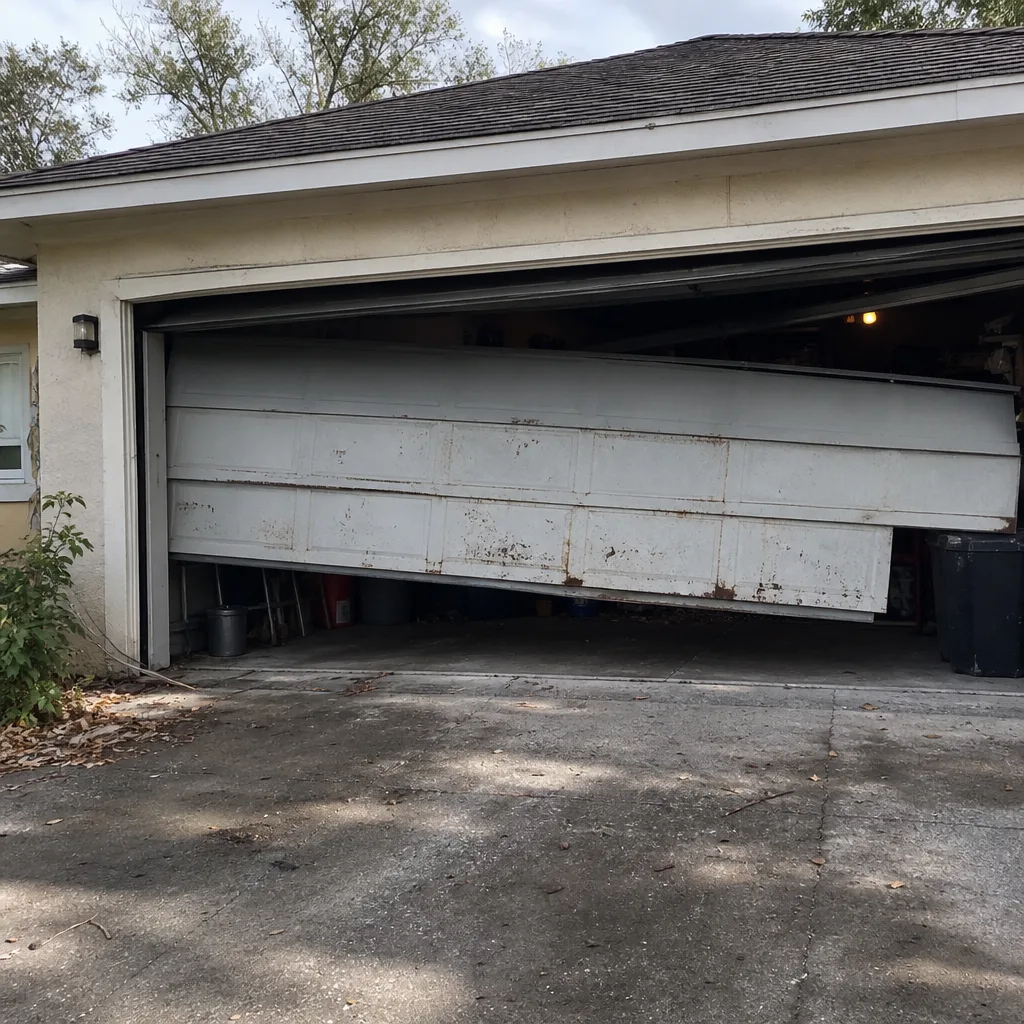 Before
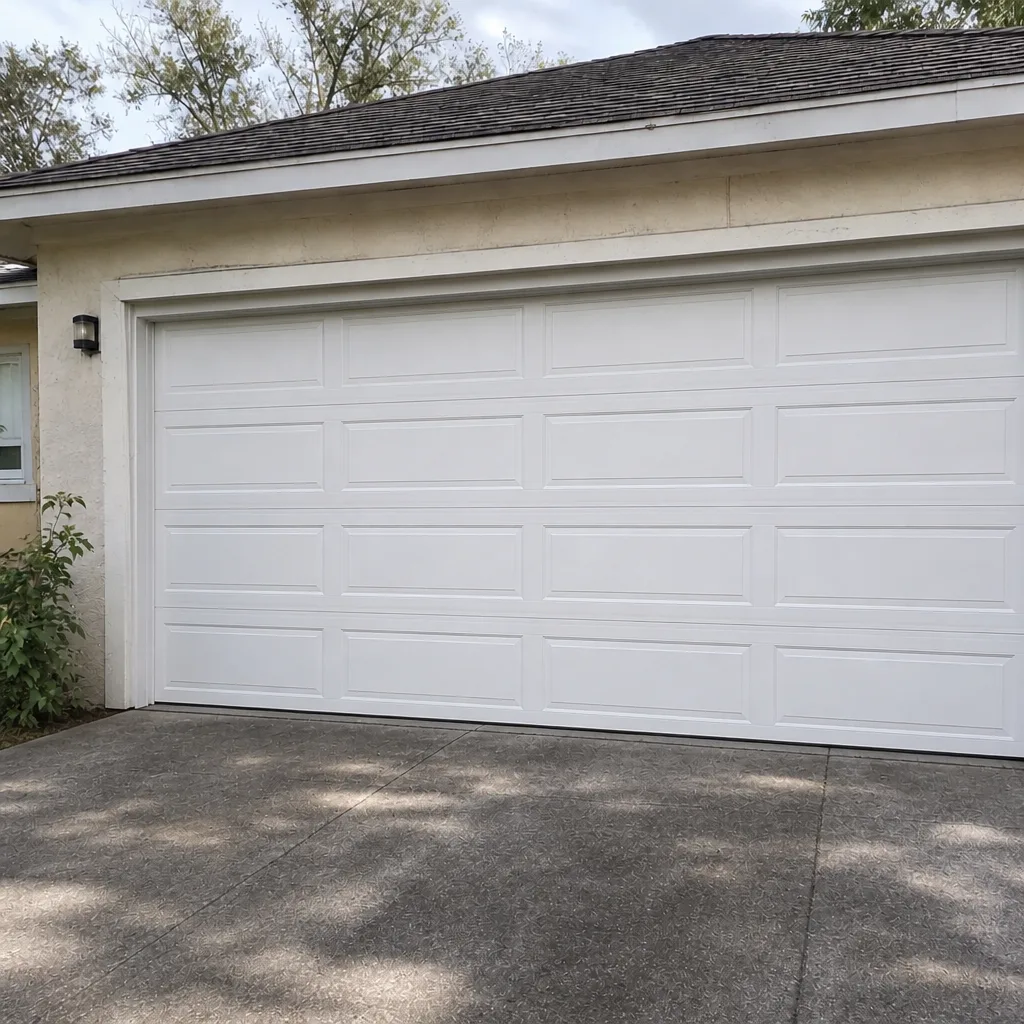 After
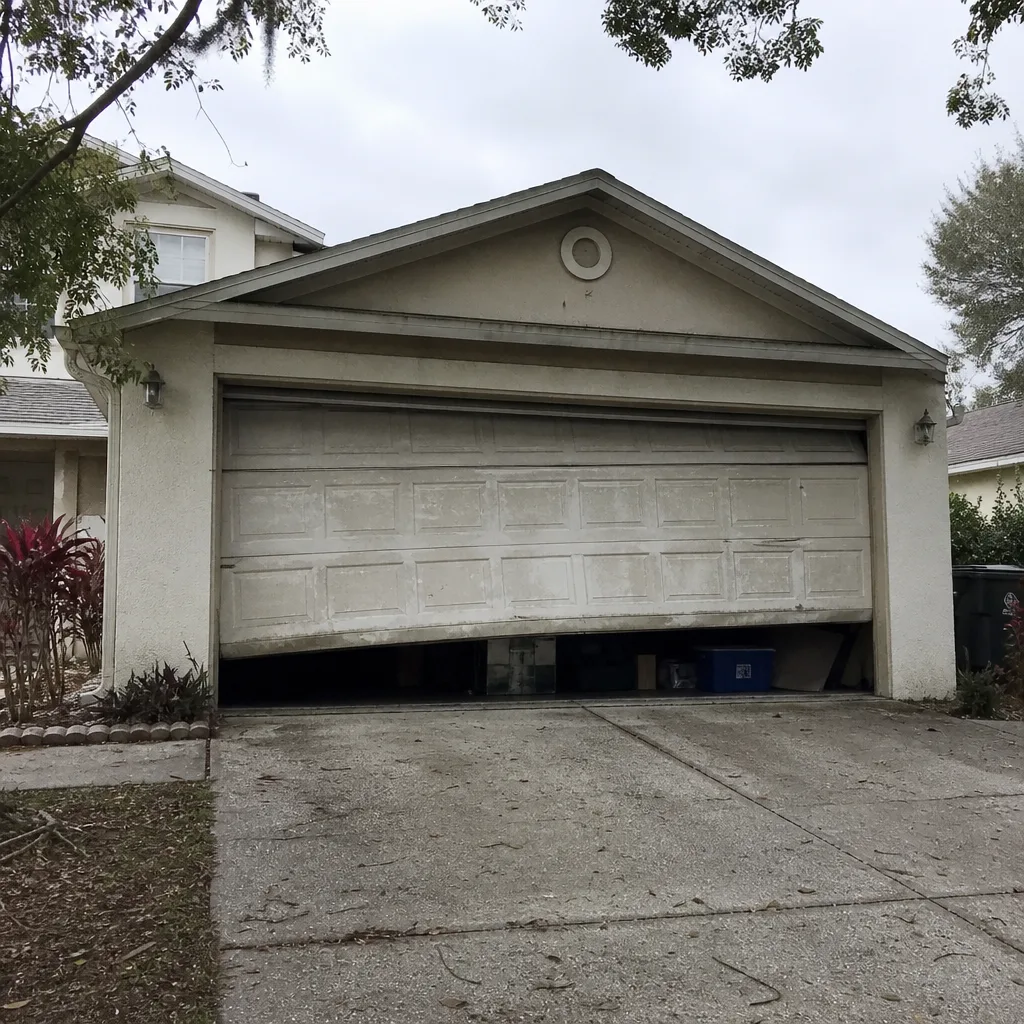 Before
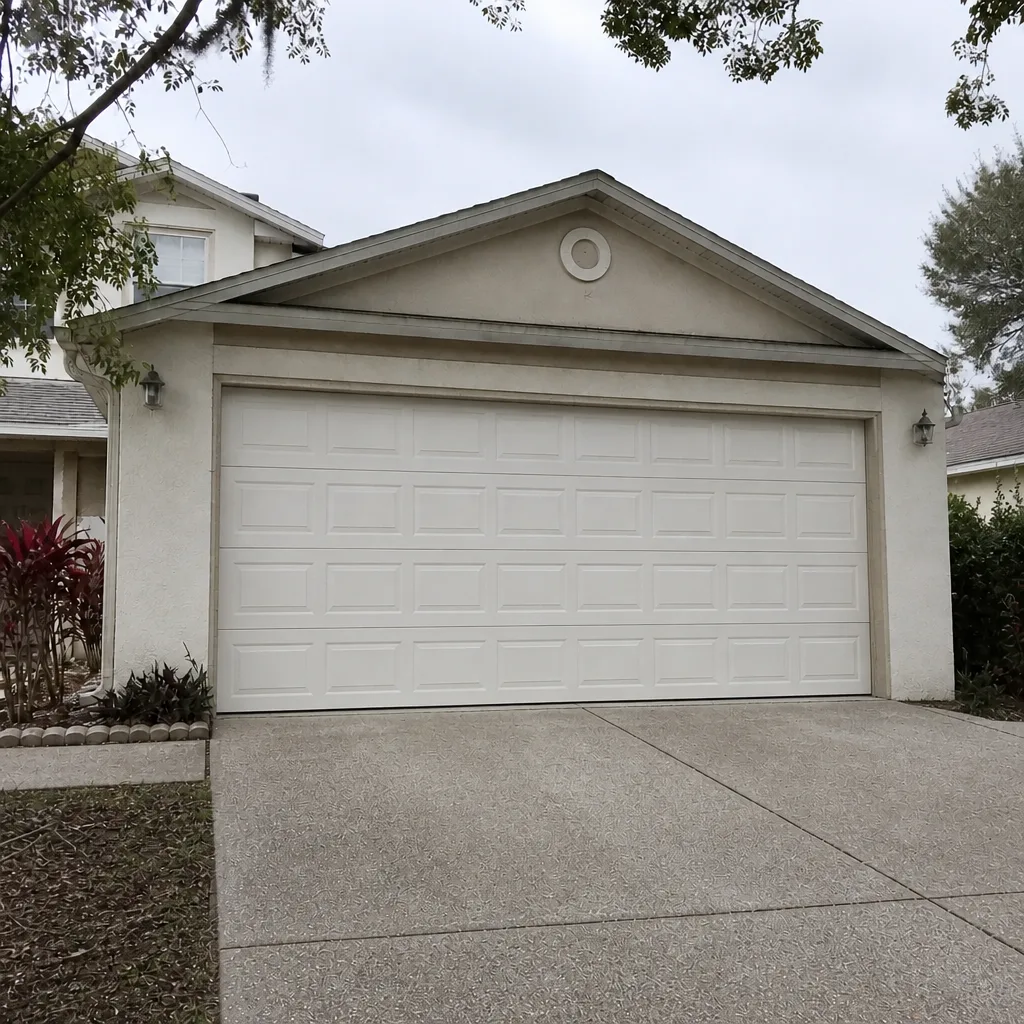 After
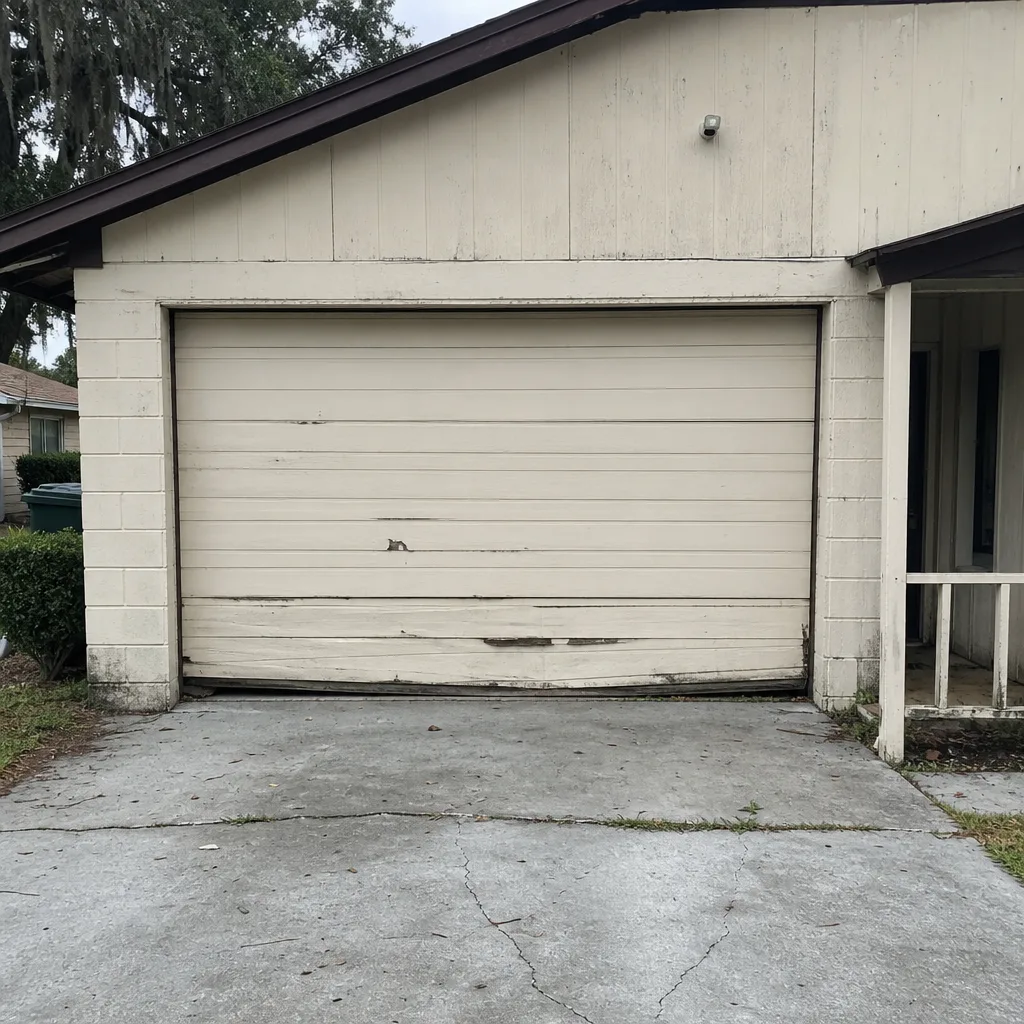 Before
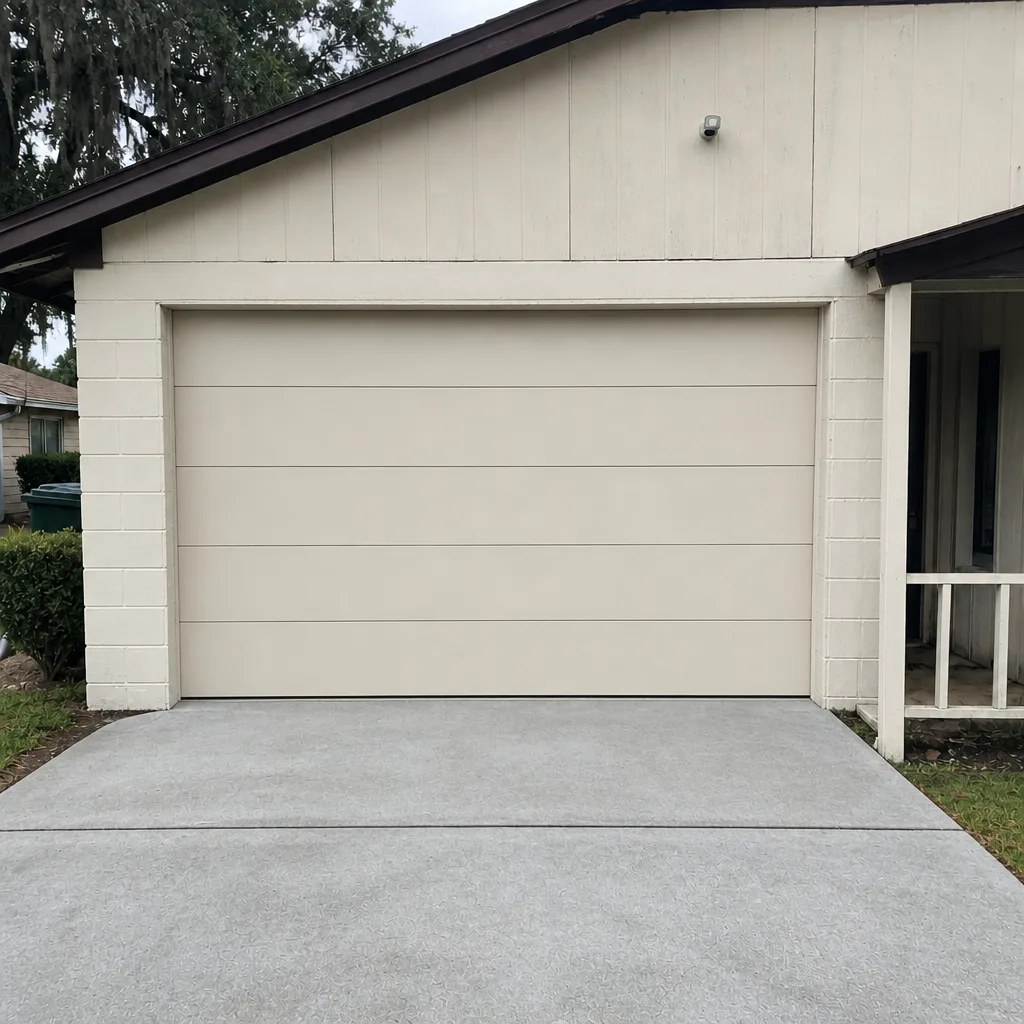 After
When to Call a Professional
Call us when the door won’t lift, when the spring has broken, when the opener runs but the door doesn’t move, or when a door dies after a storm and the outlet and breaker are both fine. Call when a door won’t stay balanced after you release it, when a manual release won’t re-engage, or when the door has been acting strange since the last power outage. All of these are cases where the hardware needs eyes on it, and spring and cable work in particular is not safe to attempt yourself.
Sanford Garage Door Repair Co offers free estimates in Sanford, and the price is quoted and agreed before any work starts. Call (855) 658-4309. We answer 24/7. Fast dispatch from 7am to 7pm, Sunday through Friday.
Frequently Asked Questions
Pull the red emergency release cord to disengage the opener trolley, then lift the door by hand from the bottom panel. If the door feels very heavy or won’t stay up, the spring may be broken, and you should call a technician rather than force it. Our technicians can guide you through the safe steps over the phone when you call (855) 658-4309.
Yes, and it’s one of the most common urgent situations we see. The safe fix is a two-person manual lift: unplug the opener, pull the release cord, lift the door evenly from the bottom with one person on each side, and hold it up while the other person moves the car. Never lift alone or let go of a raised door with a broken spring.
No. A horizontal bracing kit stiffens and supports your existing door, but it does not change the door’s tested wind rating. If real rated protection is the goal, a wind-rated door replacement is the complete answer, and we can talk through rated options from Clopay, Amarr, Wayne Dalton, and Raynor.
A near-strike surge through the power line or control wire can damage the opener’s logic board even without a direct hit. Check the outlet and breaker first before assuming the opener itself is dead, then call us with the diagnostic code. We service LiftMaster, Chamberlain, Genie, Craftsman, and Raynor openers.
Spring repair is priced per spring, and because matched pairs are usually replaced together, a pair typically costs about twice a single spring. The written estimate sets the final price, and it’s quoted and agreed before any work starts. Call (855) 658-4309 for a free estimate.
Same-day repair covers most opener and spring problems we handle on the first visit. New door installation and replacement are measured, ordered, and scheduled, so we won’t promise same-day turns for those. Call us for a free measure and a written price.
The Bottom Line
The emergency that actually hits most Sanford homes isn’t a storm-driven panel blowout; it’s a power outage, a broken spring with the car inside, or an opener killed by a nearby lightning strike. Preparedness comes down to a handful of habits you can practice on a calm day: test the manual release, keep your door balanced, choose an opener with battery backup rated for Florida heat, and know the two-person manual lift protocol. For anything involving springs, cables, or torsion hardware, call a trained professional. That’s what we do, and it’s the only trade we focus on.
Sanford Garage Door Repair Co repairs and installs for LiftMaster, Chamberlain, Genie, Clopay, Amarr, Wayne Dalton, Craftsman, and Raynor systems, from a single spring to a full new door. Call (855) 658-4309 for a free estimate. We answer 24/7. Fast dispatch from 7am to 7pm, Sunday through Friday.
Written by the team at Sanford Garage Door Repair Co.