
Last updated November 22, 2026
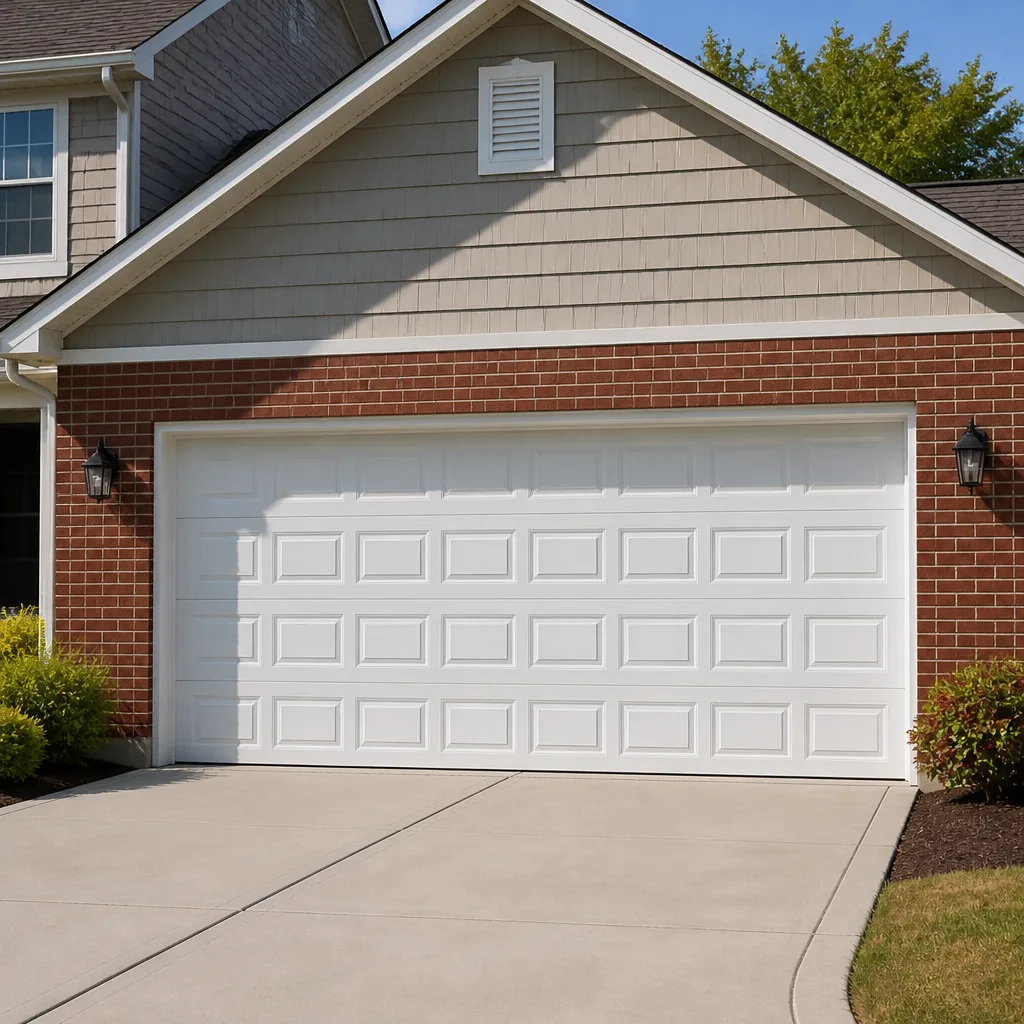 Raised-panel steel
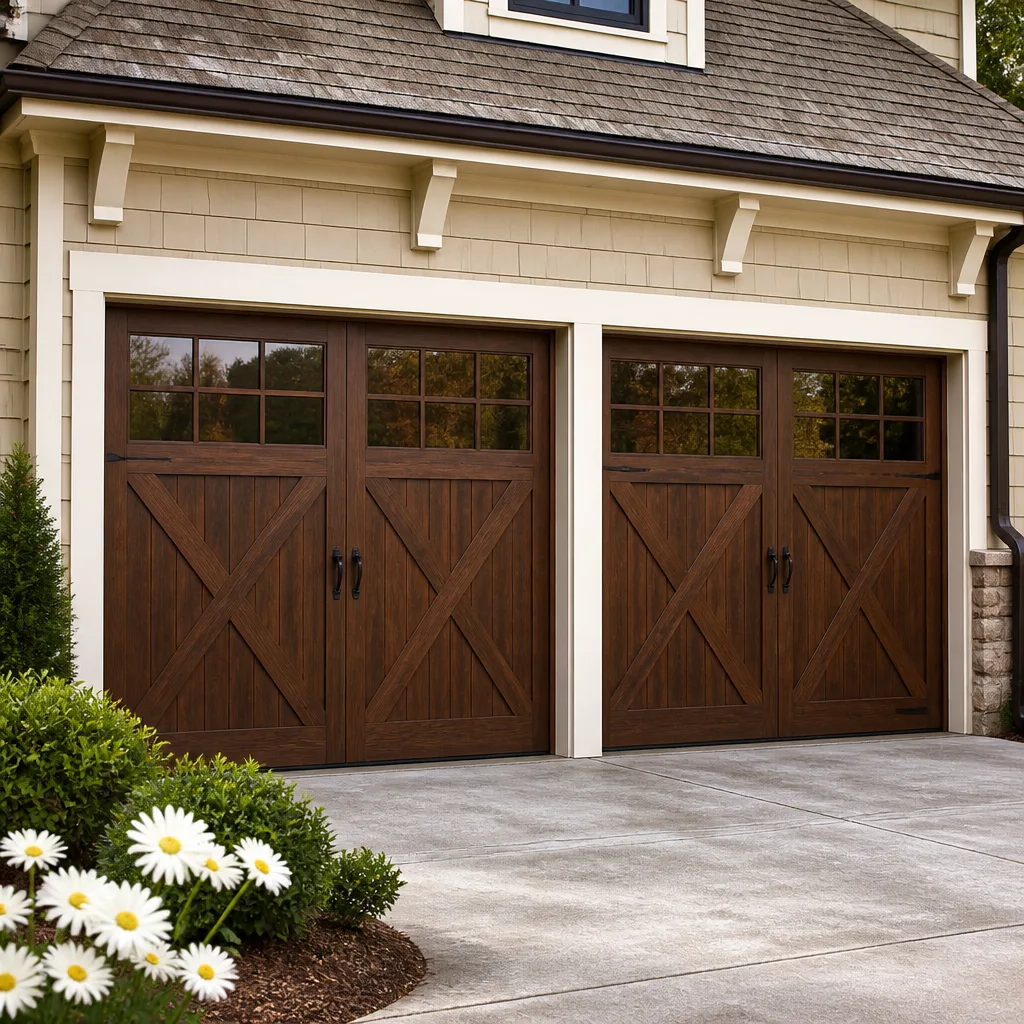 Carriage house
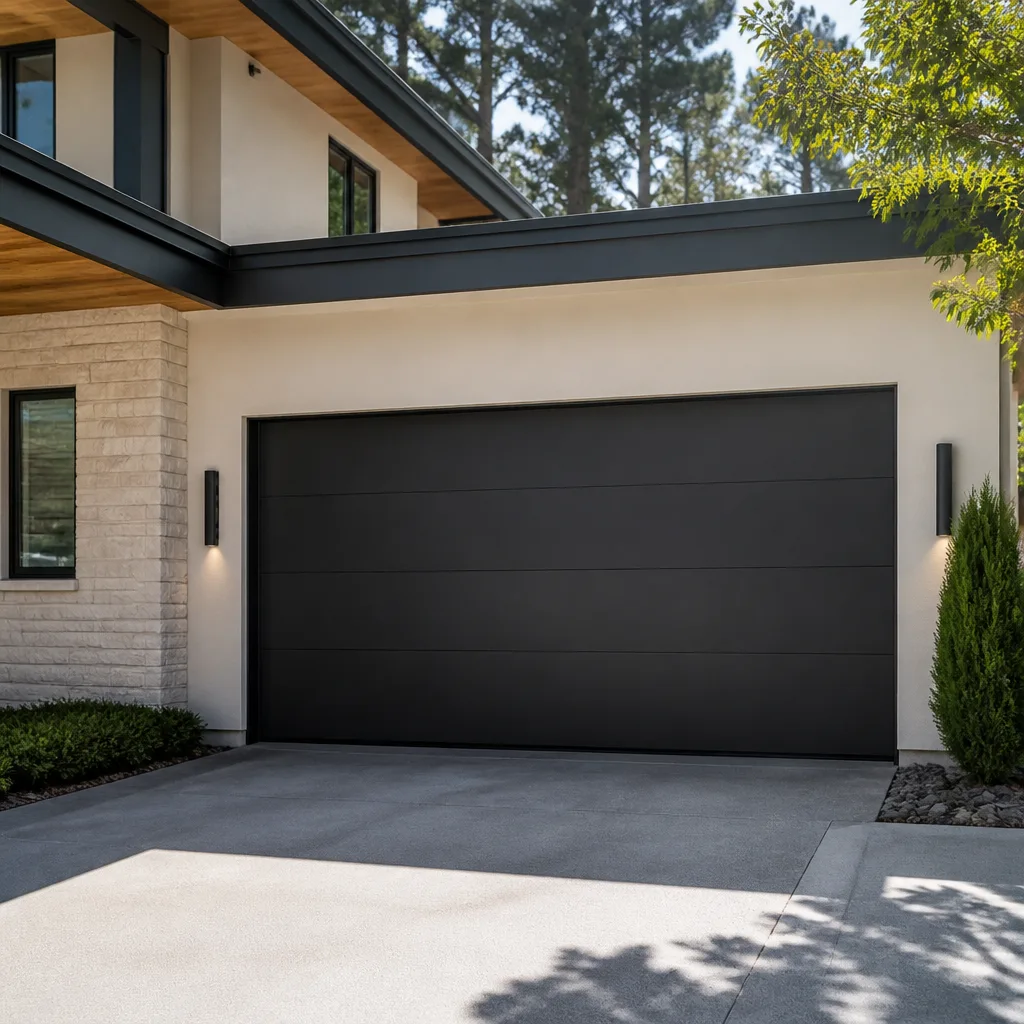 Modern flush
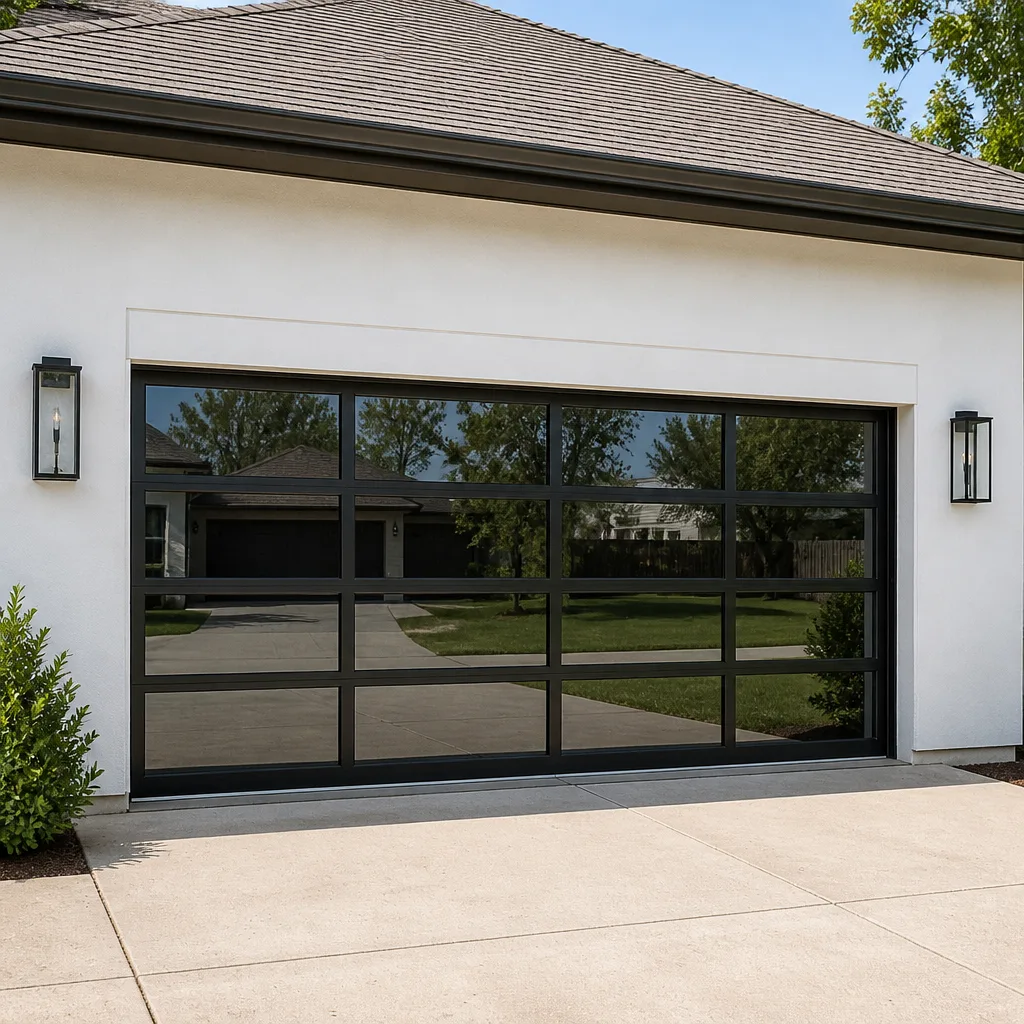 Full-view glass
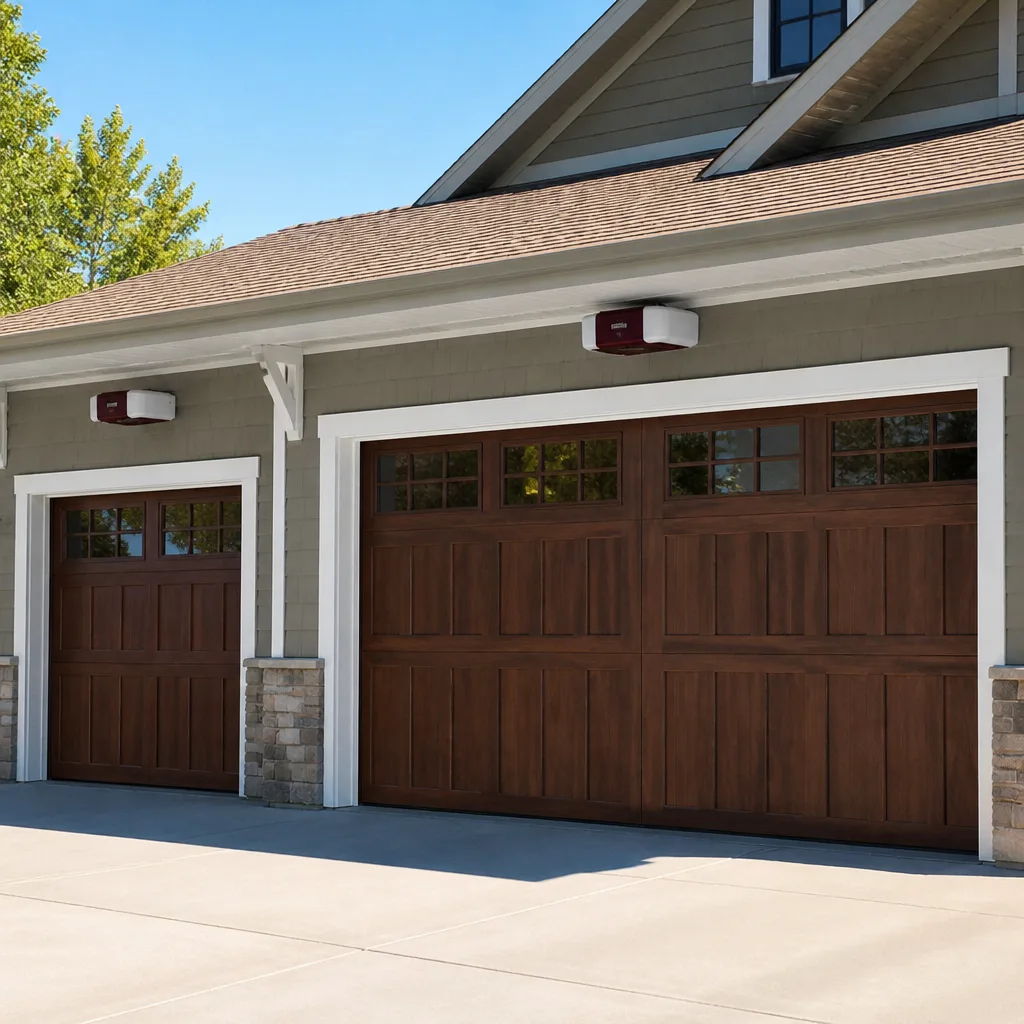 LiftMaster openers
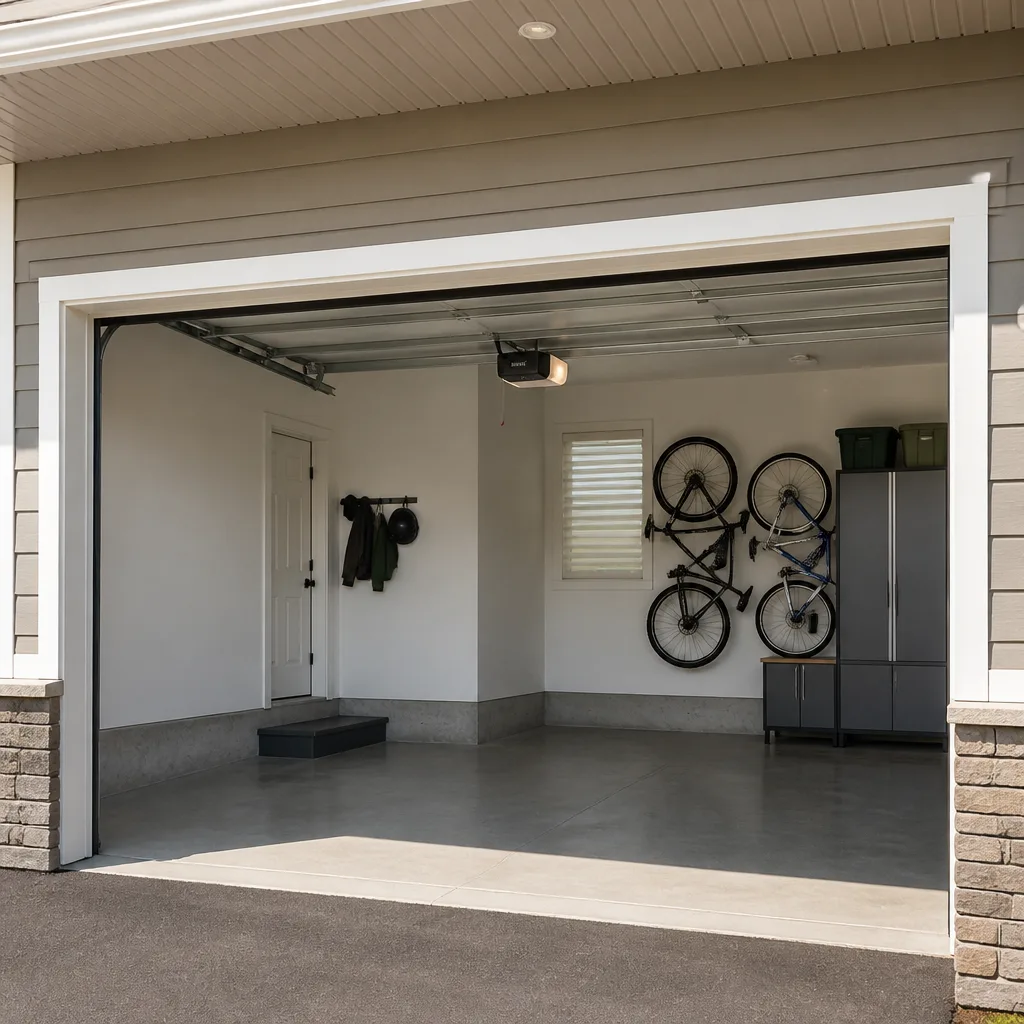 Chamberlain openers
Full 25-point door and opener safety check with every visit - springs, cables, rollers, tracks, and your LiftMaster or Chamberlain opener included
You get a price before we start. It does not change when the pro arrives.
Get your free estimateGarage Door Permits, Codes & Inspections in Sanford, FL: What You Need to Know
Most homeowners assume a garage door replacement only needs a permit if the opening gets bigger. In Sanford, that’s not how it works. The trigger isn’t the size of the job – it’s the wind-load rating of the door going into the opening, and whether that door carries the documentation Florida requires. A like-for-like swap in a Seminole County neighborhood can require a permit and an inspection even when the rough opening measures exactly the same as before. This guide walks through when a permit is required, what the two inspection visits actually check, how Florida Product Approval numbers work at the job site, and where HOA approval and code permits split into two separate processes. By the end you’ll know how to keep a door replacement clean on paper as well as on the tracks.
Quick Answer
In Sanford, replacing a garage door generally requires a permit when the door must meet Florida wind-load requirements, even if the opening size stays the same, while minor repairs to an existing door usually fall under the minor repair exemption in Section 105 of the Florida Building Code. The inspection verifies the installed door against its Florida Product Approval documentation and the permit drawings. If you’re unsure which side of the line your job sits on, ask the City of Sanford or Seminole County building department before ordering the door.
Styles & brands we work with
- Raised-panel steel
- Carriage house
- Modern flush
- Full-view glass
- LiftMaster openers
- Chamberlain openers
Table of Contents
- Does a garage door replacement need a permit in Sanford, FL?
- When a like-for-like replacement is and isn’t a permit job
- Florida Product Approval numbers and why the sticker matters
- What the rough-in and final inspections each check
- HOA approval vs. a code permit: two separate processes
- How an unpermitted door shows up at resale
- Repairs, openers and spring work that don’t need a permit
- How the permitting process usually runs, step by step
Does a garage door replacement need a permit in Sanford, FL?
In most cases, yes, if the door is being replaced with a door that must meet wind-load requirements for the structure. The permit exists to document that the product installed matches what the building code requires for that opening, and the inspection confirms it after the fact. The size of the opening is secondary to what the door is rated to do in wind.
Florida treats exterior door and window replacements seriously because they’re part of the building envelope. A garage door is a large, flexible, wind-facing surface, and a detached or deformed door can compromise the structure around it. That’s the logic behind the requirement, and it’s why a door swap that feels routine to a homeowner can still be a permit job to a building department.
Where the line sits depends on a few things:
- Replacement vs. repair. Swapping out the full door is treated differently from replacing a panel, a section, or hardware on an existing door.
- Wind-load requirements for the structure. A door must be rated for the design pressures that apply to that opening. That’s what the product approval documentation proves.
- Change of door type or material. Going from a sectional steel door to a different style or a different manufacturer’s product can raise questions that a straight swap doesn’t.
- Structural changes to the opening itself. Widening the opening, altering the header, or changing the framing is a separate construction scope with its own permit path.
Because the threshold depends on these details rather than on square footage or price, the safe habit in Sanford is to call the building department with the address and the door spec before the order goes in. A short phone call early saves a long one at closing.
When a like-for-like replacement is and isn’t a permit job
A like-for-like replacement means the new door goes into the same opening at the same size with the same general configuration. Even then, the job is usually a permit job if the replacement door must be wind-load rated and the department wants that rating documented. What changes the answer is the scope of the work, not the fact that the dimensions match.
On the repair side, the Florida Building Code’s minor repair provisions in Section 105 matter. Minor repair work on an existing structure generally doesn’t require a permit under those provisions, which is why things like spring replacement, track adjustment, hinge and roller replacement, and opener service don’t go through the building department. Those jobs don’t change the building envelope or the rated performance of the door in wind.
The table below is how we’d categorize the common jobs. It’s a general guide, not a ruling on your address – the building department makes that call.
- Full door replacement, same size, rated product: typically a permit with product approval documentation and a final inspection.
- Full door replacement after a storm or impact damage: typically a permit, and insurers often want the final inspection record.
- Section or panel replacement on an existing rated door: usually treated as repair, but if the assembly’s rated performance changes, ask first.
- Opener replacement or opener repair: no permit – it’s mechanical equipment, not the building envelope.
- Spring, cable, roller, hinge or track repair: no permit.
- Widening the opening or altering framing: a separate structural permit, handled alongside the door permit.
If your door is from one of the major lines – Clopay and Amarr are the two we see most often in Seminole County homes – the manufacturer’s documentation for the specific model carries the ratings the department wants. Our team handles garage door installation with that paperwork organized before we schedule, because a missing document is the most common reason a job stalls.
Florida Product Approval numbers and why the sticker matters
Florida Product Approval, usually shortened to FPA, is the state’s system for documenting that a building product meets the code requirements for its intended use. For garage doors, it’s how the door’s manufacturer demonstrates the wind-load performance the building department needs to see. The approval has a number, and that number should be findable in the state’s product approval database.
Here’s the part homeowners miss: the inspection often comes down to whether the installed door can be matched to its FPA documentation on the spot. Inspectors look for the product approval label or sticker on the door, or the manufacturer’s documentation that ties the door at that address to an approved product. If the sticker was peeled off, painted over, or never present, the inspection can fail even when the door itself is correct.
The lookup process is straightforward if you know what to gather:
- Get the manufacturer name, model number, and the wind-load rating (design pressure) from the specification sheet.
- Look up the product in the Florida Product Approval database using the manufacturer and model.
- Record the FPA number and keep a copy of the approval document with the permit paperwork.
- Confirm the label is on the installed door before the inspection – check the interior face and the frame, and note where it sits.
- Match the installed door’s label to the number on the approved document. If they don’t match, the inspection won’t clear.
This is one of the small, boring details that decides whether a garage door project in Sanford closes out in one visit or three. We check the approval documentation as part of the estimate stage so the number is confirmed before the door is ordered.
What the rough-in and final inspections each check
Most residential garage door replacements go through two inspection visits, and they check different things. The rough-in happens before or during installation and focuses on the opening and the supporting structure. The final happens once the door is fully installed and operating, and focuses on the product, its documentation, and whether the assembly works as intended.
Here’s roughly what each visit covers. The exact checklist follows your local department’s procedures, so treat this as a preparation guide.
Rough-in inspection
- The opening dimensions and the framing condition around it.
- Whether the header, jambs and attachment points are sound enough to carry the door’s loads.
- Any structural changes covered by the permit, in place and visible.
- Whether the planned door matches what’s on the permit application.
Final inspection
- The installed door’s identity – manufacturer, model, FPA number – against the approved documentation.
- The presence and readability of the product approval label.
- Correct anchoring and attachment at the tracks and header.
- Balance, travel and the operation of the door through its full cycle.
- Safety features working – the reversal system and photo-eye safety sensors on the opener.
- Weatherseal and the general closure of the opening.
An inspection is not a repair visit. If the inspector finds something, the fix happens afterward, and a re-inspection is scheduled. That’s why it’s worth a short pre-inspection walkthrough the day before – check the label, run the door, and make sure the path through the garage is clear for the inspector.
If your existing door isn’t running cleanly before a replacement, it’s often worth sorting the mechanical side first. That’s a garage door repair conversation, separate from the permit.
HOA approval vs. a code permit: two separate processes
A code permit and an HOA approval are separate, and one does not satisfy the other in most Sanford communities. The building department cares about wind-load ratings, structural attachment and the building envelope. Your HOA cares about appearance, color, style, panel pattern and sometimes the material. A door can be fully code-compliant and still be rejected by the architectural review committee, and a beautifully approved HOA door can fail inspection if it lacks the right product approval.
That means a Sanford homeowner replacing a door in a deed-restricted community is often running two tracks at once. Practical order of operations:
- Check your HOA’s architectural guidelines for approved styles, colors and materials before shopping.
- Pick a door that matches the HOA standard and carries documentation for the required wind-load rating.
- Submit the HOA architectural request with the product sheet and color sample.
- File the building permit with the same product documentation.
- Schedule installation once both the HOA approval and the permit are in hand.
Doing these in the wrong order is the single most common reason a door replacement gets delayed. If you buy a door first and then discover the HOA requires a different panel style, the product approval paperwork may be for the wrong product entirely.
How an unpermitted door shows up at resale
An unpermitted garage door replacement tends to surface during the buyer’s inspection phase, and it surfaces in more than one way. A four-point inspection – common on older Florida homes for insurance purposes – reviews the roof, electrical, plumbing and HVAC, but inspectors also document exterior door and opening conditions and note anything that appears newer than the rest of the structure without a matching permit record. A door that was replaced without a permit can appear on the report as an open item.
Two things then happen. The buyer’s agent asks for documentation that may not exist, and the insurance side may ask about the door’s wind rating if it was replaced with an impact-rated or code-required product and no verification record exists. That second part is where a homeowner can get stuck, because the insurance company’s question isn’t just “is there a permit” – it’s “can you show the door is the rated product for that opening?” Without the inspection record and the FPA documentation, that can be hard to prove.
Resolving it retroactively usually means applying for the permit after the fact, having the installed door inspected for conformity, and paying the department’s fees plus whatever it takes to bring the installation to current standards. If the installed door lacks the required product approval for the opening, it may need to be replaced outright – which is the expensive outcome. Compared with filing the permit up front, the retroactive path is more work and more time at the worst possible moment in a sale.
When we look at a home’s existing garage door setup during a repair call, we can tell fairly quickly whether the door on the tracks has current-looking product approval documentation. If it doesn’t, we recommend pulling the permit history before the homeowner makes any plans.
Repairs, openers and spring work that don’t need a permit
Most of what a garage door company does day to day is repair work, and repair work generally doesn’t go through the building department. Springs, cables, rollers, hinges, tracks, drums, openers and safety sensors are all service items on a door that already exists. They don’t alter the building envelope or the door’s rated performance.
What falls into that category:
- Spring replacement and cable replacement.
- Roller, hinge and bracket replacement.
- Track straightening and re-alignment.
- Opener replacement, opener repair and remote or keypad programming.
- Weatherseal, bottom seal and trim replacement.
- Panel replacement where the replacement panel matches the existing rated assembly.
Two cautions come with this, and both are about safety rather than paperwork. First, garage door springs are under extreme tension, and spring work is the part of the trade where a DIY approach is most likely to end in a serious injury. This is not a homeowner project – the tools alone are specialized and the stored energy is enormous. Second, if a repair would change the door’s rated performance – for example, replacing a whole assembly with a different product – the permit question comes back into play.
Opener work is a separate matter of its own. The opener is mechanical equipment and doesn’t require a permit, but it does have to be correct for the door and installed safely. Our team handles garage door opener repair across the major brands – LiftMaster, Genie, Chamberlain and Craftsman among them – with a free estimate before any work starts.
How the permitting process usually runs, step by step
The permitting sequence for a garage door replacement in Sanford is fairly predictable, and knowing it in advance makes the schedule easier to plan. The door has to be ordered and manufactured before the final inspection can happen, so the two timelines overlap. Here’s how it typically runs:
- Confirm the requirement. Call the City of Sanford or Seminole County building department with the address and the door spec, and confirm which jurisdiction issues the permit.
- Select the door with documentation. Confirm the manufacturer, model and FPA number before ordering.
- Clear the HOA if applicable. Submit the architectural request with the product sheet, and get written approval.
- Submit the permit application. Include the product documentation and any structural details if the opening is changing.
- Schedule the rough-in inspection. This happens around the time the opening is prepped and the installation begins.
- Install the door. Anchoring, balance, travel and safety features are checked at this stage.
- Schedule the final inspection. Have the product approval label, the documentation and clear access ready.
- Keep the records. File the signed-off permit and the inspection report with your home paperwork for resale.
The most avoidable delays happen at steps 2, 3 and 7 – a missing FPA number, HOA approval not yet granted, or a product label that can’t be found at inspection. Each one pushes the schedule by days, and the fix is usually just a little earlier attention.
Common Mistakes to Avoid
- Assuming the size of the opening is the permit trigger. The trigger is the wind-load rating and the product documentation, not the dimensions. A same-size swap can still be a permit job in Sanford.
- Ordering the door before the permit is filed. If the permit review requires a different product approval, an already-ordered door is a problem to undo.
- Treating the HOA approval as the permit. They’re separate. A cleared architectural request does not close out the building department.
- Losing the product approval label. Peeling the sticker off during installation, or painting over it, is a simple route to a failed inspection.
- Skipping the permit on a storm replacement. Storm damage is when documentation matters most to insurers, and an unpermitted replacement complicates the insurance side.
- Patching in a panel with a different rating than the rest of the door. A mixed assembly can leave the door’s rated performance unclear, and inspectors notice.
- Filing the paperwork somewhere it won’t be found. Keep the signed-off permit with the closing documents. It’s the first thing a buyer’s inspector will ask for.
See the difference
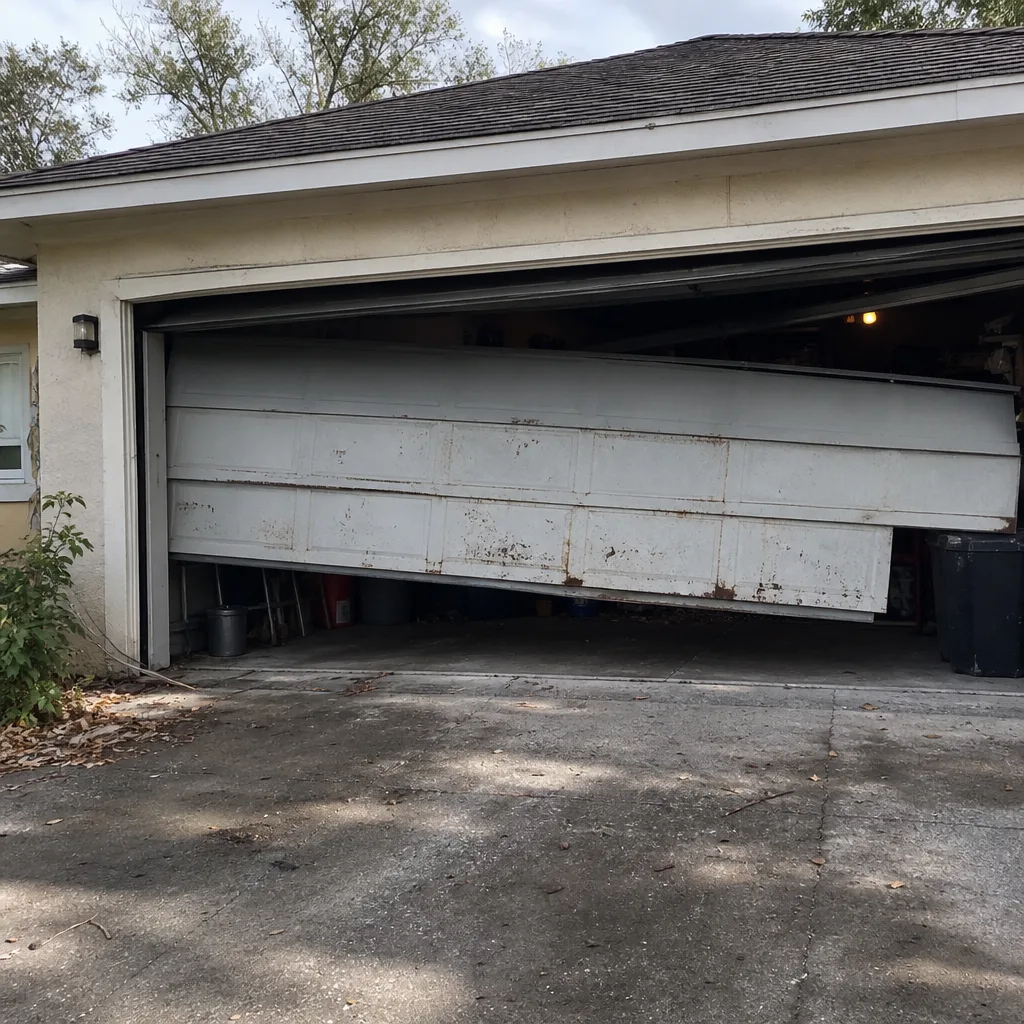 Before
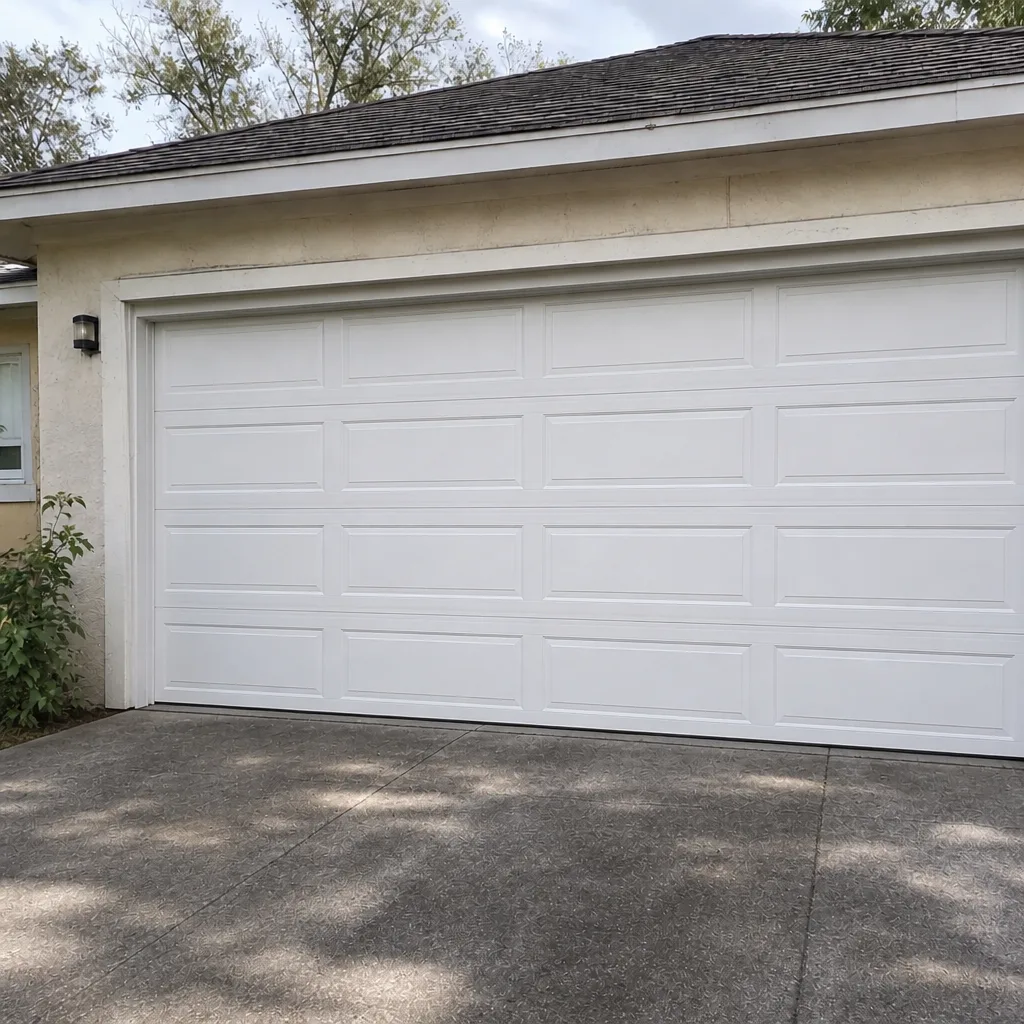 After
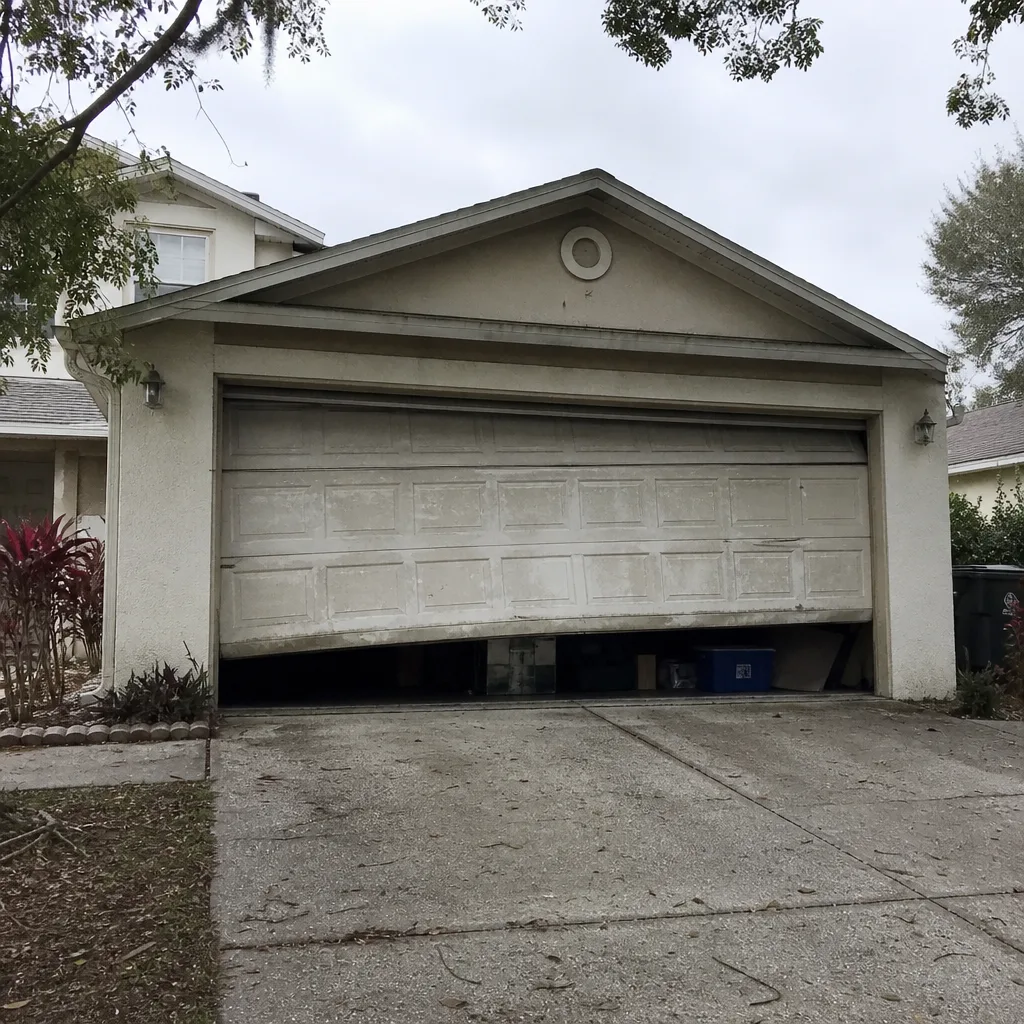 Before
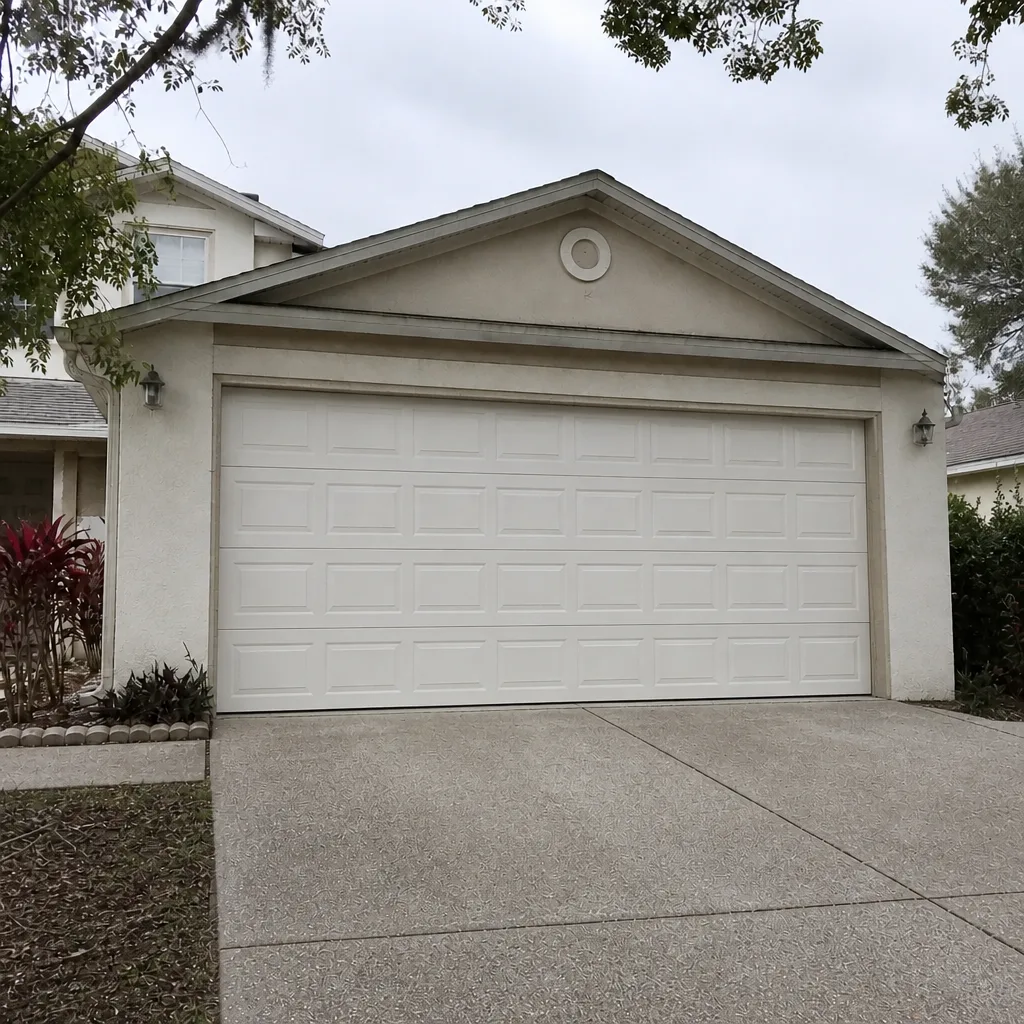 After
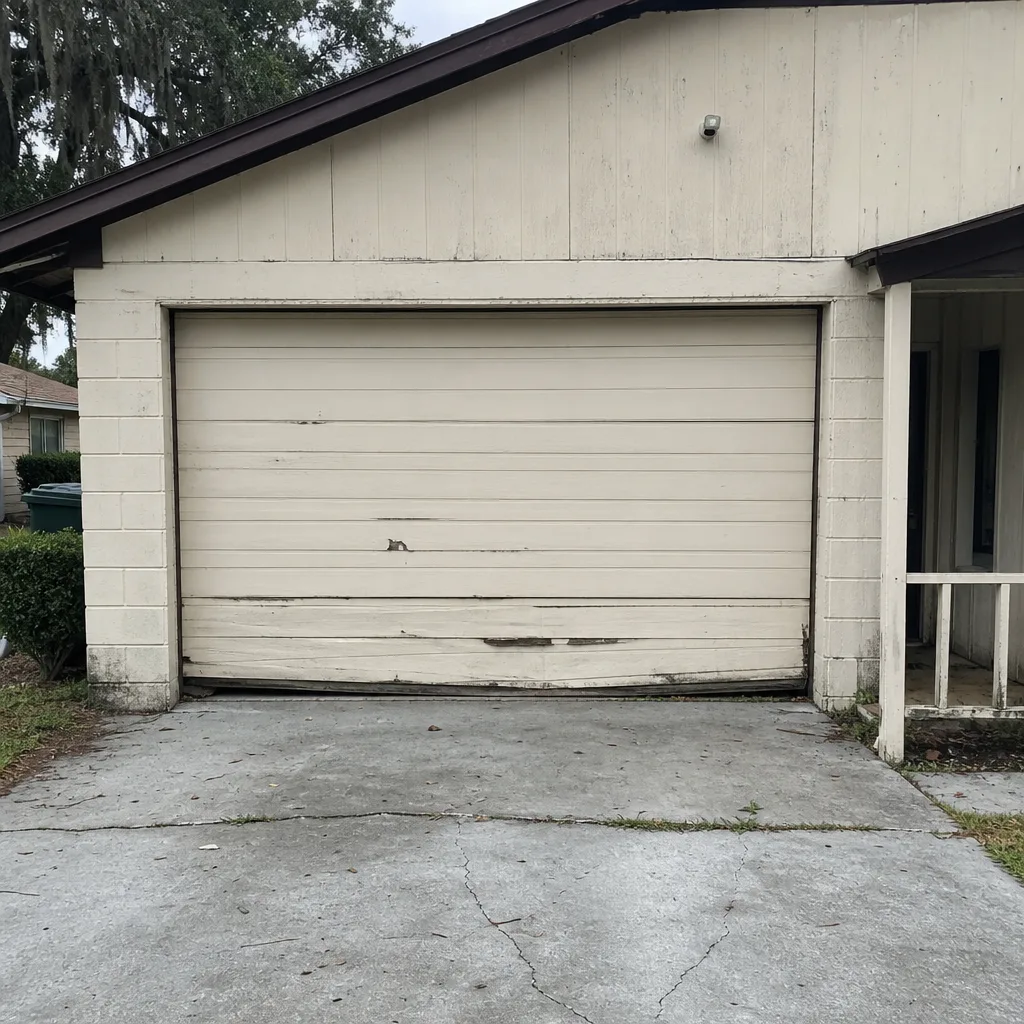 Before
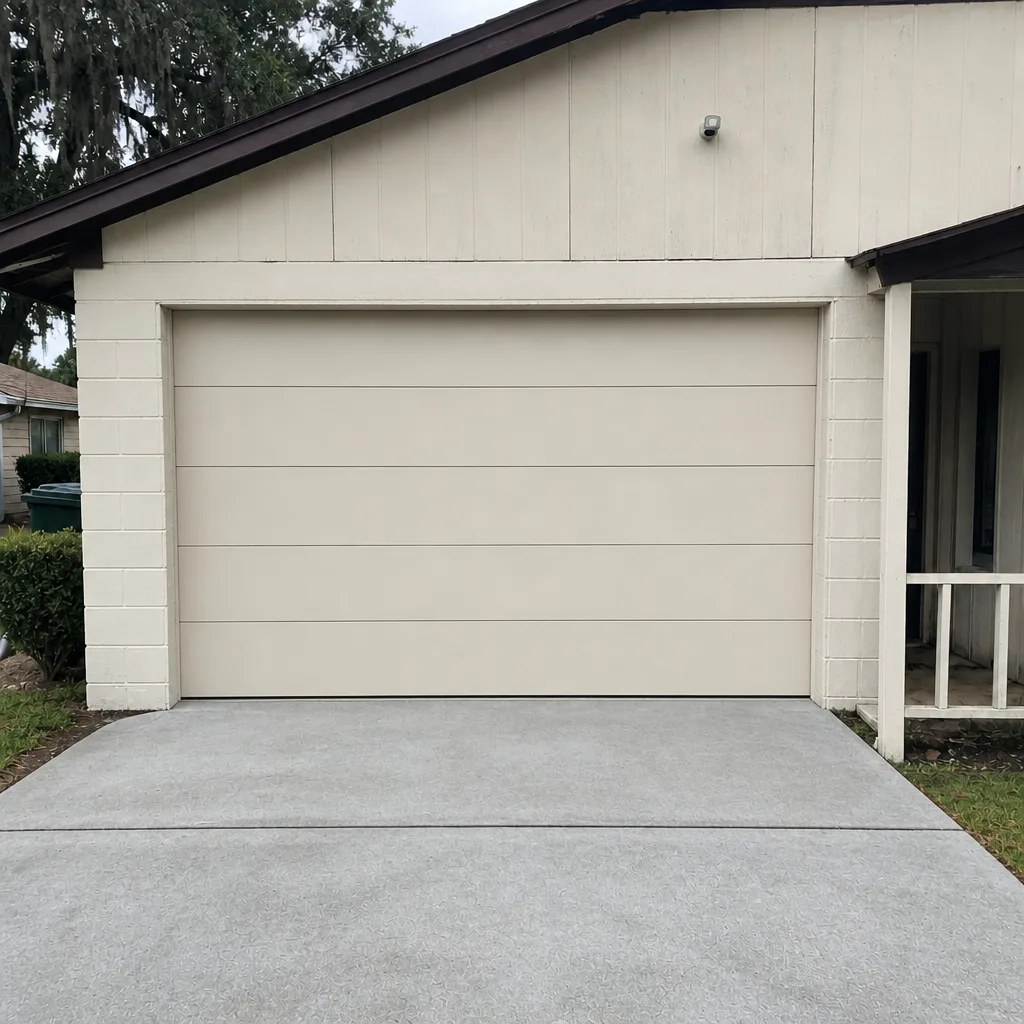 After
When to Call a Professional
A permit question is usually the right moment to bring in a specialist, because the answer depends on the door spec, not just the opening. Call us when you’re planning a full door replacement in Sanford and want the FPA documentation and permit preparation handled together; when your insurer is asking for door documentation you don’t have; when you’re preparing a home for sale and the garage door paperwork is unclear; or when a door needs to be replaced after storm damage and the insurance record matters. We also handle the jobs where the permit isn’t in question at all – spring repair, opener replacement, and the emergency calls when a door won’t open or close. Sanford Garage Door Repair Co offers free estimates in Sanford – call (855) 658-4309. We answer 24/7. Fast dispatch from 7am to 7pm, Sunday through Friday. Our technicians have up to 14 years of experience, and we work on eight major brands including Clopay, Amarr, Wayne Dalton and Genie.
Frequently Asked Questions
In most cases, yes, if the door must meet wind-load requirements for the structure. The permit documents that the installed product matches the code requirement for that opening. Call the City of Sanford or Seminole County building department with your address and door spec to confirm before ordering – and call (855) 658-4309 if you want help pulling the documentation together. Estimates are free.
The FPA number is the state’s identifier for a product that’s been approved for its intended use, including wind-load performance for garage doors. The inspector verifies that the door installed at your address matches an approved product. Without the label or matching documentation, the inspection fails even if the door itself is correct. If you’re unsure whether your door’s paperwork is current, call (855) 658-4309 and we’ll walk through what to look for.
No. Spring, cable, roller, track and opener repairs fall under minor repair work and don’t go through the building department. Spring replacement is still a job for a trained professional because the springs are under extreme tension, and a mistake can cause serious injury. Call (855) 658-4309 for a free estimate on spring or opener work.
No. HOA approval and a building permit are separate processes and one doesn’t substitute for the other in most Sanford communities. The HOA reviews appearance, color and material, while the permit covers wind-load rating and installation. Doing both early keeps the schedule clean. Call (855) 658-4309 if you want the product documentation ready for both submissions.
The rough-in inspection checks the opening, the framing and whether the planned door matches the permit; the final inspection checks the installed door, its product approval label and its operation. Preparation for the final is mostly about documentation and clear access. Call (855) 658-4309 with your address and we’ll tell you what our team checks before the visit.
Yes, usually through a retroactive permit and inspection, though the cost and timeline depend on whether the installed door matches the required product approval for that opening. If the door itself isn’t the right rated product, it may have to be replaced. The earlier that gets sorted, the less it affects a sale or an insurance claim. Call (855) 658-4309 for a free estimate on bringing the job into compliance.
The Bottom Line
The permit question in Sanford comes down to wind-load documentation, not door size. A full replacement is typically a permit job with a rough-in and final inspection; a spring, opener or hardware repair usually isn’t. The product approval number and its label on the installed door are what the inspection actually checks, so treating them as part of the job from the estimate stage saves a lot of trouble. Get the HOA approval and the permit on separate tracks, file the signed-off record with your closing documents, and the door will hold up on the tracks and on paper. Sanford Garage Door Repair Co handles repair, spring work, opener service, installation and emergency calls – and we can prepare the product documentation alongside the estimate. Call (855) 658-4309 for a free estimate. We answer 24/7. Fast dispatch from 7am to 7pm, Sunday through Friday.
Written by the team at Sanford Garage Door Repair Co.